
Predictive Logistics: Mastering Smart Marina Management
Managing a modern waterfront is an exercise in complex, multi-dimensional puzzle-solving. Every day, a marina operator must balance physical space constraints, unpredictable weather patterns, varying vessel dimensions, power requirements, and fluctuating boater demands. Traditionally, these variables were managed with visual whiteboards, physical logbooks, or siloed reservation systems. However, as the global boating population grows and vessels become larger and more technically advanced, the margin for operational error has shrunk to near zero.
For forward-thinking harbour managers, yacht clubs, and private dock owners, adopting smart marina management is no longer a luxury—it is a baseline requirement for maintaining safety, optimizing space, and ensuring long-term financial viability. By moving beyond static, reactive scheduling to a unified, data-driven ecosystem, operators can dramatically maximize their marina revenue while offering boaters a frictionless, self-service experience.
The Modern Slip Allocation Challenge
The central operational bottleneck of any busy waterfront lies in slip allocation. Unlike hotel rooms, which feature uniform square footage and predictable amenities, marina berths are highly variable. A single slip must be meticulously matched to a vessel's length overall (LOA), beam, draft, air draft, and specific shore power requirements—ranging from standard 30-amp shore power to complex three-phase industrial configurations. Assigning a deep-draft sailing yacht to a shallow inner slip, or a wide catamaran to a narrow finger pier, can result in physical damage, blocked channels, or disgruntled clients.
When dynamic variables like wind velocity, tidal swings, and mechanical breakdowns are introduced, the operational complexity multiplies. For instance, an unexpected draft restriction during extreme low tides can suddenly render several slips unusable for deep-keeled vessels. If a marina operator relies on static spreadsheets, they will inevitably underutilize their linear dock space. This lack of real-time visibility directly depresses marina occupancy and leaves significant capital on the table. When prime slips sit empty due to poor visibility or rigid booking policies, the entire waterfront’s yield drops. Overcoming this friction requires a fundamental shift in how we visualize, track, and allocate physical space.
Overcoming Traditional Operational Bottlenecks with Smart Marina Management
To solve these spatial puzzles, modern operators are turning to integrated technology. Implementing smart marina management allows digital platforms to analyze incoming vessel dimensions instantly and cross-reference them with active dock maps, physical depth profiles, and electrical pedestal capacities. Instead of a Dock Master spending hours manually plotting weekend arrivals on a dry-erase board, the system calculates the optimal configuration automatically. This automated matchmaking ensures that wider catamarans are assigned to T-heads or wider slips, while narrower vessels are packed efficiently into standard finger slips, maximizing total linear footage utilization.
Let us look at how operational methodologies compare across different management eras to understand the scale of this digital transformation:
- Berth Allocation Logic: Legacy systems rely on fully manual pen-and-paper logs or basic spreadsheets, which are highly prone to human error and spatial mismatches. Standard software provides database-driven logs but still requires manual matching of dimensions. Next-generation smart systems feature automated, multi-variable spatial optimization with real-time graphical mapping.
- Waitlist Handling: Traditional methods require manual phone trees and handwritten notebooks, causing high drop-out rates. Standard software provides a basic chronological list requiring manual notification. Next-generation systems employ an automated waitlist that instantly sends booking offers to matching vessels via mobile notifications when a vacancy occurs.
- Revenue and Occupancy Tracking: Legacy approaches rely on delayed monthly reports and reactive pricing. Standard software tracks basic occupancy but relies on static rate structures. Smart systems deliver real-time marina analytics, dynamic yield optimization, and predictive rates based on real-time demand signals.
- Network Integration: Legacy and standard platforms isolate the facility from local private listings or regional networks. Smart systems connect the facility to a global marina network with shared marketplace access, allowing seamless referrals and overflow support.
Synchronizing the Waterfront Ecosystem
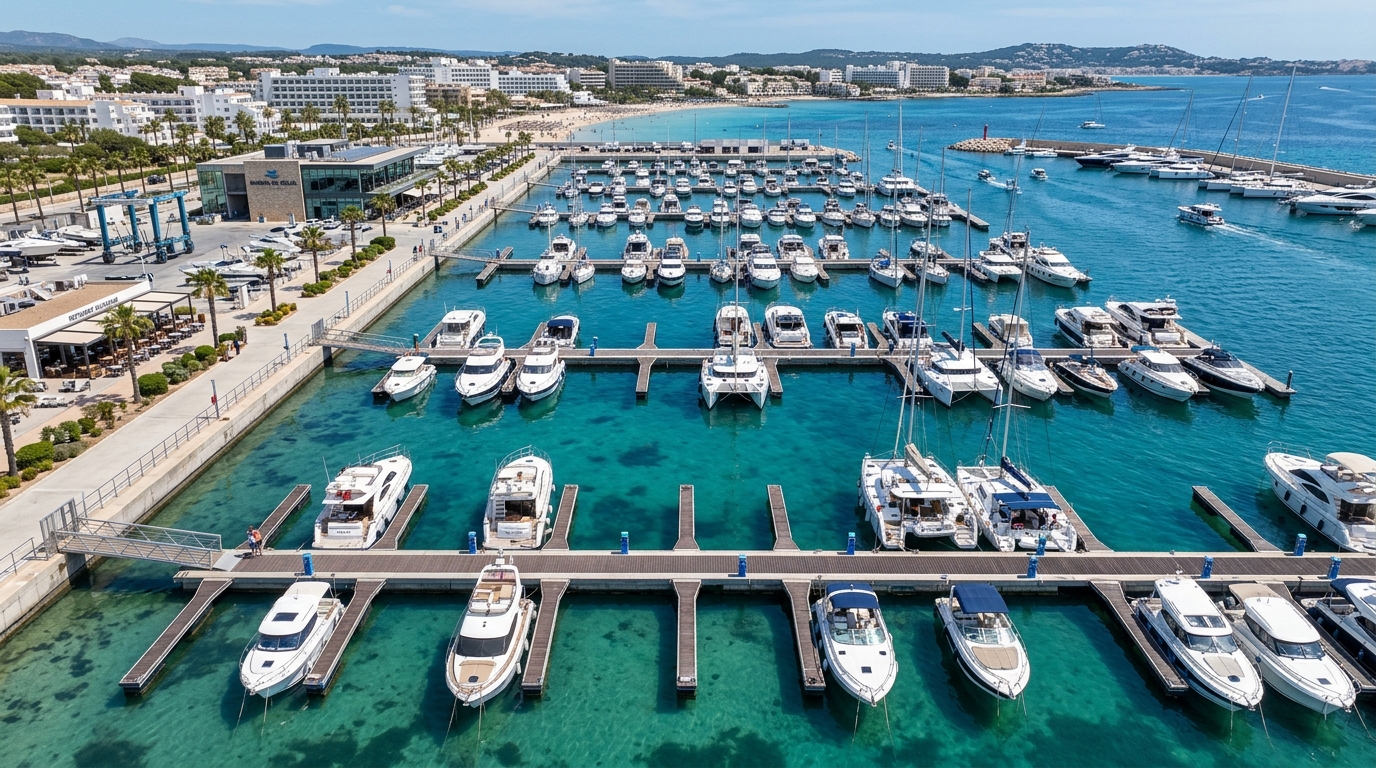
A truly digital marina integrates every physical asset and administrative workflow into a single, cohesive interface. This synchronization begins the moment a boater initiates an online marina booking. When a reservation is made, the platform shouldn't just record a transaction; it must trigger a seamless sequence of automated actions. The Dock Master’s dashboard updates in real time, the shore power pedestal at the assigned slip is pre-authorized, and the automated billing cycle is queued securely through Stripe.
Furthermore, this digital integration must extend to alternative storage options. For facilities operating a dry storage marina, coordination between wet slips and dry stacks is notoriously difficult. On busy summer weekends, haul-out and launch queues can create severe congestion at staging docks. Smart systems orchestrate these movements by aligning launch requests made via a Boater Dashboard with physical slip availability at the staging pier, minimizing wait times, dockhand stress, and vessel fuel waste.
If a seasonal tenant departs early for a multi-week cruise, the system instantly identifies the temporary vacancy. Rather than letting the berth sit empty, the platform flags the slip as available for transient use, automatically pulling from the automated waitlist to secure a short-term booking. This active optimization turns potential dead-time into active, high-margin revenue, proving that integrated software is an active operational partner rather than a passive ledger.
Empowering Private Assets and the Shared Marine Network
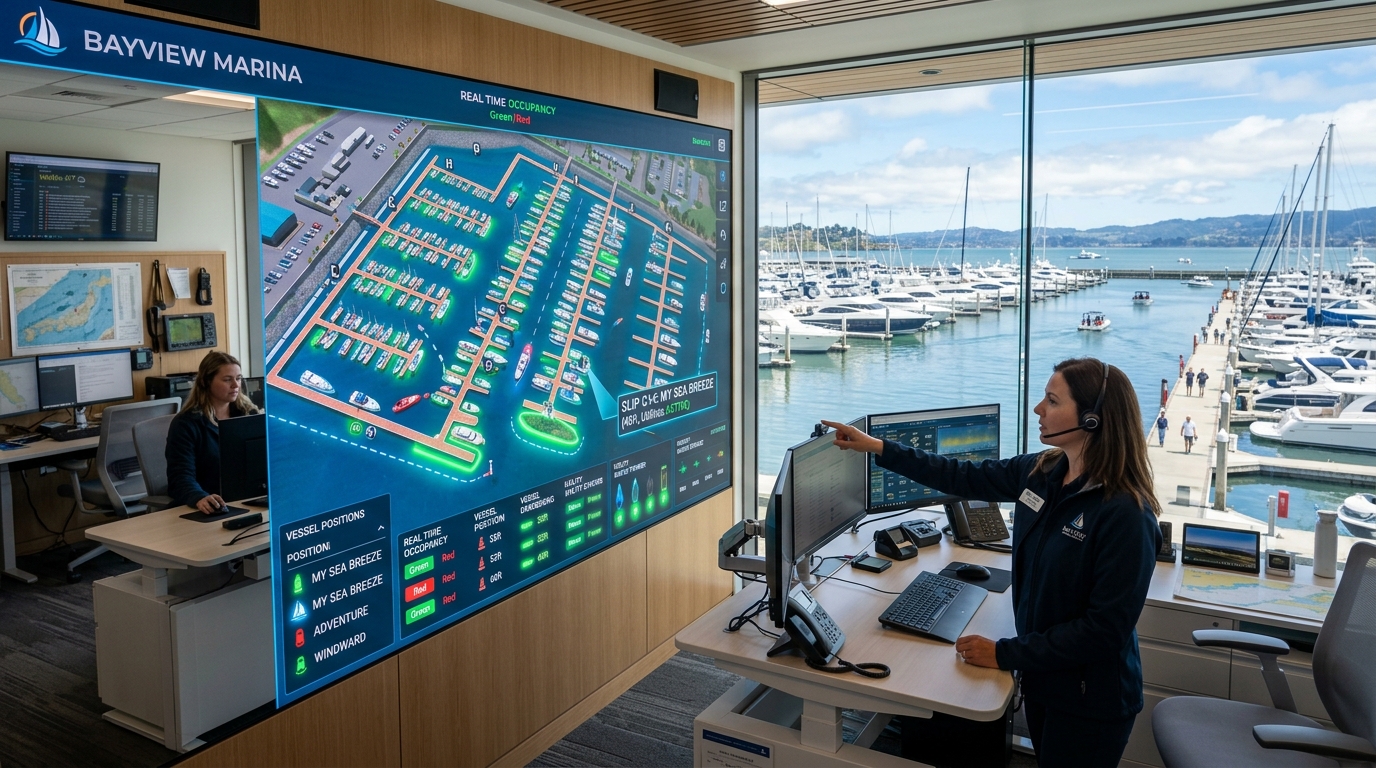
The evolution of the waterfront is not limited to commercial basins. The modern marine ecosystem recognizes that valuable berthing infrastructure exists outside traditional marina walls. Waterfront properties with a private dock rental, private jetty, or mooring represent an enormous, underutilized source of supply in high-demand waterways. Historically, finding and booking these private slips was a fragmented, word-of-mouth process fraught with liability, communication barriers, and security concerns.
By integrating these assets into a global marina network, platforms like Marina Match bridge the gap between commercial operators, private owners, and transient boaters. For a private jetty owner, listing a berth for rent or sale through a secure marketplace provides immediate access to a global audience of verified boaters. For commercial marinas, having a network of nearby private berths acts as an invaluable overflow system during peak events, fishing tournaments, or severe weather systems, ensuring that no boater is left without a safe harbor.
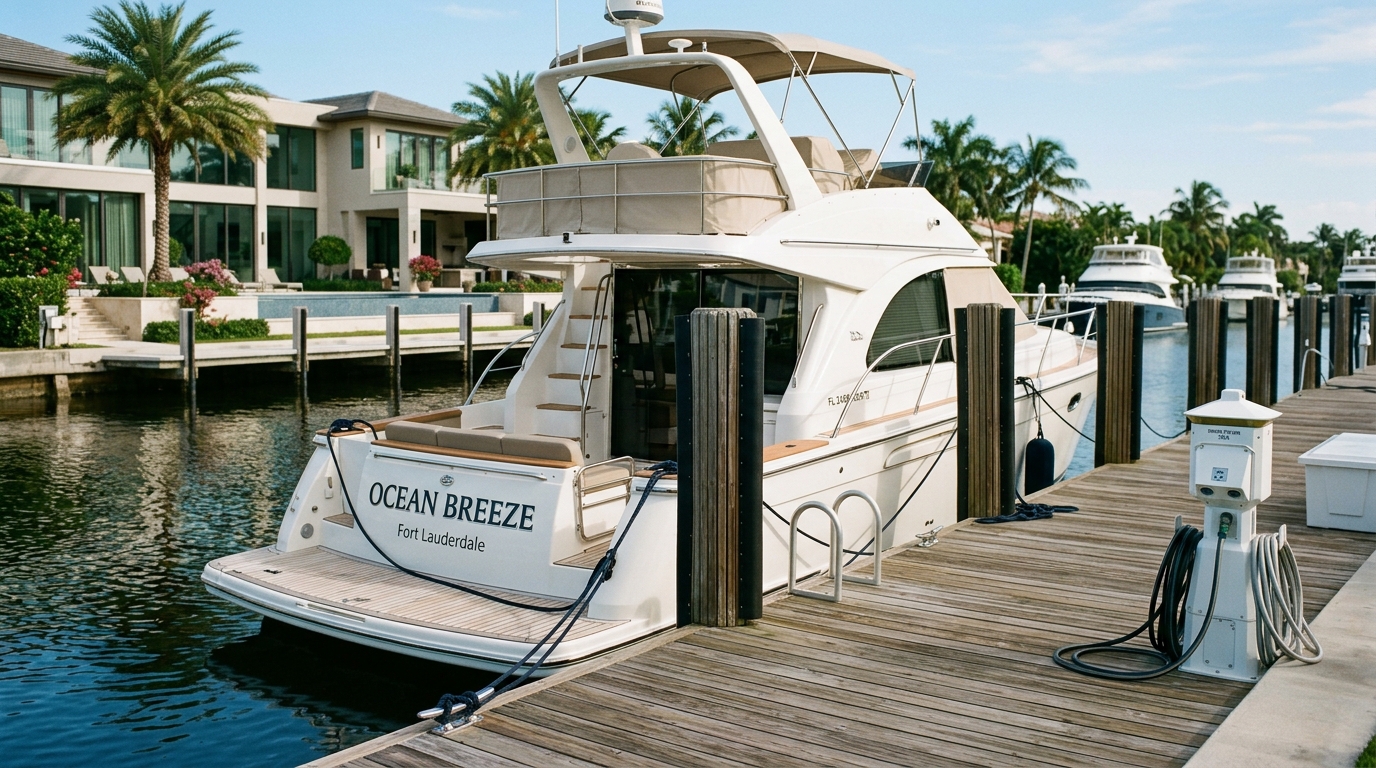
This democratization of berths creates a more resilient marine infrastructure. It allows boaters to view live availability across both commercial slips and private docks on a single, intuitive Marina Map View, dramatically simplifying coastal trip planning and fostering a highly connected marine community.
Operational Best Practices for Transitioning to an Automated Waterfront
Migrating a waterfront facility to a digital, automated model can seem daunting to experienced harbor teams comfortable with established routines. However, the transition can be managed smoothly by focusing on three core operational pillars:
- Perform a Rigorous Physical Dock Audit: Before implementing any software, perform a comprehensive physical audit of your docks. Measure exact slip widths, depths at mean lower low water (MLLW), and verify the exact amperage and physical condition of every electrical pedestal. Accurate baseline data is critical for automated allocation algorithms to perform safely and reliably.
- Onboard Staff in Phased Waves: Introduce automation in phases rather than all at once. Start by migrating your reservation flow to online booking, then introduce automated slip allocation, and finally layer on advanced analytics and IoT integrations. Ensure that Dock Masters and dockhands are trained on mobile interfaces so they can update vessel statuses directly from the finger piers.
- Educate and Empower Your Boaters: Show your seasonal and transient boaters how to use their digital dashboards. Demonstrate how they can submit launch requests, update their vessel insurance documents, and pay invoices instantly. When boaters experience the convenience of self-service, administrative friction drops precipitously, allowing your team to focus on hands-on customer service on the docks.
Frequently Asked Questions
What is smart marina management?
Smart marina management is the practice of using integrated digital tools, real-time data, and automated systems to optimize the operation of a waterfront facility. This includes automated slip allocation, live tracking of berth availability, digital booking systems, and predictive maintenance schedules.
How does AI improve slip allocation in a busy marina?
AI and advanced algorithms analyze multiple variables simultaneously—including vessel length, beam, draft, electrical needs, weather forecasts, and historical occupancy patterns. This allows the system to instantly calculate the safest and most space-efficient arrangement of vessels, eliminating manual errors and maximizing dock utilization.
Can private dock owners list their slips on commercial marina networks?
Yes. Platforms like Marina Match allow private jetty and dock owners to list their berths for rent or sale. These listings are integrated into the wider marine network, making them visible to boaters searching for safe moorings alongside commercial options.
What are the benefits of integrating dry storage with wet slip management?
Integrating dry storage with wet slips under a single management system ensures seamless coordination of boat launches and recoveries. It prevents staging dock congestion, reduces labor friction for forklift operators, and provides a unified billing and reservation experience for the boater.
How do automated waitlists help marina operators?
Automated waitlists eliminate the manual task of calling boaters when a slip becomes available. The system instantly detects a vacancy, identifies the next matching vessel on the waitlist based on size and utility requirements, and sends an automated booking offer, securing revenue without administrative delay.
Is it secure to process global bookings and payments online?
Yes, modern smart marina platforms use secure, industry-standard payment gateways like Stripe. This ensures that all transactions, credit card data, and personal information are fully encrypted, protecting both the marina operator and the boater from fraud.
The Future of Connected Waterfront Logistics
The future of waterfront management lies in connectivity, intelligence, and seamless spatial optimization. As the global demand for berth space continues to rise, relying on fragmented, manual systems is a recipe for operational bottlenecks, stressed-out staff, and lost revenue. By embracing smart marina management, operators can transition from reactive scheduling to proactive, predictive logistics that scale effortlessly.
Whether you manage a premier commercial yacht club, a bustling dry storage marina, or own a single private jetty, the key to unlocking your asset's true potential is visibility. Marina Match is building the infrastructure for this connected global marine network, uniting dock masters, private owners, and boaters in a single, highly efficient ecosystem. By integrating advanced analytics, secure automated payments, and real-time mapping, we are helping the marine industry set sail into a digital future.
Ready to see how smart technology can transform your waterfront? Explore the Marina Match platform today and take the first step toward a more profitable, automated, and stress-free marina operations model.
Recent Blogs
September 5, 2026
AI Dock Management: Shaping the Modern Marine Ecosystem
September 3, 2026
Predictive Logistics: Mastering Smart Marina Management
September 1, 2026
Maximising Waterfront Yields: A Guide to Managing Every Berth for Rent
August 30, 2026
Smart Docking: The Future of Modern Berth Management
August 28, 2026
Scaling Waterfronts with Smart Marina Software