Crafting Effective Berth Listings: Utility Billing, Power Specs and Sale Agreements
Essential Physical Specifications for Dock Listings
When presenting a wet berth to prospective tenants or buyers, clarity around physical dimensions is paramount. Knowing exact vessel fitments prevents costly docking mishaps and eliminates mismatched booking inquiries. Knowing what to include in a berth rental listing begins with four non-negotiable physical dimensions: Length Overall (LOA), maximum beam, draft allowance at Lowest Astronomical Tide (LAT), and fairway turning clearance.
Vessel Capacity and Clearance Limits
Listings must explicitly define the maximum vessel dimensions rather than just the physical length of the pontoon finger. A 15-metre berth might safely accommodate a vessel with a 14-metre LOA including bow sprits, swim platforms, and tender davits. Clearly stating these thresholds prevents disputes during arrival and ensures compliance with harbor safety regulations.
Transparent Utility Billing and Metering
Utility pricing is one of the most frequent friction points between berth holders and facility operators. Clear disclosure of marina electricity charges builds immediate trust and reduces administrative overhead. Boat owners need to know whether power is included in the base rate, charged at a flat daily rate, or metered per kilowatt-hour (kWh).
Structuring Utility Tariffs for Single and Three-Phase Power
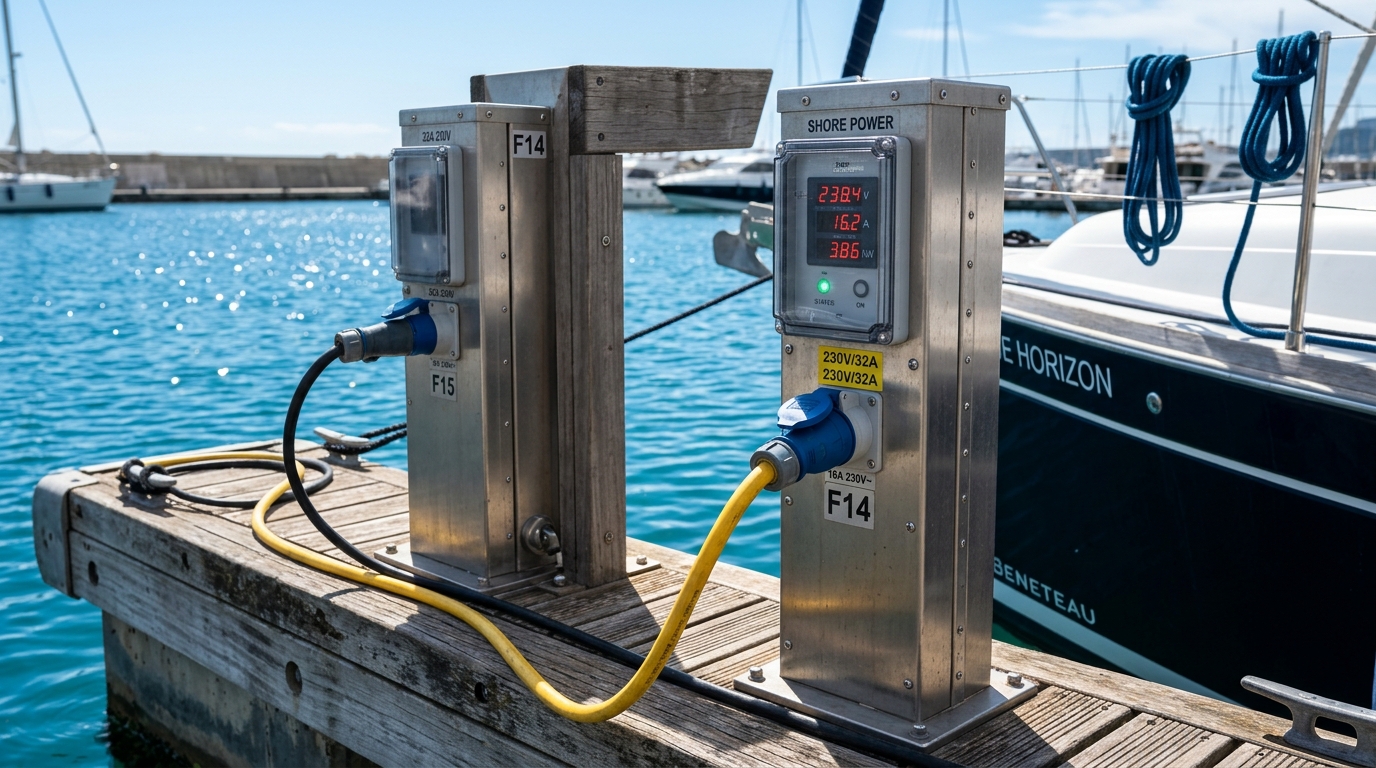
Modern vessels demand substantial shore power, ranging from standard 15-amp single-phase connections to 32-amp or 63-amp three-phase setups. Highlighting available pedestal outlets, current per-kWh tariffs, and potential supply connection fees ensures skipper expectations align with dock capabilities before tying up.
Distinguishing Leaseholds and Inventory Types
Understanding whether a listing represents a short-term license, a long-term commercial lease, or a berth for sale dictates the depth of financial and legal detail required. While short-term rentals focus on daily or monthly rates, long-term options and ownership transfers require transparency regarding body corporate fees, council rates, and lease expiry dates.
Key Differences in Listing Requirements
When advertising a berth for sale, buyers evaluate yield, remaining lease duration, and sub-letting rights. Conversely, a rental listing prioritises immediate availability, security deposit terms, and vessel insurance minimums. Providing structured documentation upfront accelerates transaction timelines for both models.
Step-by-Step Listing Optimisation Framework
To maximize inquiry rates and streamline onboarding, operators and private owners should audit their listings against a standard operational framework. The checklist below outlines essential listing components across short-term rentals and berth sales.
- Dimension Verification: Record LAT draft, maximum beam, and LOA caps including overhangs.
- Power Infrastructure: Specify single-phase vs three-phase capacity, pedestal type, and metering protocol.
- Access & Facilities: Note gate code protocols, slipway access, fuel dock proximity, and fresh water points.
- Legal & Financial Terms: Detail security deposits, cancellation terms, or body corporate levies.
Frequently Asked Questions
What are the most critical details to include in a berth rental listing?
A comprehensive listing must specify maximum LOA, draft at low tide, maximum beam, shore power amperage, fresh water access, security arrangements, and detailed pricing including any variable utility fees.
How are marina electricity charges typically billed to boaters?
Electricity is typically billed either as a fixed daily utility fee for short-term stays or through smart sub-meters calculated on actual kilowatt-hour consumption for monthly and long-term tenants.
What documentation is required when offering a berth for sale?
A sale listing requires clear details on leasehold duration, unexpired lease terms, annual outgoings, body corporate bylaws, subletting rights, and transfer fee structures.
Next Step: Optimise Your Berth Allocation
Whether you manage a commercial marina network or own a private waterfront pontoon, presenting accurate listing data ensures high occupancy and seamless bookings. Explore how Marina Match streamlines inventory management, automated billing, and live berth availability across connected marine networks.
Do you run a marina or own a berth?
Reach boat owners searching for berths. Listing is free.
Recent Blogs