Assessing Private Jetty Suitability: A Homeowner Guide to Waterfront Leasing and Boat Storage Competitiveness
Evaluating Private Waterfront Facilities for Casual or Seasonal Leasing
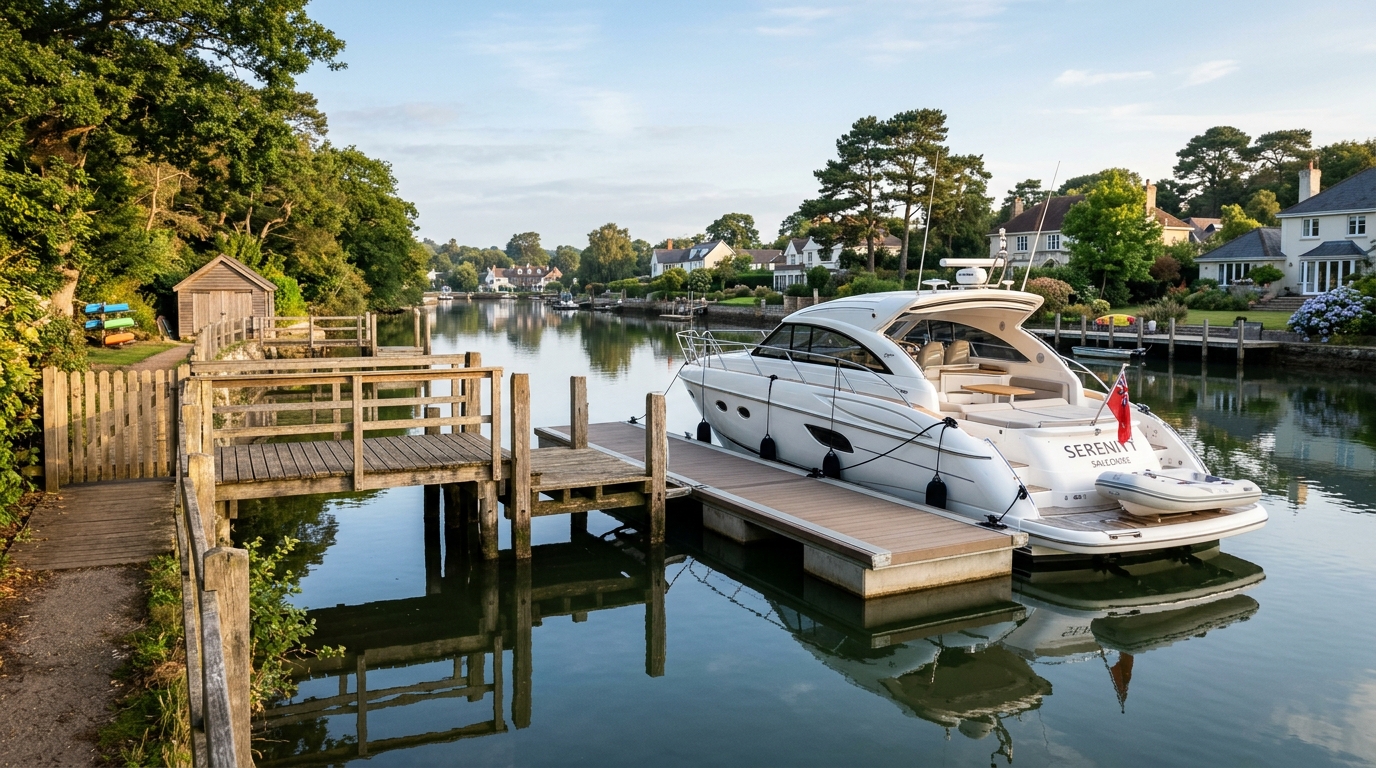
Homeowners fortunate enough to own waterfront property often ask: "Can I rent out my private jetty safely and legally?" The answer depends on conducting a thorough operational assessment. Determining your private jetty suitability involves reviewing water depth at low tide, structural integrity, access points, and local council regulations before offering your dock to vessel owners.
Private jetty listings offer boaters a peaceful, low-density alternative to bustling commercial facilities. However, to attract qualified tenants and protect your property, you must evaluate both the physical capabilities of your berth and the regulatory requirements of your local waterway authority.
Key Structural and Environmental Metrics
- Water Depth and Clearance: Measure minimum depth at lowest astronomical tide (LAT) to define suitable draft limits for keel or stern-drive boats.
- Mooring Hardware Integrity: Inspect cleats, pilings, wharves, and fenders to ensure they can withstand tidal surge and wind load.
- Utilities and Access: Verify whether your jetty provides 24/7 unhindered shore access, fresh water connections, and dedicated shore power.
Comparing Wet Berth Versus Dry Storage Options for Prospective Tenants
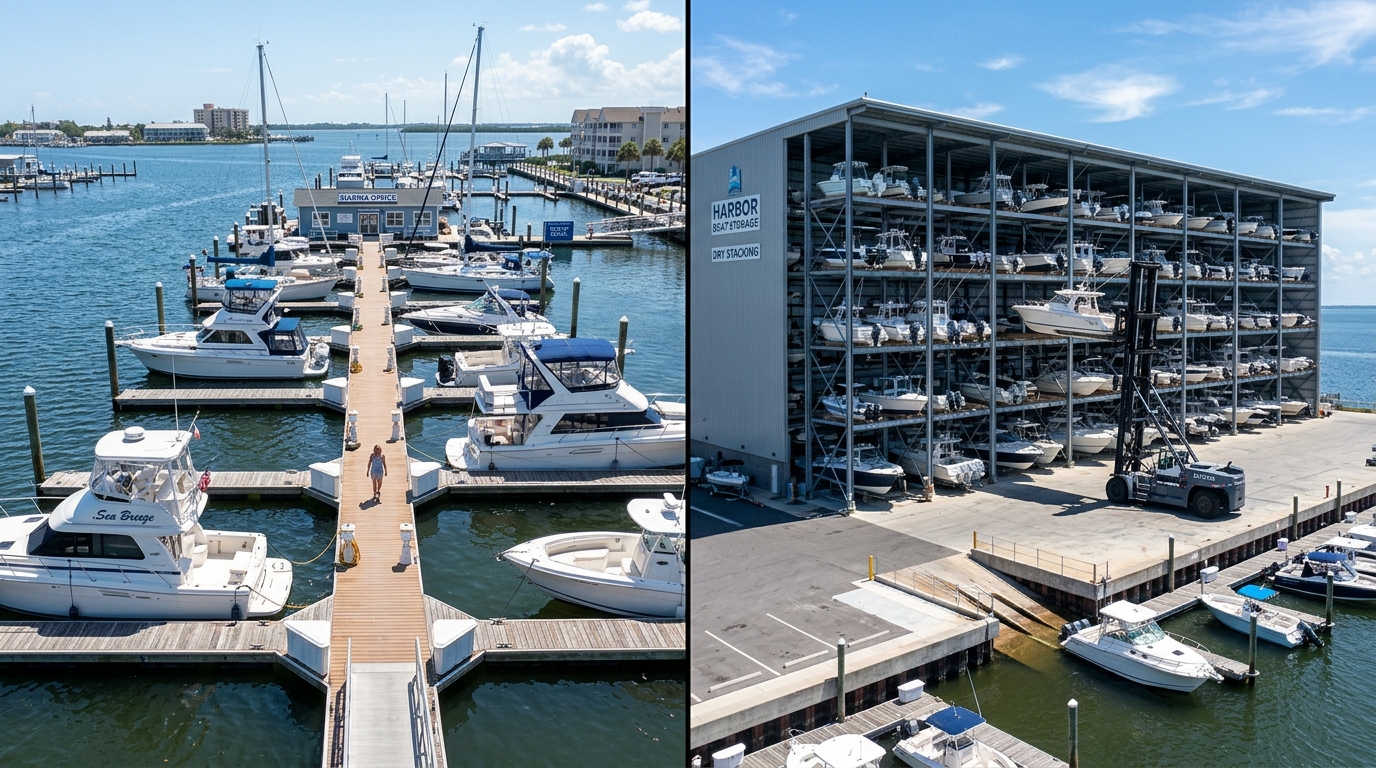
When vessel owners seek boat storage, they generally weigh three primary solutions: commercial marina wet berths, dry stack facilities, and private jetty rentals. Understanding the wet berth versus dry storage decision framework helps private dock owners price their offering competitively and highlight distinct benefits.
Commercial wet berths provide complete marina services but often carry high monthly fees and long waitlists. Dry storage offers weather protection and reduced hull fouling, yet limits instant water access and restricts larger vessels or sailing yachts with tall rigs. A private jetty bridges this gap by offering secure, immediate water access, personalized care, and often more attractive rate structures.
- Wet Berth Advantages: Immediate departure readiness, accessible full-service maintenance, and commercial security monitoring.
- Dry Storage Advantages: Minimal bottom fouling, lower hull maintenance, and protection from marine growth.
- Private Jetty Advantages: Peaceful residential settings, competitive pricing, direct owner contact, and flexible casual or long-term arrangements.
Navigating Permits, Legal Requirements, and Council Guidelines
Before publishing a berth listing, waterfront owners must confirm local statutory compliance. In many jurisdictions, private jetties operate under specific seabed leases or municipal permits that govern whether sub-leasing or third-party vessel mooring is permitted.
Failing to verify these rules can lead to compliance notices or invalidation of property insurance policy endorsements. Always contact your local maritime safety agency or council land management office to review lease conditions. Ensure your contract requires tenants to maintain comprehensive vessel hull and third-party liability insurance prior to tie-up.

Practical Assessment Checklist for Private Jetty Owners
Use this step-by-step evaluation framework to confirm your dock readiness before accepting your first boater:
- Draft Verification: Record low-tide depth readings along the entire berthing pocket.
- Access Pathways: Establish clear guidelines for land-side entry, parking, and gate access.
- Safety Standards: Fit non-slip decking surfaces, adequate night lighting, and sturdy boarding steps.
- Listing Integration: Leverage specialized management tools like Marina Match to verify boater credentials, automate agreements, and streamline payments.
Frequently Asked Questions
Is specialized insurance required when I rent out my private jetty?
Yes. Standard homeowner policies rarely cover third-party commercial boat mooring. Jetty owners should secure landlord liability insurance specifically covering marine structures and mandate that visiting boaters hold active marine liability cover.
How does a private jetty compare in cost to commercial wet storage?
Private docks are generally priced 10% to 30% below commercial marina berths because they rarely offer full-service amenities like fuel docks or shipyards, providing excellent value for cost-conscious boaters.
What vessel types best suit private jetty rentals?
Cruising powerboats, trailerable sports cruisers, and shallow-draft sailing boats are ideal candidates, provided the depth profile and turning basin support safe maneuvering.
Do you run a marina or own a berth?
Reach boat owners searching for berths. Listing is free.
Recent Blogs