Structuring Berth Rental Rates and Deposit Policies for Maximum Dock Operational Efficiency
Setting berth rental prices and managing security deposits are two of the most critical operational tasks for modern harbour masters and dock operators. When pricing models are unclear or deposit workflows are cumbersome, marinas face administrative bottlenecks, lost booking revenue, and delayed turnaround times between reservations. Elevating marina operational efficiency requires a structured approach that balances competitive market pricing with robust financial safeguards.
This operational guide breaks down how to price a berth rental accurately, how to structure berth rental deposits to minimise financial risk, and how automated digital workflows simplify intake for dock staff and boaters alike.
How to Price a Berth Rental: Strategic Valuation Criteria
Establishing an accurate rate card requires moving beyond simple linear per-metre pricing. While total length overall (LOA) remains the baseline metric, effective yield management takes into account vessel beam, draft requirements, seasonal demand surges, and dock amenity access.
1. Dimensional Footprint and Water Column Usage
Vessels occupy three-dimensional space in your marina basin. Multihull vessels such as catamarans require significantly wider fairways and double-width berths, while deep-draft sailing yachts restrict which slips can accommodate them during low tide. Standardising pricing per square metre of water column or applying a catamarans multiplier (typically 1.35x to 1.5x standard beam rates) ensures fair asset utilization.
2. Tiered Seasonal and Duration Rates
Maximising revenue across high and low seasons requires clear duration tiers:
- Transient / Daily Rates: Priced at a premium to accommodate higher administrative touchpoints and utility turnover.
- Monthly / Seasonal Rates: Discounted slightly compared to daily rates to secure predictable cash flow during shoulder periods.
- Annual Leases: Form the baseline occupancy, typically priced with built-in seasonal adjustments or CPI indexation.
3. Utility Metering and Submetering Integration
Bundling unmetered shore power and water into baseline rental tariffs frequently leads to utility waste and margin erosion. Operational efficiency improves significantly when berth rates cover dockage space while utility consumption is billed independently via automated power pedestal metering.
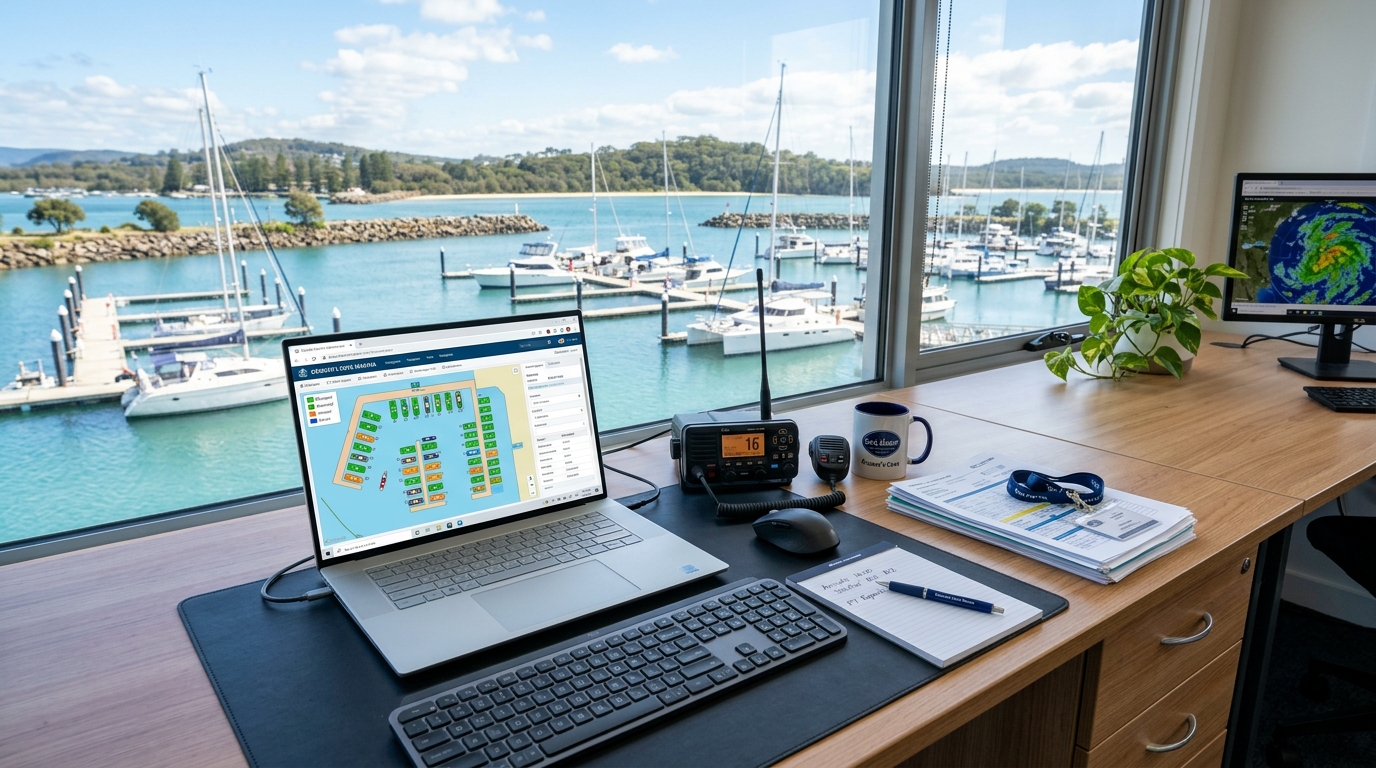
Structuring Berth Rental Deposits for Financial Safety and Speed
Handling berth rental deposits effectively protects marina infrastructure against unpaid balances, extended late departures, or unexpected dock damage. However, requiring manual bank transfers or paper checks slows down booking confirmation and burdens dock office staff.
Establishing Baseline Deposit Requirements
A resilient deposit framework should differentiate between standard reservations, transient bookings, and long-term lease holds:
- Transient Reservations: 100% of the total booking fee paid up front at reservation, acting as a non-refundable holding deposit within 7 to 14 days of arrival.
- Monthly / Short-Term Rentals: A security deposit equal to 50% to 100% of one month's rent, held until post-stay dock inspection and utility reconciliation.
- Annual Leases: One to two months' rent held in escrow or secure merchant vaulting, refundable upon contract expiration provided the berth is left in pristine condition.
Automating Pre-Authorisations and Refund Timelines
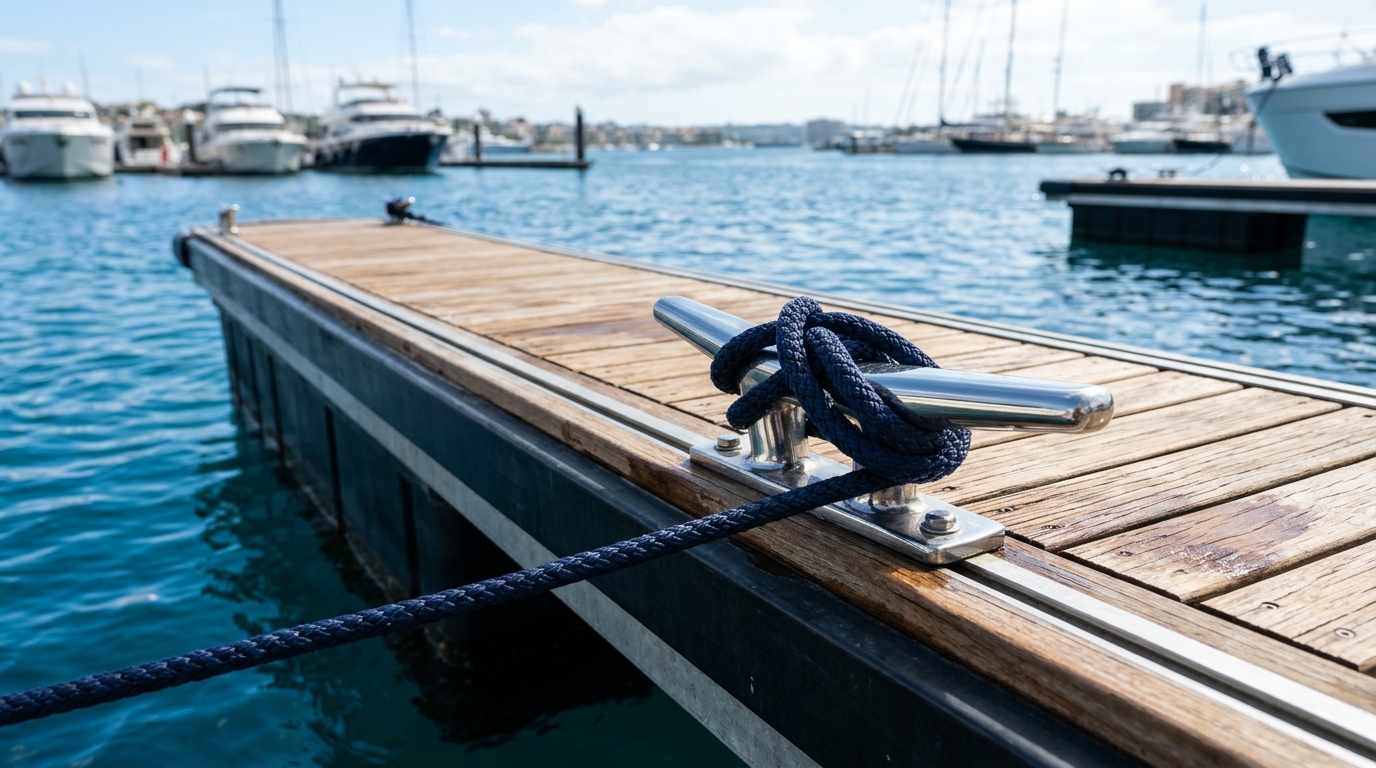
Manual administrative handling of cash or manual card refunds introduces human error and friction. By utilizing automated credit card pre-authorisation holds, marinas can automatically release security deposits within 48 hours of vessel departure once dock inspections confirm no damages or unmetered utility debts remain.
Improving Marina Operational Efficiency Through Intake Automation
Aligning transparent pricing grids and deposit collection within an integrated berth management platform directly impacts daily harbour logistics. Dock masters spend less time answering tariff queries or tracking down unpaid security holds, allowing them to focus on waterfront safety and guest services.
Operational Checklist: Berth Rate and Deposit Workflow
- Audit Slip Inventory: Map every berth by maximum LOA, beam, depth, and utility capacity.
- Define Pricing Tiers: Establish clear high-season, low-season, and transient multipliers.
- Standardise Deposit Terms: Clearly detail holdback terms, cancellation windows, and utility deductions in digital rental agreements.
- Automate Payment Gateways: Implement digital booking channels that collect deposits immediately upon reservation confirmation.
- Streamline Check-Out Inspections: Conduct mobile tablet dock walks at departure to trigger rapid deposit releases.
Frequently Asked Questions
How far in advance should berth rental deposits be collected?
For transient stay bookings, collect 100% of the deposit at the time of reservation confirmation. For long-term or annual leases, require the security deposit upon agreement signing prior to vessel arrival and slip allocation.
What is the best way to handle berth deposit disputes regarding minor dock damage?
Maintain digital condition logs with timestamped photographs taken during check-in and check-out. Presenting photographic evidence alongside itemised repair costs eliminates ambiguity and ensures smooth administrative resolution.
Should berth prices include shore power and water consumption?
For transient stays under 3 days, flat-rate utility additions can streamline intake. For monthly or annual rentals, submetering electricity and water consumption ensures equitable billing and encourages energy conservation across the harbour.
Elevate Your Waterfront Management Workflows
Ready to modernize your marina's berth allocation, pricing tiers, and automated deposit collection? Explore how modern marina management platforms streamline dock operations and keep your harbour running smoothly.
Do you run a marina or own a berth?
Reach boat owners searching for berths. Listing is free.
Recent Blogs