Deciphering Boat Housing: Marina Berth Lease Versus Licence, Storage Expenses, and Experience Quality
Securing suitable accommodation for a vessel involves more than comparing monthly rates. Boat owners must navigate legal agreements, evaluate distinct storage methods, and assess the day-to-day service standards of candidate facilities. Choosing between a long-term berth lease and a short-term licence directly impacts your financial commitment, transfer rights, and operational security on the water.
Understanding Legal Rights: Marina Berth Lease Versus Licence
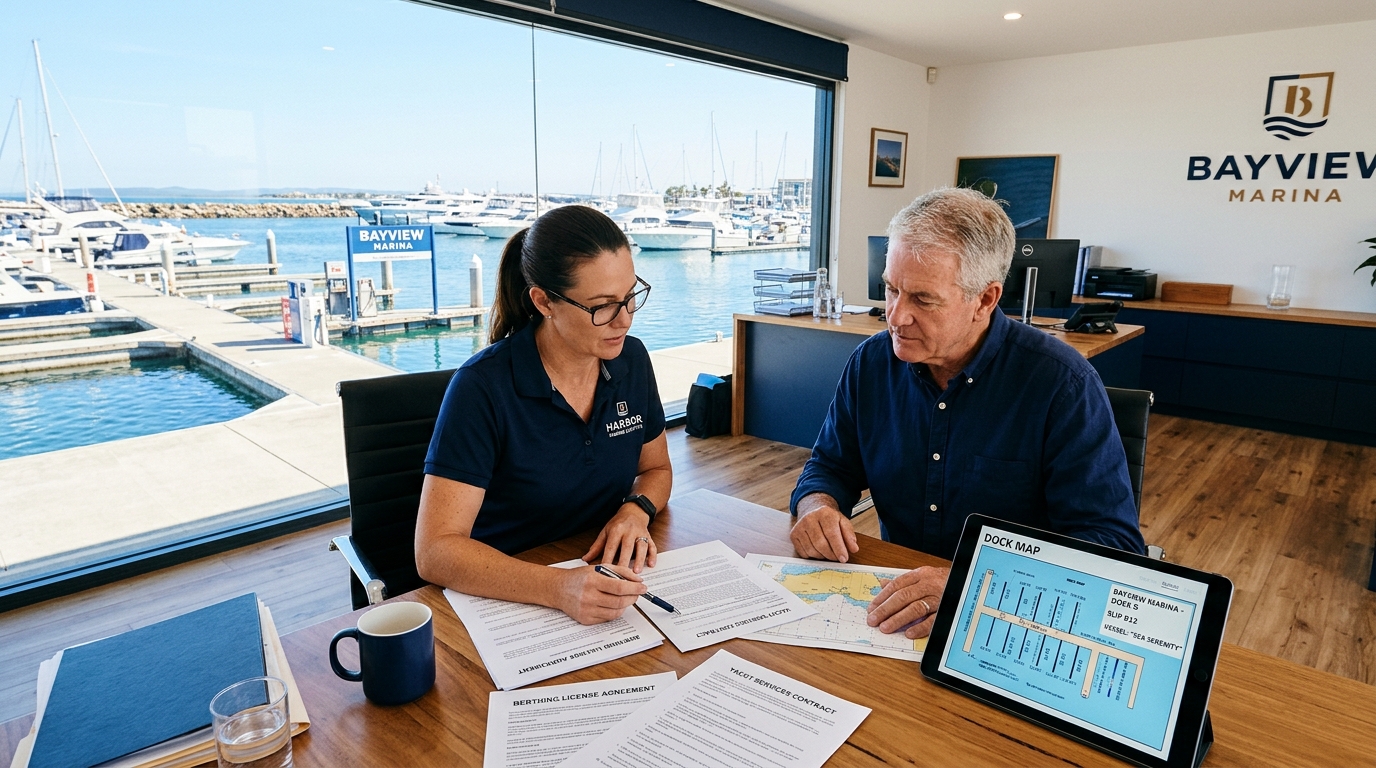
The primary distinction when securing a wet slip lies in the legal nature of the contract. A marina berth lease grants a lessee an exclusive, legal interest in a defined piece of real or seabed property for a specified period, often spanning several years or decades. In contrast, a berth licence confers a personal contractual right to occupy an assigned space without granting real property ownership or exclusive possession of a specific water body.
Key Features of a Berth Lease
- Property Interest: Creates a registrable leasehold estate in the seabed or pontoon footprint.
- Subleasing and Transfer: Leaseholders frequently retain the contractual right to sublet their assigned space or assign the remaining term to a third party upon selling their vessel.
- Capital Commitment: Requires a larger upfront capital expenditure, balanced by long-term price security against inflation and escalating commercial dockage rates.
Key Features of a Berth Licence
- Operational Flexibility: Operates under short-term agreements, typically ranging from month-to-month to annual renewals, making it ideal for transient vessel owners.
- Reallocation Authority: Marina operators reserve the right to relocate the vessel to another suitable berth within the facility to optimise dock capacity during maintenance or events.
- Lower Entry Cost: Eliminates large capital layout, replacing it with regular security deposits and predictable recurring fee cycles.
Financial Analysis: Weighing Wet Berths Against Dry Boat Storage Costs
Evaluating vessel storage requires looking beyond upfront dockage. A thorough comparison requires analyzing dry boat storage costs alongside traditional wet berth fees, including ongoing maintenance and insurance premiums.
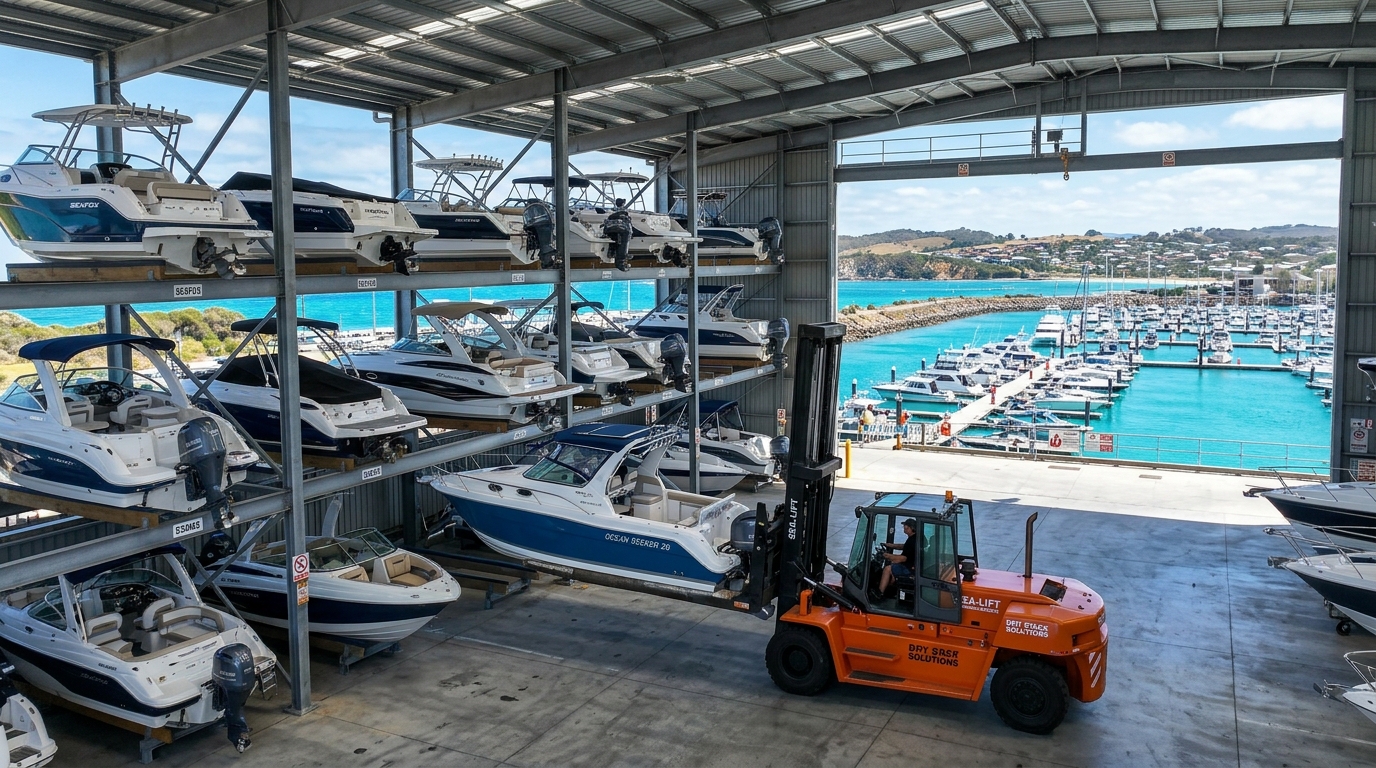
Dry stack storage facilities house powerboats on indoor or outdoor tiered racking systems, utilising specialized heavy-capacity forklifts for launches. Wet berths keep vessels floating in protected fairways, offering immediate, 24/7 water access.
Comparative Cost Drivers and Operational Trade-Offs
- Antifouling and Maintenance: Storing a vessel out of the water virtually eliminates bottom fouling and marine growth, saving owners substantial annual haul-out, scraping, and bottom painting expenses.
- Hull and Anode Lifespan: Dry storage minimizes electrolysis, galvanic corrosion, and moisture absorption in composite hulls, extending mechanical and cosmetic longevity.
- Access Restrictions: Dry stack operations depend on facility operating hours and launch booking windows. Wet berths allow unrestricted departure times for early-morning or late-night voyages.
- Insurance Premiums: Marine underwriters often offer lower hull insurance premiums for vessels kept in enclosed dry stack facilities during storm seasons, owing to reduced risk of sinking or impact damage.
For a standard 9-metre powerboat in Australia, annual dry boat storage costs typically range between $6,000 and $10,500 AUD, depending on facility amenities and launch allowances. A comparable wet berth licence averages $7,200 to $12,000 AUD per year, plus mandatory annual bottom maintenance costs averaging $1,800 to $3,200 AUD. While wet slips carry higher overall maintenance overheads, they remain essential for larger craft, catamarans, and deep-draft sailboats that exceed dry stack dimension and weight capacity limits.
Elevating Modern Marina Customer Experience Through Digital Convenience
Beyond legal structures and storage economics, the overall marina customer experience significantly influences owner satisfaction. Modern vessel owners expect seamless digital interactions from initial enquiry through day-to-day berthing operations.
Attributes of a Modern Customer Experience
- Transparent Utility Billing: Automated monitoring of power and shore water consumption ensures clear, usage-based invoicing rather than flat estimated surcharges.
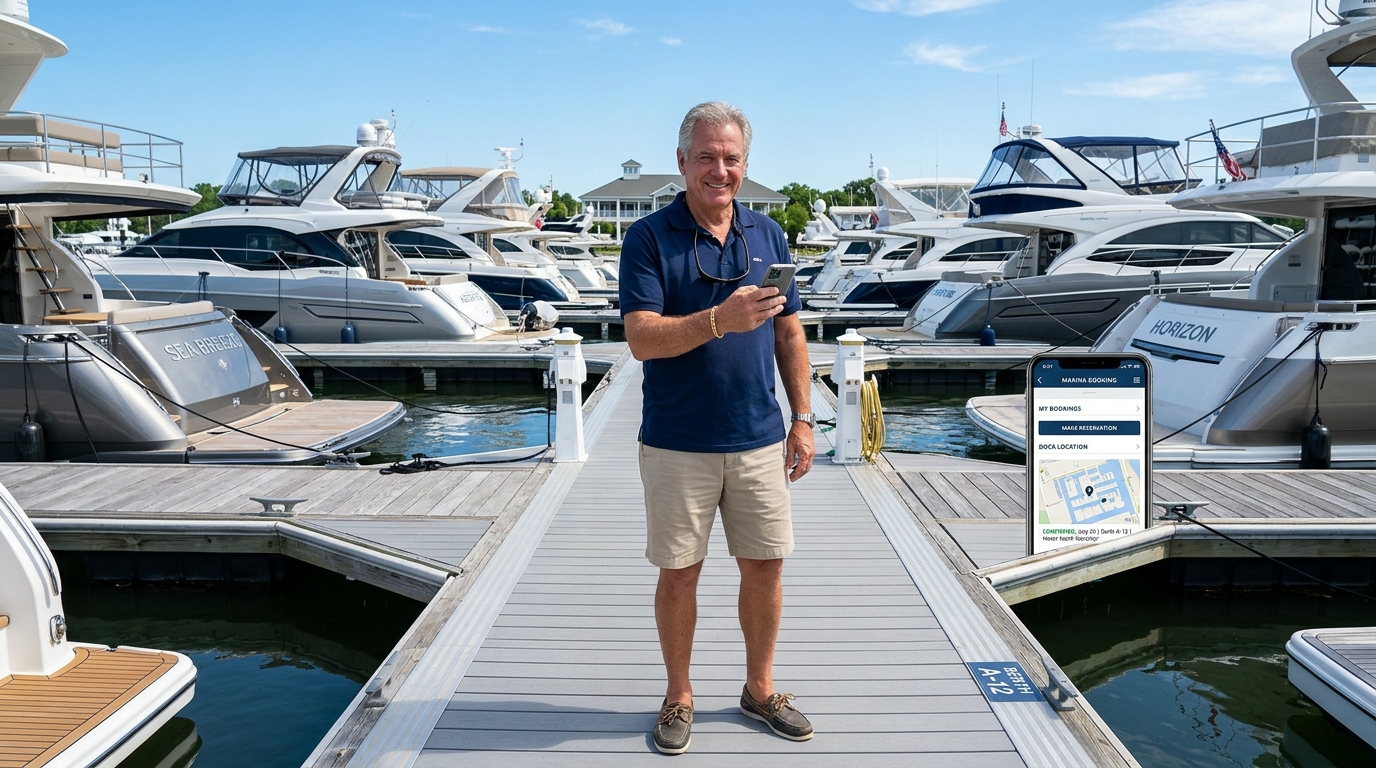
- Streamlined Access Control: Digital keyless gate entry and smartphone-based arrival notifications replace physical keys and manual sign-in logs.
- Direct Communication Channels: Integrated platforms allow vessel owners to report maintenance needs, request launch times, or update vessel documentation directly from mobile devices.
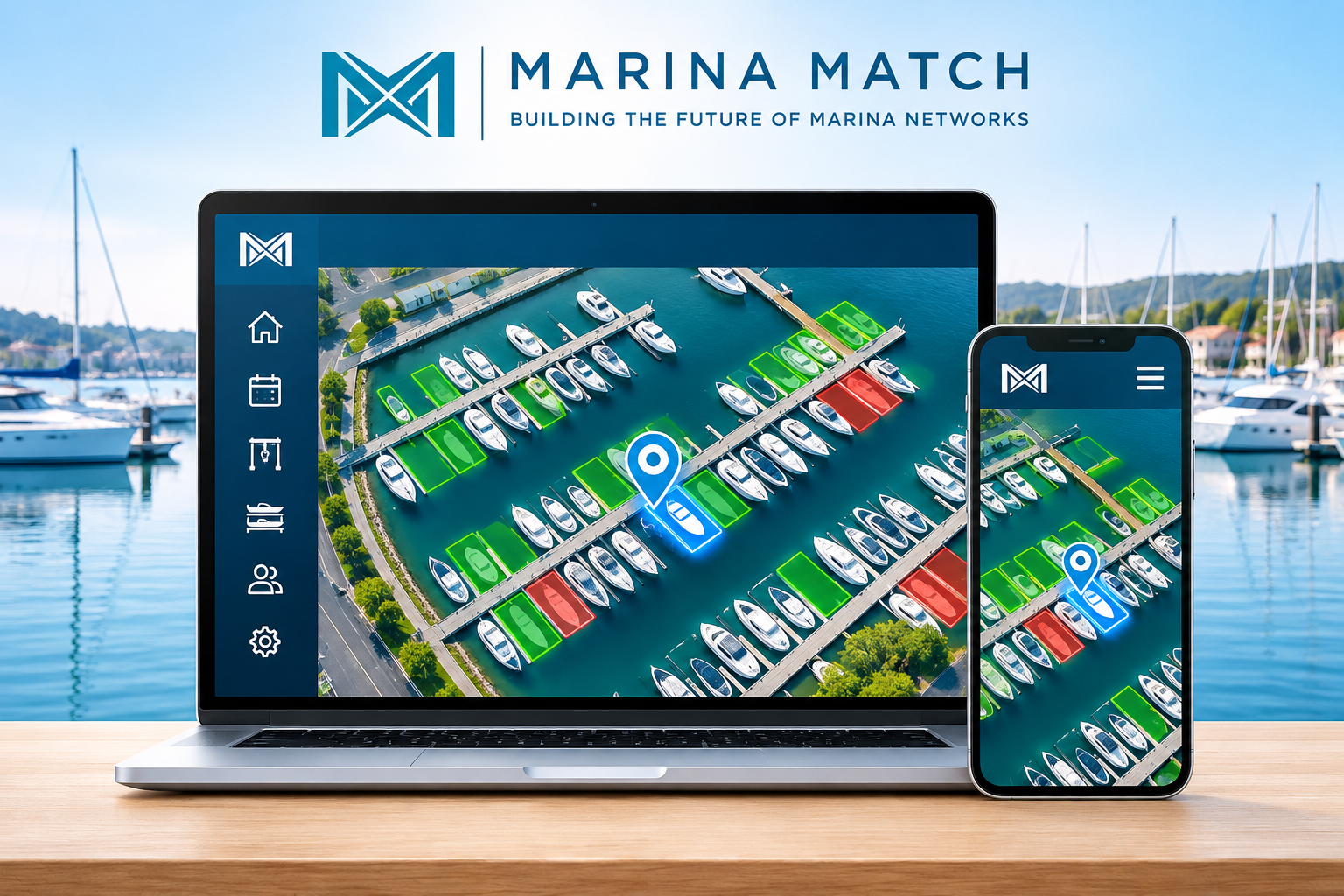
Innovative platforms like Marina Match bridge the gap between marina management and vessel owners. By providing transparent availability maps, streamlined booking workflows, and clear lease or licence administration, modern marina management platforms eliminate administrative friction. Facilities utilizing these tools deliver predictable, efficient, and responsive service that reassures owners their marine assets are well managed.
Frequently Asked Questions
What happens if I sell my boat while holding a long-term berth lease?
Most long-term berth lease agreements allow the leaseholder to transfer the remaining term to the buyer or assign it back to the marina management, subject to approval fees and facility rules. Always review assignment clauses in your specific agreement.
Are dry boat storage costs cheaper than wet slips in the long run?
For trailerable powerboats under 10 metres, dry stack storage is frequently more cost-effective overall. Although monthly rack fees may match wet berth licences, eliminating annual antifouling haul-outs and reducing hull corrosion delivers noticeable net savings over time.
Can I sublet my marina berth under a short-term licence?
Generally, short-term berth licences prohibit subleasing by the licensee. The marina operator retains exclusive rights to assign vacant slips. If you plan to rent out your unused space, a formal lease structure with explicit subletting provisions or listing via approved digital berth marketplaces is required.
Do you run a marina or own a berth?
Reach boat owners searching for berths. Listing is free.