
Designing the Automated Marina: A New Era for Jetty Rental
The Evolution of Waterfront Logistics
The modern waterfront is undergoing a quiet but profound evolution. For decades, the marine industry relied on physical whiteboards, handwritten ledgers, and VHF radio calls to manage daily berthing logistics. While these manual systems served their purpose in a simpler era, today's boaters, operators, and waterfront property owners demand a more agile, connected experience. As global boating participation reaches historic heights, the pressure on existing infrastructure has intensified. This surge in demand has paved the way for the concept of the automated marina—a digital-first ecosystem where technology handles the heavy lifting of scheduling, billing, and resource allocation.
By combining real-time data with intuitive software, modern waterfronts are transitioning from passive docking facilities into active, intelligent hubs. This shift does not just benefit large commercial ports; it opens up unprecedented opportunities for private property owners looking to list a jetty rental or manage their personal berths. For any forward-thinking marina business, embracing this transformation is no longer a luxury—it is the key to maintaining operational efficiency, maximising asset yield, and keeping boaters safe and satisfied on the water.
The Modern Marina Business: A Shift in Expectations
To understand why automation is so critical today, we must first look at how the role of a traditional marina operator has changed. Modern boaters are accustomed to seamless digital experiences in every other aspect of their lives, from booking flights to reserving luxury accommodation. When they transition to their marine activities, they expect the same level of convenience. They want to check berth availability in seconds, complete an online marina booking on their mobile devices, and receive instant confirmation before they even untie their lines.
For the marina business, meeting these expectations with manual processes is incredibly difficult. Staff are often stretched thin, spending hours answering phone calls, chasing payments, and manually updating spreadsheets. This administrative burden leaves little time for high-value tasks like customer service, safety inspections, and facility maintenance. Furthermore, static management styles make it nearly impossible to capture fleeting opportunities, such as last-minute cancellations or transient boaters looking for a place to moor during a storm. By digitising these touchpoints, operators can free their staff from routine paperwork, allowing them to focus on delivering an exceptional on-water experience.
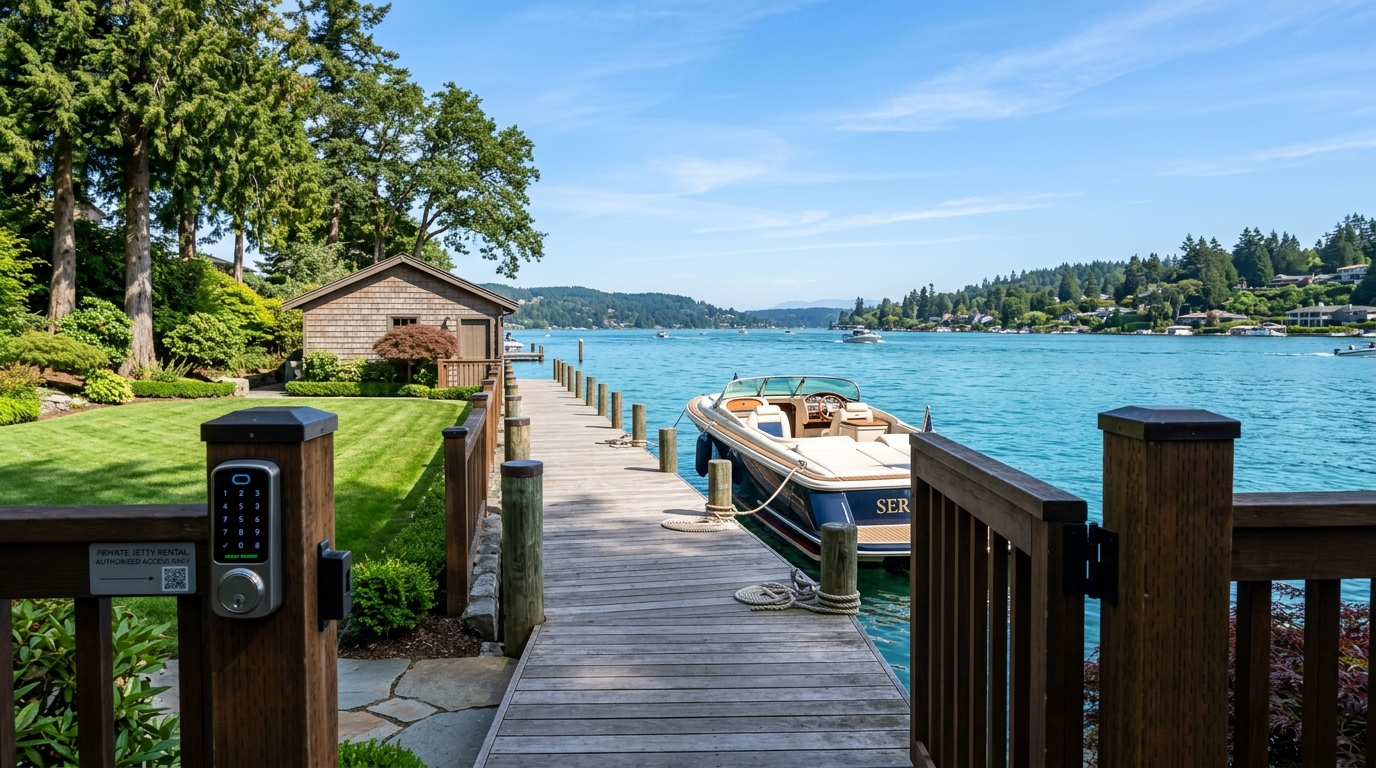
Bridging the Gap: Integrating Commercial Berths and Private Jetty Rental
One of the most exciting aspects of the digital marine revolution is the democratization of waterfront assets. Historically, the commercial marina and the private residential dock existed in entirely separate worlds. If a homeowner had an unused private jetty, finding a reliable boater to rent it was a process fraught with friction, relying on local classifieds, physical signposts, or word-of-mouth. Conversely, boaters searching for a safe mooring during peak seasons were often met with waitlists spanning several years at local yacht clubs.
Now, the lines are blurring. By integrating jetty rental and private dock rental opportunities into a unified digital network, we can unlock vast amounts of dormant berthing capacity. For private owners, turning an idle asset into a secure stream of passive income is highly attractive. For the broader industry, it provides a flexible safety valve that relieves pressure on congested public harbours. When private docks are listed with clear specifications, transparent pricing, and secure payment pathways, they become valuable extensions of the global marina network, giving boaters more choices and greater peace of mind.
Key Components of an Automated Marina
Building an automated marina involves more than just installing a piece of software; it requires a cohesive digital framework that connects physical hardware with cloud-based management platforms. When designed correctly, this integration creates a seamless loop of information that benefits both the operator and the boater.
Let us look at the primary pillars that form the foundation of a modern automated facility:
- Cloud-Based Marina Dashboard: A centralized control centre is essential. A modern marina dashboard should aggregate all operational data into a single, visual interface. Operators can monitor vessel movements, check real-time occupancy, manage utility usage, and handle billing without ever switching between different applications.
- Dynamic Berth Availability and Mapping: Static lists are replaced with interactive, real-time maps. Boaters can view exact slip configurations, depth measurements, and available amenities directly from their devices, choosing the perfect spot for their specific vessel draft and beam.
- Automated Waitlists and Booking Engines: Instead of manually managing a lengthy waiting list, the system handles it automatically. When a berth becomes vacant due to a departure or cancellation, the platform immediately alerts the next boater on the list, offering them the spot and processing the payment within minutes.
- Secure Payment Gateways: Integrating systems like Stripe allows for automatic invoicing, seamless recurring payments for long-term tenants, and instant, secure transactions for transient visitors.
By removing human error from these critical processes, the facility runs like a well-tuned engine, ensuring that no slip remains empty while there is demand on the water.
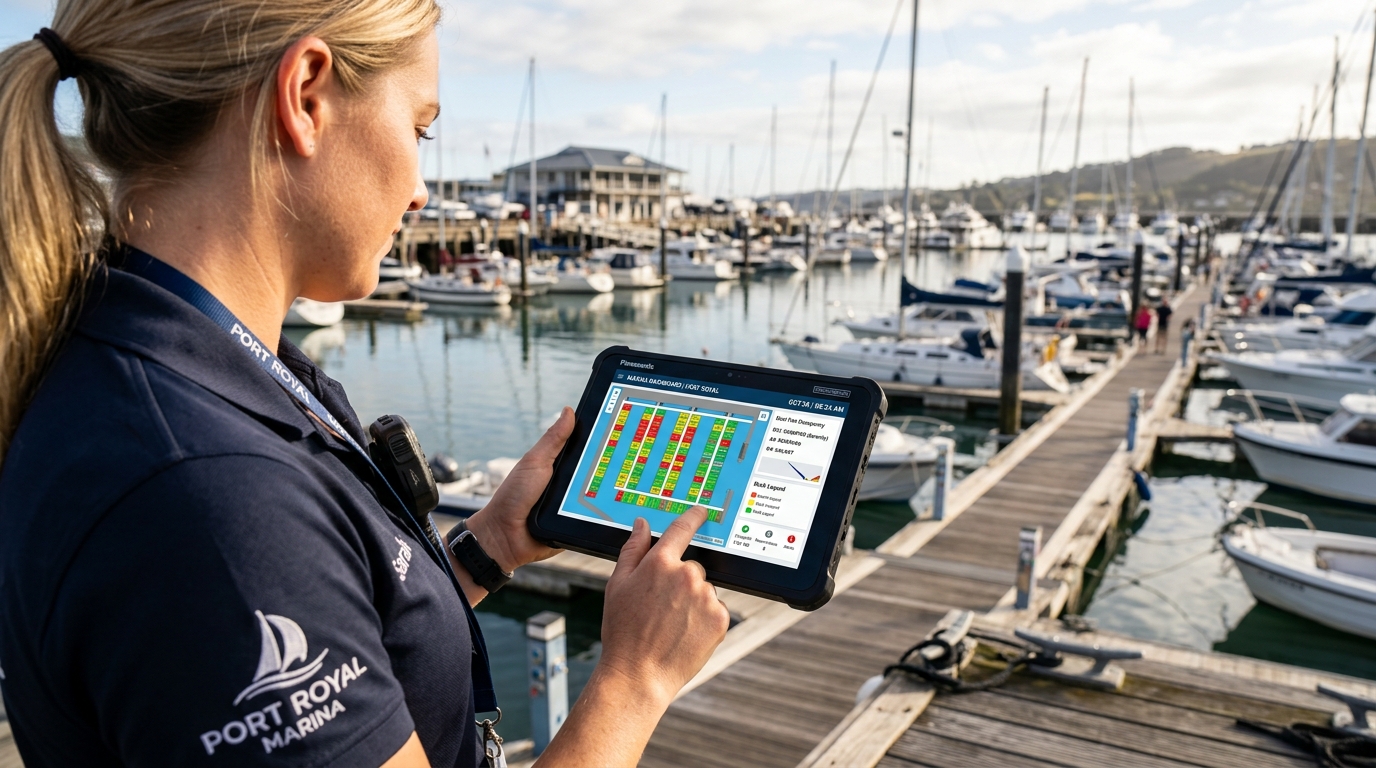
Comparing Traditional vs. Automated Management Models
To highlight the tangible benefits of making this digital transition, let us compare the traditional approach with the automated model across key operational areas:
- Booking and Reservations: In a traditional setup, booking involves manual phone calls, emails back and forth, and paper logs. In an automated setup, boaters complete an online marina booking instantly through a mobile app with real-time updates.
- Invoicing and Payments: Traditional billing requires manual invoice generation, chasing checks, and handling cash. Automation enables direct secure billing with automated payment reminders and instant receipts.
- Waitlist Management: Traditional systems use static spreadsheets where staff manually contact boaters in order. Automated systems feature self-service digital waitlists that offer vacant berths instantly and automatically based on boat size and profile.
- Asset Visibility: Traditional operators rely on physical checks and radio updates to know who is in which slip. Modern operators use a live marina dashboard with real-time vessel tracking and interactive digital maps.
- Private Asset Monetisation: Traditional residential docks sit idle and empty. With modern networks, homeowners list their docks for private dock rental, reaching a global audience of verified boaters instantly.
Unlocking New Streams: Maximising Marina Revenue and Asset Yields
At its core, any automation strategy must make financial sense. For a commercial facility, the primary driver is maximizing marina revenue while controlling operational overheads. In a manual setup, revenue leakage is surprisingly common. Unrecorded short-stay visits, forgotten utility charges, and uncollected late fees can quietly erode a marina's profitability over the course of a season.
Automation solves these leaks by tracking every transaction and reservation with precision. When a boat enters a slip, the smart system registers its presence, cross-references it with the booking engine, and applies the correct charges. If a boater wishes to extend their stay, they can request it directly through the app, and the system will automatically recalculate the fee based on real-time availability.
Furthermore, dynamic pricing models can be introduced. During peak holiday weekends or major local events, pricing can adjust automatically to reflect high demand, while off-peak rates can be optimized to attract long-term cruisers. This level of agility allows a marina business to capture maximum value during peak seasons while maintaining steady occupancy throughout the quieter months of the year.

Solving the Practical Friction: Security, Access, and Liability
While the benefits of digital transformation are clear, transitioning to automated workflows can raise natural concerns regarding security, physical access control, and liability. How does a remote private property owner ensure that a boater using their private dock rental is trustworthy? How does an automated marina manage physical gates and security barriers without a dedicated guard stationed at the entrance?
The answer lies in connected hardware and verified user profiles. Modern platforms handle identity verification and digital contract signing before a boater even arrives. When a booking is confirmed, secure digital access keys can be sent directly to the boater's smartphone. These keys can grant temporary access to specific gates, pontoon ramps, and amenities only for the duration of their reservation.
Additionally, integration with secure payment processors ensures that security deposits are held safely, protecting both parties in the event of minor damage or overstaying. For private jetty owners, having a robust framework that manages liability, insurance checks, and clear terms of service removes the hesitation associated with renting out private space, turning what was once a complex chore into a worry-free commercial venture.
A Seamless Future: Yacht Club Management and Connected Networks
The advantages of automation are not restricted to commercial businesses and private docks; they extend deeply into yacht club management as well. Yacht clubs often operate under unique models, balancing member-only privileges with transient visitor accommodations. Traditional yacht club software is often siloed, forcing administrators to manage club memberships, food and beverage systems, and sailing school bookings on completely different programs from their actual slip rentals.
By adopting integrated solutions, yacht clubs can bring all these components into a single ecosystem. Members can easily book berths, RSVP for social events, and track their club accounts from one unified dashboard. Transient visitors can be accommodated seamlessly during off-peak times, generating extra revenue that can be reinvested into club facilities.
Looking further ahead, the ultimate goal of the marine industry's digital transformation is the creation of a fully connected global marina network. Imagine a world where a boater can plan a voyage spanning thousands of miles, securing verified berths, private jetties, and local yacht club moorings along their route with just a few clicks. This level of connectivity transforms boating from a stressful logistical puzzle into a joyful, carefree adventure.
Conclusion: Setting Sail Toward Tomorrow
The shift toward the automated marina model is rapidly gathering pace, driven by a collective desire for greater efficiency, transparency, and simplicity on the water. For commercial operators, modernizing workflows is the most direct path to boosting marina revenue and streamlining daily tasks. For private homeowners, engaging in the jetty rental market offers an elegant way to monetise an underutilised asset while supporting the wider boating community.
As the industry moves forward, platforms like Marina Match are leading the charge, building the essential digital infrastructure that connects docks, data, and boaters across the globe. By embracing these smart solutions, waterfront businesses and private owners alike can secure their place in the future of marine travel, ensuring their operations remain resilient, profitable, and ready for whatever lies over the horizon. If you are ready to elevate your waterfront assets, explore the possibilities with Marina Match today and discover how easy managing your berths can be.
Frequently Asked Questions
How does an automated marina handle safety and emergency situations without on-site staff?
An automated marina integrates smart sensors, high-definition security cameras, and remote emergency shut-off valves to monitor site safety around the clock. In the event of an emergency, automated alarms instantly notify local authorities and remote marina managers, while clear digital signage and mobile alerts guide boaters on-site to safety zones and emergency equipment.
Is a private jetty rental covered by insurance?
When listing a private jetty rental on professional platforms like Marina Match, hosts can request verified boat profiles and active third-party liability insurance certificates prior to confirming any booking. It is always recommended that both the property owner and the boater review their individual marine and property insurance policies to ensure coverage is active for short-term dock rental arrangements.
How can a traditional marina business transition to an automated model?
The transition begins with migrating core database records—such as member directories, historical booking records, and financial accounts—into modern cloud-based software. From there, the operator can deploy self-service online booking portals, automated billing systems, and gradually integrate smart dock hardware like digital gates and smart utility pedestals.
Can yacht club management software integrate with public booking platforms?
Yes, modern yacht club management tools can operate with dual access models. This allows club administrators to protect member-only slips and exclusive facilities while simultaneously exposing unused transient berths to the public booking market during peak periods, maximizing club revenue.
What payment security measures protect boaters and marina owners?
By utilising secure, world-class payment processors like Stripe, automated marine platforms ensure all financial data is encrypted and compliant with PCI standards. Boaters can pay securely using saved payment methods, and marina operators receive swift, automated payouts directly to their bank accounts without dealing with manual billing errors.
How does live berth availability reduce waitlist friction?
Instead of relying on manual lists that require staff to make physical phone calls when a slip becomes vacant, an automated waitlist immediately identifies the next suitable vessel on the list. The system sends an automatic notification with a direct booking link, ensuring the berth is filled quickly and efficiently with zero administrative delay.
Recent Blogs
September 15, 2026
Designing the Automated Marina: A New Era for Jetty Rental
September 13, 2026
Sailing Globally: The Value of a Global Marina Network
September 11, 2026
Upgrading Boat Mooring Systems with Berth Management Software
September 7, 2026
Redefining Slips: AI Berth Allocation in Connected Boating