

Diversifying Waterway Access: A Complete Guide to Marina Berth Rental and Private Moorings
For generations of mariners, finding a safe haven at the end of a long journey has been a matter of local knowledge, manual phone calls, or sheer luck. Whether planning a coastal passage or looking for a permanent home for a newly acquired vessel, the process of securing a dependable marina berth rental or finding a secure mooring for rent has historically remained offline. Boaters are accustomed to booking flights and hotels instantly, yet they frequently experience administrative delays when trying to book a simple boat slip.
This digital divide does not just affect boaters. Traditional marina operators and private dock owners grapple with empty slips, manual waitlists, and lost revenue. When a berth sits vacant because passing cruisers are unaware of its availability, the entire marine ecosystem loses momentum. To address these challenges, the industry is undergoing a structural shift. By integrating private properties, commercial slips, and advanced data analytics, we are entering an era of truly connected boating.
The Modern Shift in Slip and Berth Management
For any commercial marina operator, managing physical slips is a complex, multi-dimensional puzzle. Unlike hotel rooms, which are largely uniform in utility, boat slips must accommodate vessels with wildly different physical dimensions. A single vacant berth cannot simply be assigned to any arriving boat; the operator must verify that the boat's length overall (LOA), beam, draft, and shore power requirements precisely match the slip's physical characteristics.
When these variables are managed using manual ledger books, whiteboards, or outdated spreadsheets, mistakes are inevitable. A berth might remain empty because a clerk forgot to update its status, or a boat might arrive only to find that the assigned slip lacks the proper electrical current or water depth. These operational blind spots directly suppress marina occupancy rates and degrade the guest experience.
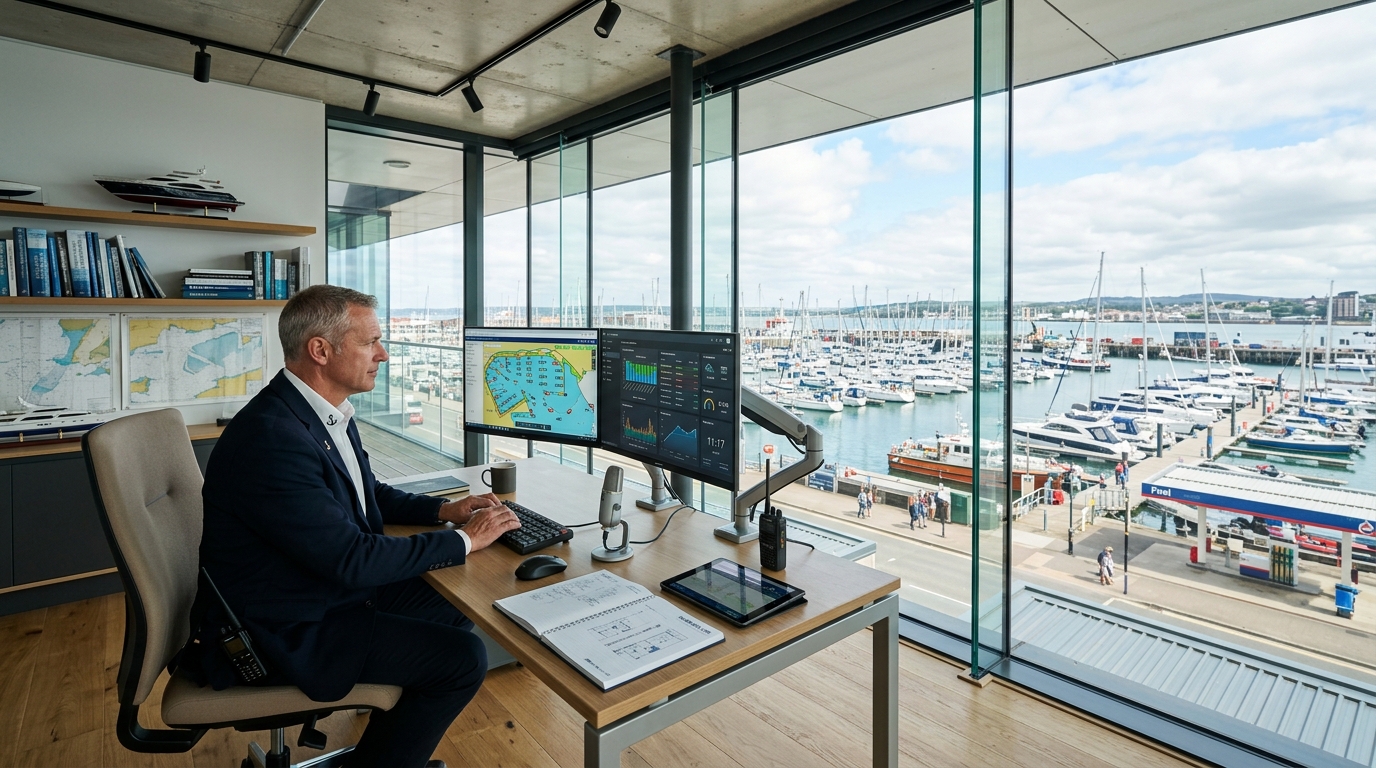
Modern marina management software changes this dynamic by digitising the entire physical layout of the waterfront. By creating an interactive, real-time map of the basin, operators can see at a glance which berths are occupied, which are reserved, and which are temporarily vacant due to seasonal departures. This visual intelligence allows dock masters to dynamically optimise slip allocations, ensuring that every linear foot of dock space is put to its highest and best use.
The Evolution of Marina Berth Rental in the Digital Era
From a cruiser's perspective, the convenience of a modern marina berth rental platform cannot be overstated. Ocean journeys are inherently unpredictable, governed by shifting weather patterns, mechanical issues, and changing tides. Arriving at a new destination after a grueling passage only to find local marinas fully booked is a stressful, and sometimes dangerous, reality for many captains.
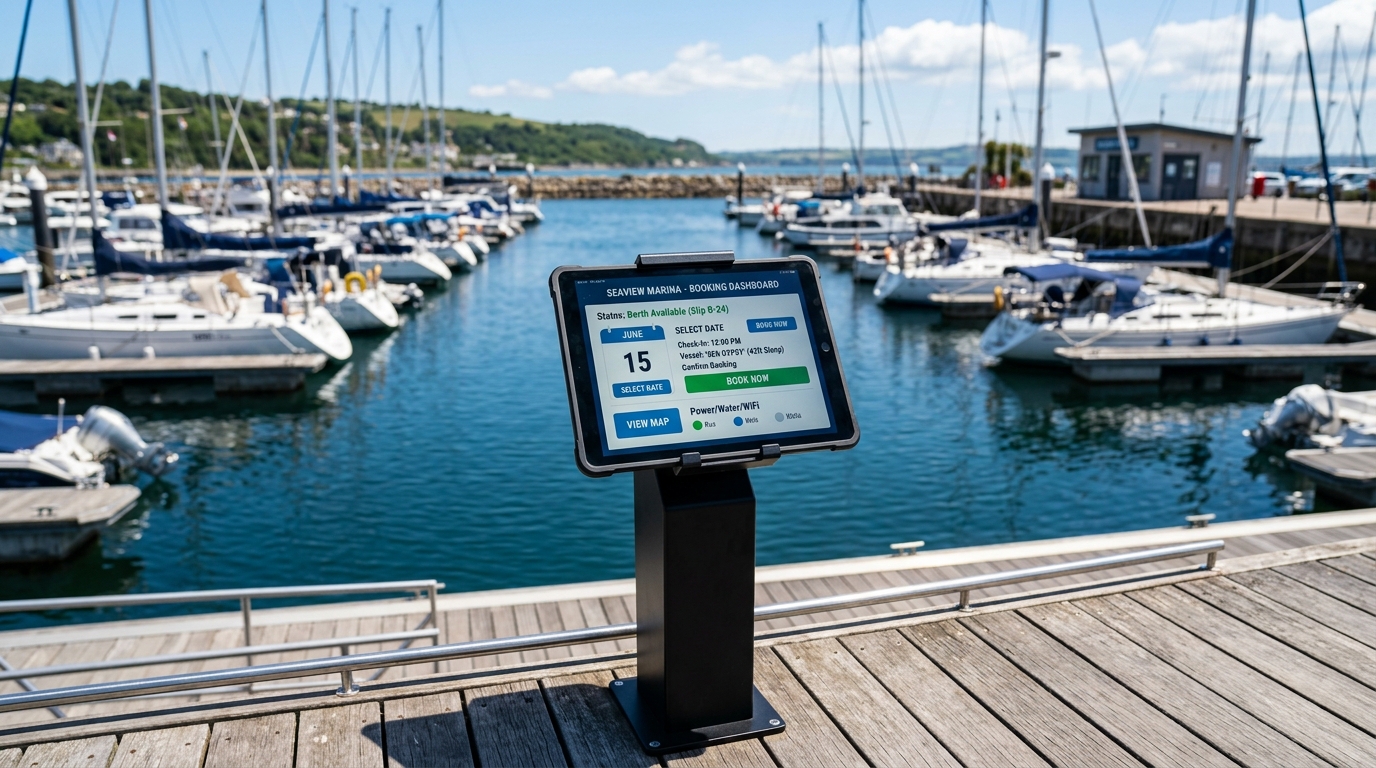
Transitioning to a transparent, real-time online marina booking system removes this uncertainty. Through a dedicated marina booking platform, a boat owner can search for available berths, filter by their vessel's exact specifications, and secure a berth reservation with immediate confirmation.
This system does more than simply reserve a piece of water. It allows boaters to upload registration papers, proof of liability insurance, and captain’s credentials beforehand. When the boat arrives at the breakwater, the dock master already has all the necessary documentation, allowing the crew to tie up and plug in without stepping foot in the office. By utilising secure payment gateways such as Stripe, the financial transaction is handled instantly, leaving the boater free to enjoy their stay and the operator with guaranteed, hassle-free revenue.
Unlocking the Shared Economy: Private Dock Rental and Moorings
As the global boating population continues to grow, traditional commercial marinas are facing physical limits. Building new marinas is highly capital-intensive, subject to stringent environmental regulations, and often restricted by a lack of suitable waterfront real estate. This has led to chronic slip shortages in major cruising hubs.
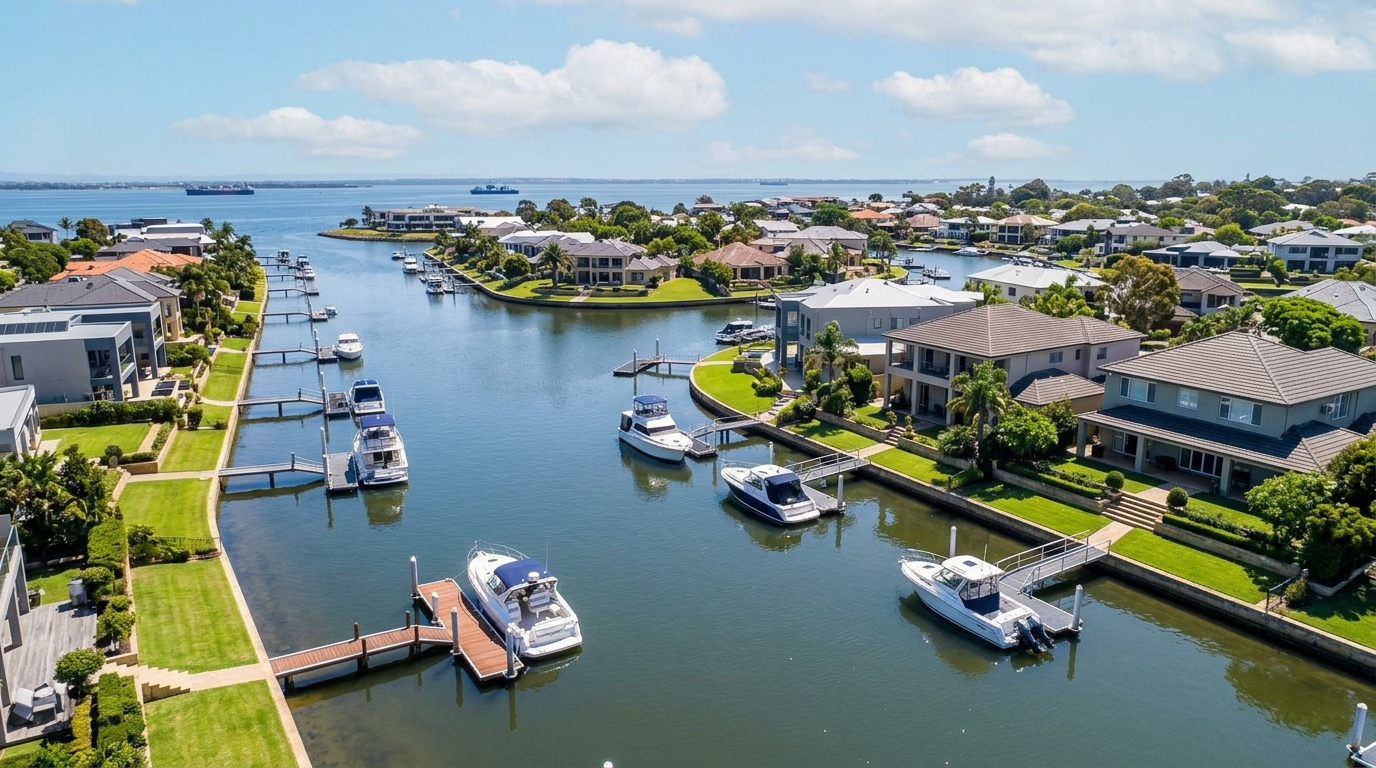
However, a massive reserve of underutilised waterfront infrastructure exists outside of commercial basins. Thousands of private jetties, residential pontoons, and deep-water moorings sit vacant for months at a time. Activating this private inventory through a secure private dock rental framework is a natural solution to the berthing deficit.
For waterfront property owners, listing a private jetty or mooring for rent represents a remarkable opportunity. It transforms a passive, high-maintenance asset into a reliable source of recurring income. For the cruising community, it opens up access to highly desirable residential canals, quiet bays, and scenic anchorages that were previously off-limits.
A unified marketplace ensures this peer-to-peer exchange is safe and professional. By establishing clear guidelines for liability, verifying the dimensions of listed berths, and managing secure communications, a specialised marketplace platform provides private owners with the same level of security and administrative ease enjoyed by commercial operators.
Streamlining Operations Through Smart Automation
As marinas grow more connected, the role of automation becomes central to daily operations. A smart marina is not merely one that uses digital calendars; it is an environment where physical assets and digital systems communicate autonomously.
Consider the challenge of managing waitlists during the peak summer season. Historically, a dock master had to manually call or email dozens of boaters when a slip became available, often losing hours of potential occupancy while waiting for a response. An automated waitlist system solves this by instantly notifying the next qualified boater in line via SMS or email when a berth is vacated. If that boater does not accept within a set timeframe, the system automatically offers the space to the next candidate.
This automated orchestration extends to utility monitoring as well. Smart pedestals can measure electricity and water consumption in real time, automatically adding these charges to the guest's digital folio. When the boater checks out through their dashboard, the system processes the final invoice and updates the live berth availability status instantly, preparing the slip for the next arrival. By eliminating manual administrative tasks, marina teams can focus on delivering exceptional hospitality on the docks.
The Future of Marina Match: Building a Connected Global Network
Looking ahead to the next decade, the marine industry is poised for a significant shift in how vessels and waterfronts interact. The Future of Marina Match centres on the creation of a seamless, global marine network that unifies commercial marinas, private jetty owners, yacht clubs, and cruising boaters into a single, cohesive ecosystem.
In this connected future, a boater’s journey will be fully synchronised with real-time marine data. As a vessel moves along a coastline, its onboard navigation system can communicate directly with the cloud, scanning for available mooring for rent locations, calculating ETA based on speed and tide, and reserving berths automatically. If a sudden storm system develops, the network can proactively suggest safe-harbour alternatives, routing vessels to nearby private docks or commercial slips that match their physical drafts.
For operators and private owners, this global network means unprecedented exposure to a worldwide audience of verified boaters. It levels the playing field, allowing a small, independent yacht club or a private dock owner in a remote bay to access the same high-caliber management tools and booking visibility as a multi-national marina conglomerate. By standardising booking protocols, safety verifications, and digital payments on a global scale, we are creating a more efficient, accessible, and resilient waterfront for everyone.
Frequently Asked Questions About Marina Berth Rentals
- How do I find a secure marina berth rental in an unfamiliar area?
The most reliable way to find a secure slip is to use a dedicated marine marketplace. Unlike generic accommodation websites, a specialised platform allows you to filter listings by your boat’s precise beam, draft, and length overall (LOA), ensuring you only see options that can safely accommodate your vessel. - Can I legally list my private dock rental or mooring for rent?
In most jurisdictions, yes, though local municipal regulations, homeowners' association rules, and environmental guidelines can vary. It is essential to check your local zoning laws and ensure you have appropriate public liability insurance before listing your private waterfront asset for rent. - What is the difference between a swing mooring and a marina berth rental?
A swing mooring consists of an anchored buoy in a bay or harbour where your boat is secured by its bow, allowing it to swing with the wind and tide; this option is typically more affordable but requires a tender to reach the shore. A marina berth rental involves tying up alongside a fixed or floating dock, providing direct walk-on access, fresh water, shore power, and nearby amenities. - How does a modern marina booking platform handle peak season waitlists?
Advanced platforms use automated waitlists that monitor live berth availability. When a slip is vacated unexpectedly or a booking is cancelled, the software automatically scans the database for eligible vessels that match the slip's physical dimensions and notifies the owner immediately, minimising vacant dock hours. - Are payments secure when booking a private mooring or slip online?
Yes, reputable marine marketplaces utilise enterprise-grade, secure payment gateways like Stripe. This ensures that all transactions are encrypted, protecting the financial data of both the boater and the dock owner, while guaranteeing that payments are held securely and disbursed seamlessly. - Does my boat insurance cover me when staying at a peer-to-peer private jetty?
Most standard marine insurance policies cover your vessel while moored at any safe, designated berth or private jetty, provided it meets the safety standards outlined in your policy. However, it is always recommended to notify your insurance provider and verify coverage details prior to booking a private slip.
Conclusion
The digital transformation of our waterways is no longer a distant vision; it is an active evolution that is reshaping how we explore, manage, and share waterfront assets. Securing a reliable marina berth rental or mooring for rent is transitioning from a manual, stressful chore into a seamless, instant digital experience. By adopting modern marina management software, commercial operators can optimise their layouts, maximise occupancy, and streamline daily workflows, while private jetty owners can tap into a vibrant global marketplace.
As we look toward the future, the integration of smart automation and connected marine ecosystems will make boating more accessible, safer, and highly integrated. Embracing these advanced platforms is the key to thriving in this new maritime era. Whether you manage a premier commercial harbour, operate a local yacht club, own a private residential dock, or navigate the open seas, the tools to elevate your waterfront experience are within reach. Explore the possibilities with Marina Match and discover how a connected global network can transform your journey today.
Recent Blogs
September 15, 2026
Designing the Automated Marina: A New Era for Jetty Rental
September 13, 2026
Sailing Globally: The Value of a Global Marina Network