Elevating Harbor Logistics: Why Smart Docking is the Key to Modern Marina Operations
The Dawn of Connected Waterways
For decades, the maritime industry has operated on a foundational premise: a slip is simply a physical space to tie up a boat. Harbor masters, dock masters, and yacht clubs have relied on whiteboards, handwritten logbooks, and sporadic VHF radio communications to manage daily arrivals. While these traditional systems have kept harbors functioning, they lack the agility required in today's fast-moving maritime economy. Boaters now expect frictionless, on-demand digital experiences, and waterfront assets are under mounting pressure to maximize operational yield.
This is where the paradigm of smart docking comes into play. Far from being a buzzword, it represents a fundamental shift in how marine logistics are handled. By integrating real-time data, intuitive software, and connected physical infrastructure, marinas can transition from static parking lots for boats into dynamic, optimized logistics hubs. This transformation not only streamlines the daily workflow for harbor staff but also directly addresses the most critical metric for any commercial marina business: achieving and maintaining optimal occupancy throughout the boating season.
Understanding this digital shift requires a close look at the operational friction points that have historically plagued waterfront management. When communication breaks down between the harbor office, the service dock, and incoming vessels, the entire waterfront suffers. By resolving these challenges through modern technology, marina operators can elevate safety, boost customer satisfaction, and discover previously hidden revenue streams.
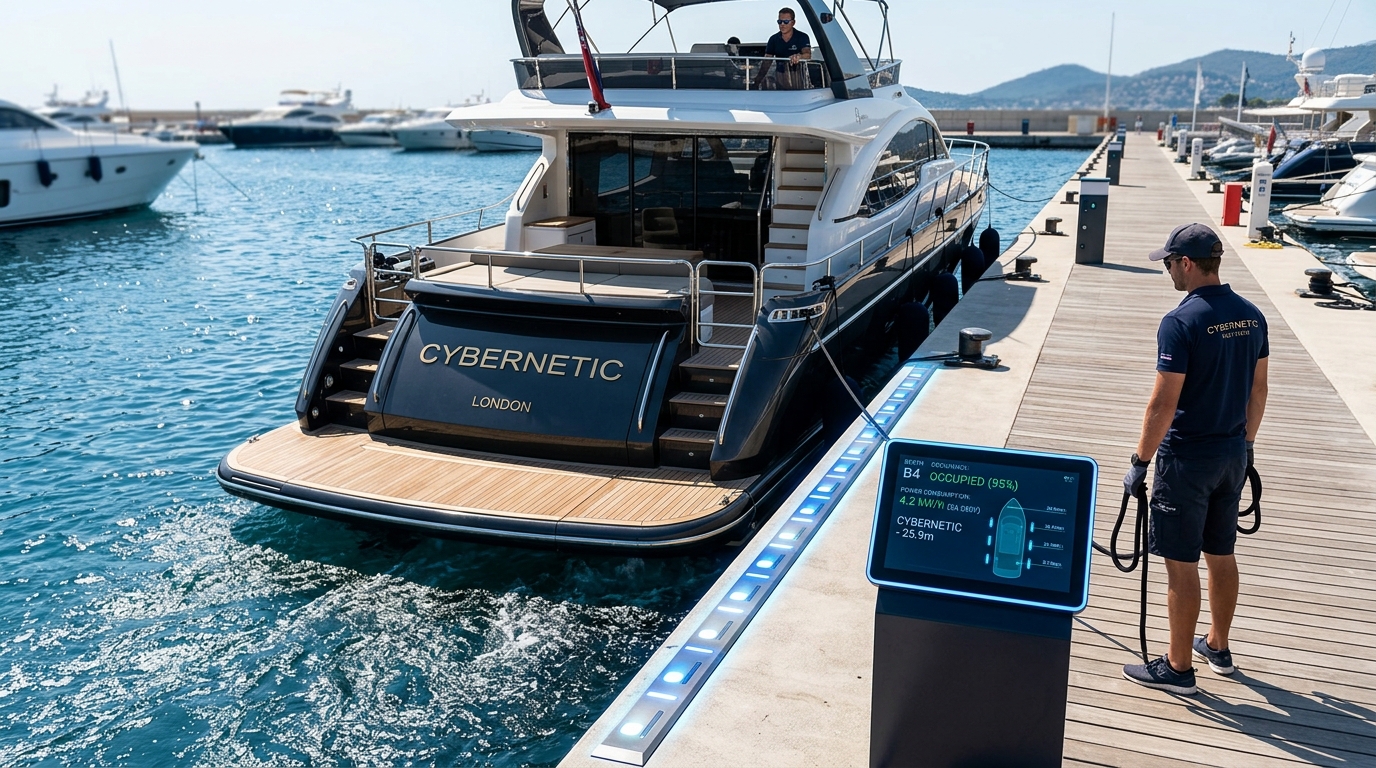
Why the Status Quo is Costing Your Marina Business
Operating a traditional harbor without integrated digital tools is like running an airport without a digital air traffic control system. When a marina operator relies on manual checks, they introduce several operational vulnerabilities. The most glaring of these is the visual blind spot. If a vessel departs early in the morning, its berth may sit empty for hours before staff notice, leading to missed opportunities to accommodate transient boaters. This directly hinders the optimization of marina occupancy, particularly during high-traffic weekends when every square foot of water is highly valuable.
Furthermore, manual reservation systems struggle to keep pace with dynamic changes. A typical harbor master must manually verify vessel draft, beam, and length overall (LOA) against slip dimensions before confirming a reservation. A single error in these calculations can lead to groundings, blocked channels, or damaged vessels. This high-friction workflow slows down the berth reservation process, leading to long hold times on the phone and delayed email responses that drive frustrated boaters toward more modern, responsive facilities.
By moving away from siloed spreadsheets and embracing a connected ecosystem, managers can automate these tedious verification checks. A modern platform ensures that every vessel is matched with a slip that matches its physical dimensions, shore power requirements, and access needs, allowing the team to focus on delivering premium hospitality on the docks rather than drowning in paperwork.
Orchestrating the Slip with Smart Docking
At its core, smart docking is the automated coordination of water-based logistics. It is the digital bridge connecting the boater's screen to the physical cleat on the dock. When a marina adopts this approach, the entire lifecycle of a vessel's stay is synchronized. The process begins long before the boat enters the channel. Through an integrated system, the boater can secure a guaranteed slip through an online marina booking portal, instantly inputting their boat details and payment information.
Upon arrival, the magic of automation becomes clear. Rather than clogging up the main channel while waiting for instructions, the skipper receives an automated check-in notification. The harbor staff, equipped with a digital dashboard, can see the boat's real-time approach. This allows the dock master to coordinate line-handlers, prepare utility connections, and ensure the slip is clear of debris or transient vessels. This level of synchronization reduces idle times, minimizes fuel emissions in tight fairways, and significantly lowers the risk of minor collisions during docking maneuvers.
Key features of a fully realized system include:
- Interactive Marina Map Views: Live visual representations of the harbor that update instantly when a vessel arrives or departs, giving staff a real-time layout of their entire property.
- Dynamic Utility Monitoring: Automatically linking pedestal power and water usage to the boater's digital profile for seamless, accurate billing.
- Intelligent Vessel Staging: Algorithmic suggestions for slip placement that keep fairways clear and group vessels of similar sizes logically.
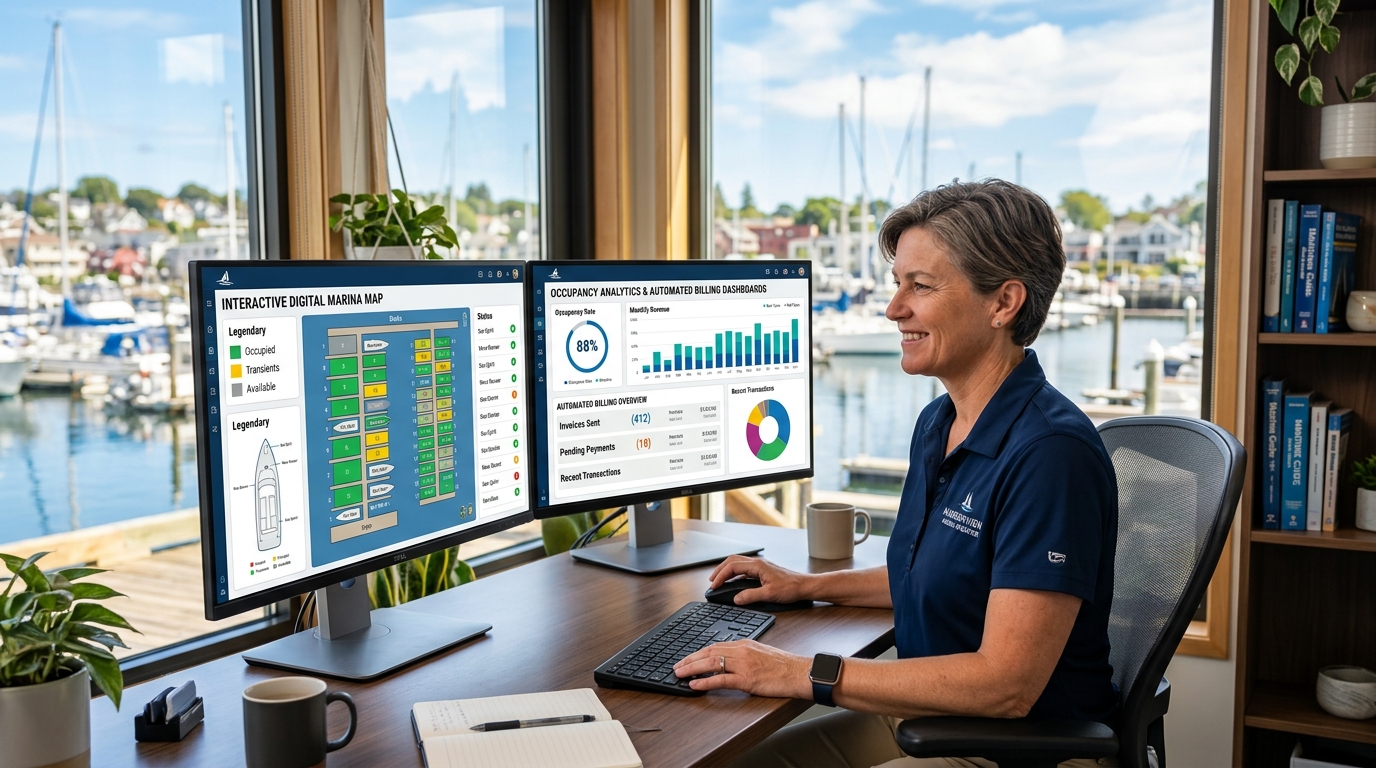
Dynamic Allocation and Real-Time Marina Occupancy
To truly maximize the profitability of waterfront space, marina managers must move beyond static seasonal leasing and treat slips as dynamic assets. Every hour a slip sits empty represents unrecoverable revenue. A modern digital platform solves this by enabling real-time inventory tracking. If a seasonal slip holder logs a departure for a weekend trip, the software instantly lists that specific slip as an available berth for rent to transient boaters.
This automated recycling of inventory drastically improves overall efficiency. The software handles the complex math, ensuring that the transient vessel's dimensions fit perfectly within the temporary opening and that the seasonal tenant is guaranteed their slip back upon their scheduled return. Let us look at how this operational shift looks in practice when compared to legacy systems:
- Legacy Method: Staff manually call seasonal owners to ask if they are away; transient boaters are turned away due to lack of known space; billing is handled manually via paper invoices.
- Smart Method: Automated check-outs trigger instant transient availability; boaters secure the berth online in seconds; payments are processed securely via platforms like Stripe.
- Legacy Method: Dock masters walk the docks daily with clipboards to verify empty slips, wasting valuable labor hours.
- Smart Method: Connected dashboards display live slip statuses, highlighting occupancy discrepancies instantly.
By using granular marina analytics, operators can identify historical booking patterns, peak utilization hours, and underperforming sections of their docks. This data empowers them to implement dynamic pricing strategies, adjusting rates for peak events, holidays, or specific vessel sizes to maximize yields without alienating loyal customers.
Expanding the Grid: The Private Dock Rental Revolution
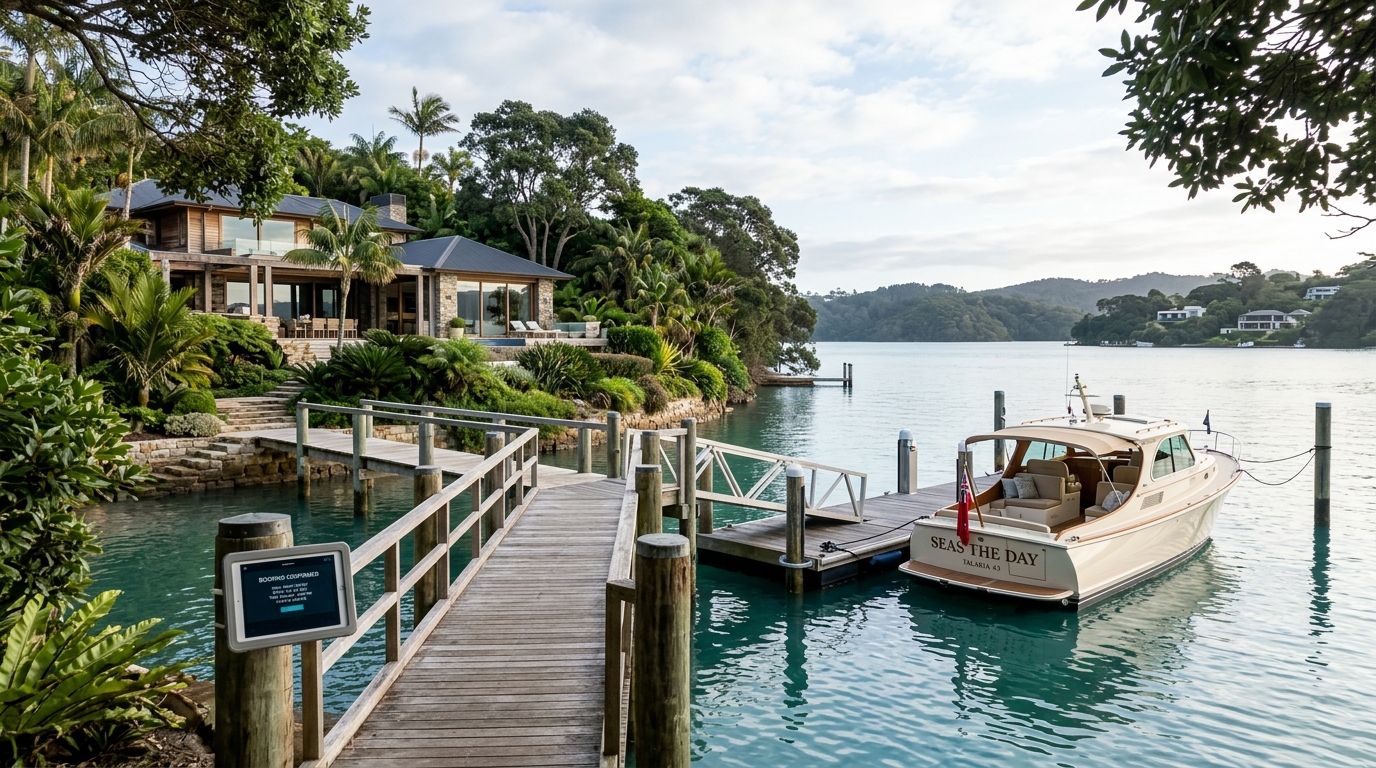
The transformation of modern marine logistics is not confined to large, commercial mega-marinas. The global shortage of boat slips has sparked a major movement toward utilizing private waterfront assets. Homeowners with private jetties, deep-water docks, or individual moorings represent a massive, untapped source of dockage. Through a digital marina marketplace, these private owners can now participate in the broader maritime ecosystem.
By listing a private dock rental online, a waterfront property owner can monetize their idle space while helping to alleviate the severe slip shortages felt in busy waterways. For boaters, this means access to unique, quiet mooring options that were previously hidden from the market. The software provides private owners with the same professional-grade tools used by commercial operators, including secure payment processing, identity verification, and structured booking management, making the process safe and straightforward for both parties.
This expansion of the digital grid creates a highly connected, resilient network of waterfront spaces. Whether a boater is looking for a five-star commercial resort slip or a quiet private dock for a weekend getaway, a unified digital platform makes finding, booking, and paying for dockage as simple as booking a vacation home online.
Practical Blueprints for Streamlining Modern Marine Logistics
Transitioning your waterfront operations to a digital-first model does not have to be an overwhelming process. Successful implementation lies in taking a structured, step-by-step approach to change management. Here is a practical framework for marina managers ready to upgrade their infrastructure:
- Audit Your Existing Infrastructure: Evaluate your current physical assets, including Wi-Fi coverage, power pedestals, and dock layouts, to identify any physical constraints to digitization.
- Prioritize staff training: Shift the internal mindset from administrative tasks to hospitality by showing dock staff how mobile dashboards reduce manual paperwork and phone fatigue.
- Consolidate Your Software: Avoid fragmented tools. Choose a unified, cloud-based platform that combines booking, slip allocation, payment processing, and customer communication into a single interface.
- Empower Your Customers: Give boaters control over their experience by providing self-service tools for reservations, payment updates, and maintenance requests.
By focusing on these core areas, waterfront managers can confidently future-proof their business, ensuring they remain competitive, safe, and highly profitable for years to come.
Frequently Asked Questions
What is smart docking and how does it benefit a small marina?
Smart docking is the integration of digital tools and automation to coordinate vessel arrivals, slip assignments, and billing. Even for small marinas, it eliminates manual errors, saves labor hours, and ensures that transient slips are fully utilized, driving up daily revenue.
How can software help improve my marina occupancy rates?
By tracking slip vacancies in real time, the software can instantly list open berths to a global marketplace. When a permanent tenant leaves for a weekend, the system automatically opens that slip for transient rental, ensuring your docks remain full and productive.
Are online marina booking systems secure for large transactions?
Yes. Modern marine platforms utilize top-tier, secure payment gateways like Stripe. This ensures that deposit payments, seasonal leases, and utility billings are encrypted, protecting both the marina's revenue and the boater's sensitive financial data.
Can private dock owners legally list their jetty for rent?
In most regions, private property owners can rent out their docks, though local municipal bylaws, HOA rules, and environmental regulations should always be verified. Utilizing a professional booking platform helps ensure structured rental agreements and clear liability terms.
Does adopting new software require replacing all our physical docks?
Not at all. Modern management platforms are designed to sit on top of your existing physical layout. You do not need to replace your concrete docks; the software simply digitizes your current map, making it easy to manage your layout online.
How does real-time analytics improve daily harbor operations?
Analytics reveal trends in peak booking hours, seasonal preferences, and slip size demand. This allows harbor masters to adjust staffing levels, schedule maintenance during slow periods, and optimize pricing to match actual market demand.
Conclusion: The Horizon of Smarter Seaways
The maritime industry is standing on the edge of a major digital transformation. The days of treating docks as disconnected pieces of wood and concrete are coming to an end. Embracing smart docking is no longer a luxury reserved for mega-yacht ports; it is an operational necessity for any waterfront business looking to thrive in a highly connected world. By integrating real-time data, automated bookings, and unified marketplaces, we are building a more efficient, accessible, and enjoyable boating ecosystem for everyone.
Whether you manage a bustling commercial harbor, a historic yacht club, or a single private slip, the pathway to optimization is clear. Platforms like Marina Match are building the global digital infrastructure that unites boaters, commercial operators, and private dock owners into a seamless marine network. By unlocking the power of digital management, we can ensure that every vessel finds its perfect berth, and every waterfront asset reaches its full potential. Explore how Marina Match can elevate your daily operations and transform your harbor today.
SEO Metadata
- Suggested URL Slug: smart-docking-harbor-logistics
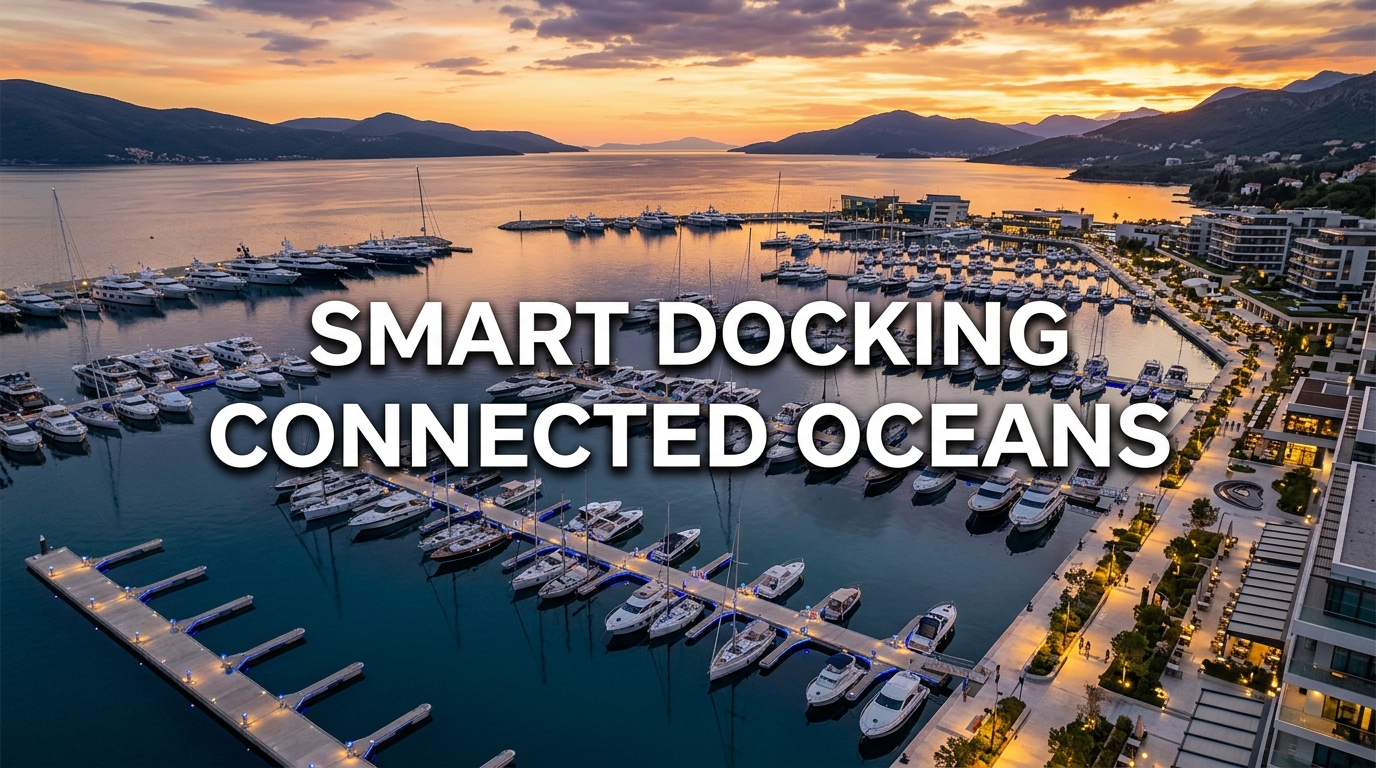
- Featured Image Description: A modern, high-tech marina with illuminated concrete docks, organized yachts, and a clean digital layout of boat berths showing real-time occupancy.
- Alt Text: An organized smart marina at sunset highlighting automated docking logistics and boat berths for rent.
- Social Media Summary: Is your harbor ready for the digital age? Discover how smart docking and real-time logistics are reshaping modern marina operations. Learn how to eliminate manual friction, optimize your occupancy rates, and turn empty slips into active revenue streams with the power of the global Marina Match network.
Recent Blogs