

Empowering Modern Waterways: How a Digital Marina Unifies Operators and Boaters
Waterfront management has historically been defined by local, isolated operations. For decades, harbor masters, yacht club committees, and private dock owners relied on physical whiteboards, static spreadsheets, and manual logbooks to coordinate vessel arrivals. While these analog tools served their purpose in a less connected era, they are no longer sufficient to meet the demands of modern boating. Today, boaters expect instant access, real-time communication, and seamless transactions.
The transition toward a fully integrated digital marina is no longer a futuristic concept; it is a current operational standard. By centralizing management, logistics, and boat safety into a unified cloud ecosystem, marinas can eliminate administrative bottlenecks, minimize human error, and unlock hidden revenue. This guide explores the tangible benefits of digital transformation, the mechanics of automated space allocation, and why modern marine businesses are migrating to connected platforms.
The Operational Divide: Why Traditional Systems Fall Short
Running a successful marine facility is a balancing act. On any given day, a marina operator must manage transient stays, process long-term lease renewals, track utility usage, coordinate dry stack machinery, and keep docks safe. When these tasks are managed through fragmented, offline systems, operational friction is inevitable.
Traditional management systems often suffer from several critical vulnerabilities:
- Invisible Inventory: If a slip is empty because a seasonal holder is away cruising, that space remains unmonetized unless the dock master manually tracks the vacancy and coordinates a transient stay.
- Communication Silos: Boaters are forced to make multiple phone calls or send emails just to inquire about a short-term berth reservation, leading to lost business and administrative strain.
- Suboptimal Slip Allocation: Manually matching a yacht’s length overall (LOA), beam, draft, and electrical requirements to an available berth is a complex puzzle. Mistakes can result in damaged vessels, safety hazards, or underutilized space.
- Fragmented Payments: Handling cash, taking credit card details over insecure phone lines, or waiting for manual bank transfers increases security risks and delays cash flow.
To bridge these gaps, forward-thinking operators are looking beyond standalone desktop software. They are embracing connected ecosystems that link internal management directly to external consumer marketplaces.
Harnessing the Power of a Connected Digital Marina
At its core, a digital marina is a centralized ecosystem where every asset—from wet slips and moorings to dry storage racks and private jetties—is tracked in real time. Rather than treating dock management and customer communication as separate tasks, a connected platform unifies them.
This transition introduces live berth availability to the public, transforming how boaters discover and book space. Instead of hoping a harbor has room, a boater can open an interactive marina map, check live availability, and secure a spot instantly. For the marina operator, this means automated updates: the moment a berth is booked online, the dock master dashboard updates instantly, preventing double-bookings without requiring manual data entry.
This level of connectivity is particularly valuable for yacht club management. Yacht clubs often manage a complex mix of member-owned slips, guest berths, and club-owned reciprocal spaces. Transitioning to a digital framework allows club administrators to easily manage member directories, automate waitlists, and offer streamlined booking tools to visiting cruisers, all while maintaining the exclusivity of their membership policies.
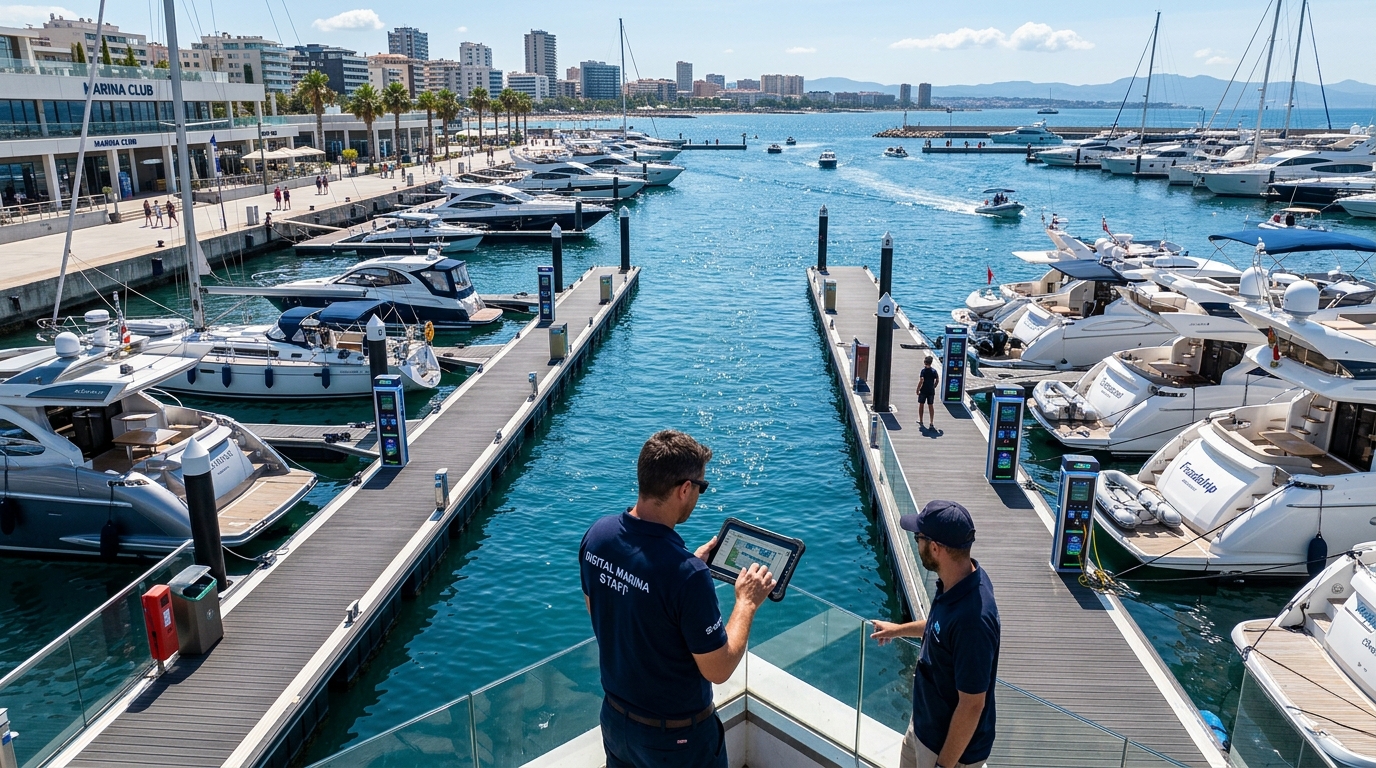
Streamlining Operations with AI Booking and Intelligent Automation
As marinas grow, managing physical space becomes increasingly complex. This is where AI booking technology changes the game. Rather than relying on staff to manually solve the daily puzzle of slip assignments, intelligent algorithms can optimize dock space automatically.
An advanced system analyzes a variety of parameters in milliseconds to determine the best possible layout for arriving vessels:
- Physical Constraints: The vessel’s length, beam, draft, and displacement.
- Utility Requirements: Access to specific shore power configurations (e.g., single-phase vs. three-phase power) and water connections.
- Arrival and Departure Sequencing: Ensuring that larger boats do not block smaller vessels, and that transient turnarounds run smoothly.
- Dynamic Pricing Optimization: Adjusting slip rates automatically based on seasonal demand, local events, and historical occupancy metrics to maximize yield.
Automation also simplifies the frustrating process of managing waitlists. Traditional waitlists require staff to manually call boaters one by one when a slip becomes vacant. With an automated waitlist, the platform identifies the next suitable vessel on the list, sends an automated SMS or email offer, and handles the berth booking and payment automatically if accepted. If the boater declines, the system seamlessly moves to the next candidate, keeping occupancy high with zero administrative overhead.
Unlocking New Revenue Streams via the Marina Marketplace
The digital evolution of waterfronts extends far beyond commercial basins. Private waterfront property owners, yacht syndicates, and commercial operators with underutilized space can now participate in a shared economy through a global marina marketplace.
For private jetty and private dock owners, empty moorings represent lost passive income. By listing a private dock rental or a personal berth for rent on a trusted marketplace, individuals can safely monetize their idle assets. This peer-to-peer sharing model increases the overall supply of available berths in high-demand areas without requiring costly environmental assessments or new concrete construction.
To build a secure, reliable marketplace, trust must be designed into the platform. This is achieved through robust verification processes and integrated Stripe secure payments. Boaters can book with confidence, knowing their financial transactions are protected, while dock owners receive guaranteed payments directly to their bank accounts without chasing invoices.
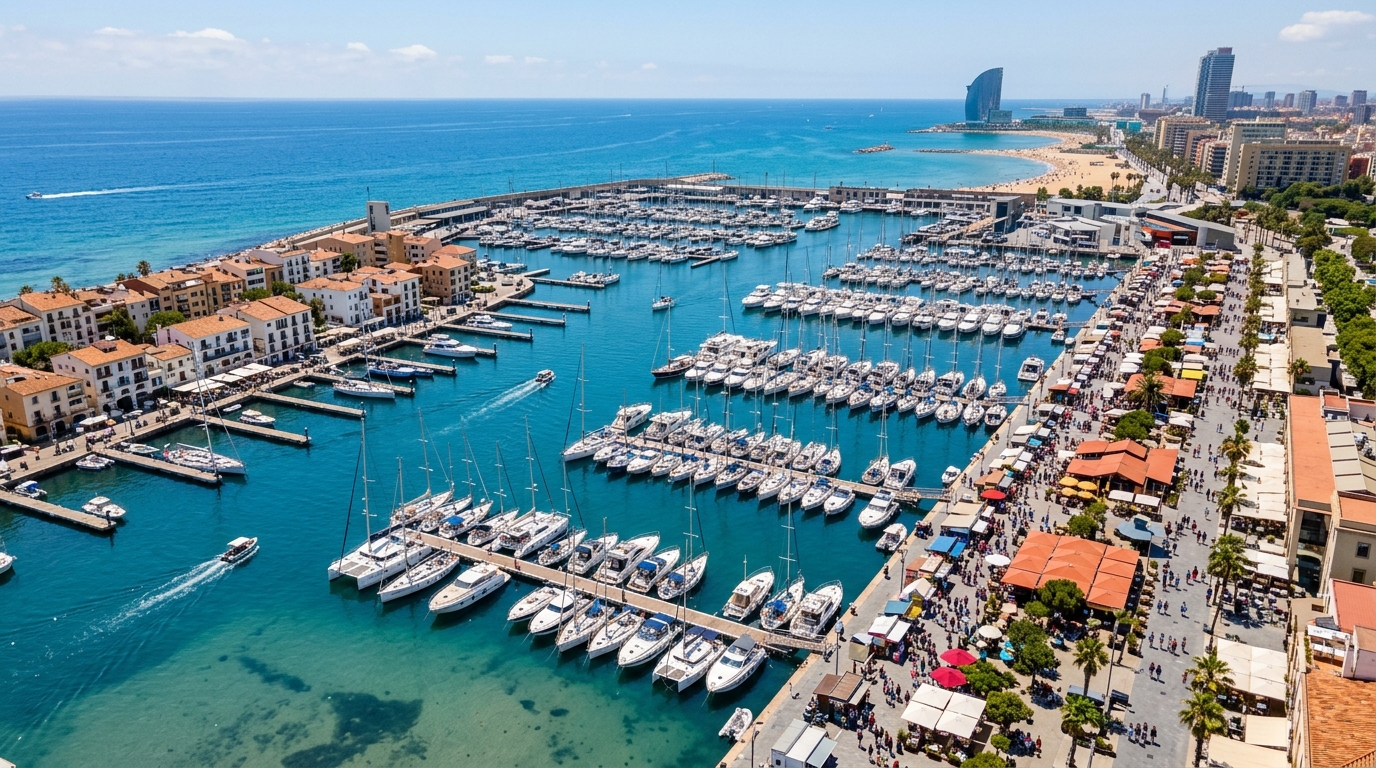
Why Marina Match is Building the Infrastructure for Tomorrow’s Boater
While many software solutions focus solely on back-of-house operations or purely consumer-facing booking sites, Why Marina Match is proving to be the platform of choice is its ability to bridge this gap completely. It builds the infrastructure that unites operators, private dock owners, and boaters into a singular, highly efficient marine ecosystem.
Whether you manage a multi-basin commercial facility or want to list a single private jetty, the platform offers a suite of integrated tools designed for the modern waterfront:
- Interactive Marina Map View: Gives operators and boaters a real-time, visual representation of dock status, vessel locations, and slip availability.
- Dock Master Dashboard: A comprehensive control center that allows marina managers to oversee daily arrivals, utility usage, billing, and customer requests from any desktop or mobile device.
- Boater Dashboard: A personal portal where vessel owners can manage their profiles, store insurance documents, track booking history, and secure transient berths instantly.
- In-Depth Marina Analytics: Generates automated reports on seasonal occupancy, revenue patterns, and payment trends, allowing operators to make data-backed business decisions.
By bringing these features together, the platform reduces administrative burdens, boosts local tourism, and ensures that no berth sits empty during peak cruising seasons.
Comparing Legacy Management Tools with Modern Connected Platforms
Understanding the difference between traditional management methods and a modern, integrated platform is crucial for operators planning their next upgrade. Below is a structured comparison of key operational areas:
Booking and Reservations
Legacy Systems: Relies on phone calls, manual emails, and paper logs. Staff must manually check paper charts or spreadsheets to verify availability, creating delays and room for error.
Modern Connected Platforms: Features instant online booking with live berth availability. Boaters can search, book, and pay in under two minutes, with immediate system updates.
Space and Slip Allocation
Legacy Systems: Manual matching based on memory or basic spreadsheets. Often results in underutilized space or safety issues when drafts or beams are miscalculated.
Modern Connected Platforms: Powered by smart spatial algorithms and AI booking engines that automatically place vessels based on precise dimensions, utilities, and departure dates.
Private Asset Management
Legacy Systems: No real way for private owners to safely list or lease their private dock rental spaces. Heavy reliance on local classified ads or word-of-mouth.
Modern Connected Platforms: Fully integrated marketplace where private jetty and dock owners can list berths for rent or sale, protected by verified profiles and secure payments.
Data and Reporting
Legacy Systems: Scattered files or basic local database exports. Generating a simple report on seasonal occupancy requires hours of spreadsheet compilation.
Modern Connected Platforms: Real-time marina analytics with a clean dashboard displaying revenue metrics, average stay durations, occupancy rates, and future financial forecasts.
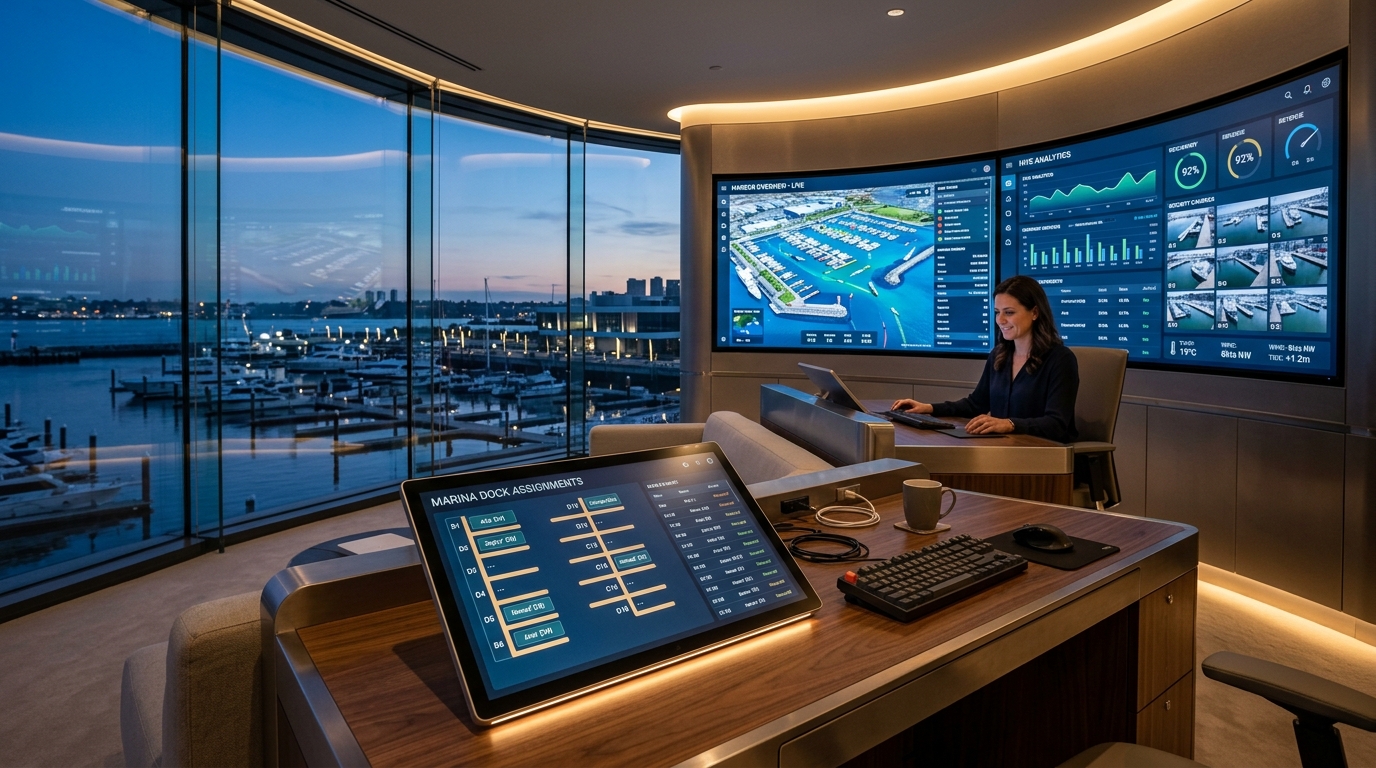
The Future Outlook: Towards a Connected Global Marina Network
As maritime technology matures, individual harbors will increasingly connect to form a cohesive global marina network. In this connected future, boaters will no longer plan their journeys around isolated stops. Instead, their onboard navigation systems will communicate directly with shoreside infrastructure.
As vessels travel along the coast, automated telemetry will update digital marinas on their estimated time of arrival (ETA). If a vessel is delayed by weather, the smart docking platform will adjust slip allocations in real time, shifting a transient reservation down the schedule and notifying the dock master of the change. By sharing secure, anonymized logistics data, the entire marine industry will experience smoother transit times, safer harbors, and optimized fuel efficiency.
Frequently Asked Questions
What is a digital marina and how does it work?
A digital marina is an interconnected waterfront management system that uses cloud-based software, interactive mapping, and real-time data to coordinate slip availability, online booking, and administrative tasks. It replaces paper logs and offline spreadsheets with a single dashboard accessible by both staff and boaters.
How does AI booking improve slip occupancy rates?
AI booking uses intelligent spatial algorithms to automatically calculate the best possible slip arrangement based on vessel length, beam, draft, and utility needs. By optimizing the physical layout of the harbor and instantly processing cancellations through automated waitlists, it ensures maximum slip occupancy.
Why Marina Match instead of traditional local management software?
Unlike traditional systems that only handle basic internal billing, Marina Match bridges the gap between operations and discovery. It combines a powerful Dock Master Dashboard with a public-facing marketplace, allowing you to manage your daily marina operations while opening your slips to a global network of boaters.
Can private dock owners list their berths for rent on your platform?
Yes. Private jetty and dock owners can easily list their spaces for short-term rental or long-term lease. The platform manages the entire booking process, checks boater profiles, and handles payments securely, turning idle private waterfront assets into reliable revenue streams.
How secure are online payments for berth bookings?
All transactions processed through the platform utilize Stripe secure payments, an industry-leading payment gateway. This ensures that credit card details are fully encrypted and payouts are sent directly to operators and private owners safely and reliably.
What are the operational benefits of an automated marina waitlist?
An automated waitlist eliminates the need for staff to manually contact boaters when a booking is canceled. The system automatically offers the open slip to the next eligible boater on the list via SMS or email, processes their payment, and updates the dock layout in seconds.
Navigating the Next Wave of Waterfront Management
The digitization of the marine industry is not just a matter of convenience; it is an essential step toward building a sustainable, profitable, and accessible waterfront ecosystem. By replacing fragmented, analog systems with a unified digital marina platform, operators can cut administrative overhead, maximize occupancy, and deliver the seamless experiences that modern boaters expect.
Whether you are a commercial marina manager looking to optimize your slip allocation, a yacht club commodore streamlining guest registrations, or a private waterfront property owner wanting to safely monetize your jetty, the tools you need are ready. Explore the future of connected boating and see how adopting modern management software can transform your waterfront operations. Visit Marina Match today to experience a smarter way to manage, discover, and book berths worldwide.
Recent Blogs


September 15, 2026
Designing the Automated Marina: A New Era for Jetty Rental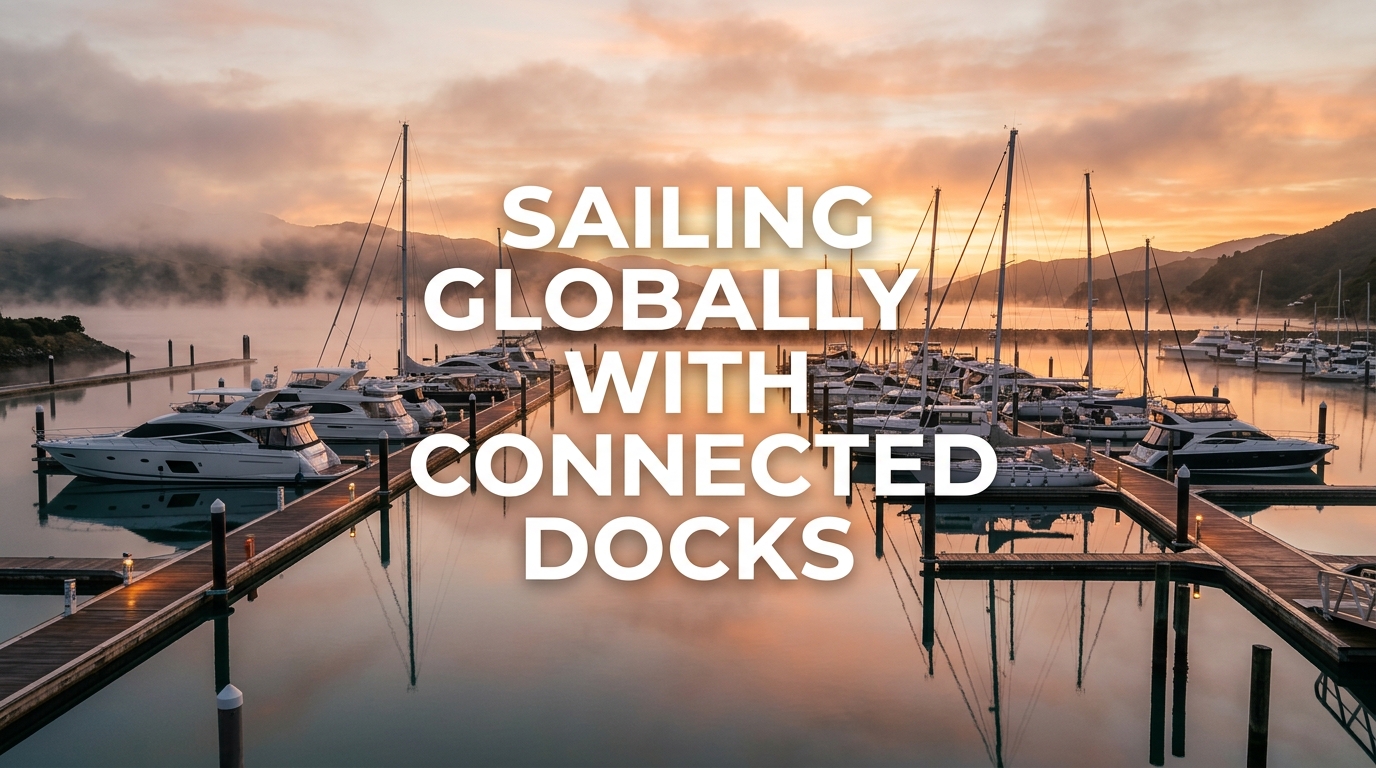
September 13, 2026
Sailing Globally: The Value of a Global Marina Network