Expanding Access: Why a Marina Network Matters Today
The Waterway Bottleneck: Static Infrastructure Meets Soaring Demand
The global boating community is experiencing an unprecedented era of growth. Across international coastlines, more people are taking to the water than ever before, seeking recreation, adventure, and the unmistakable freedom of the marine lifestyle. However, this maritime boom has collided head-on with a stark physical reality: our coastal waterways are running out of physical space. Traditional dock infrastructure is heavily congested, and building new commercial slips can take years due to strict environmental zoning, high capital requirements, and intense regulatory scrutiny.
For the average marina operator, managing daily logistics has become a high-stakes balancing act. Slip space is finite, and during peak holiday weekends or major regional regattas, local demand exponentially exceeds physical capacity. Historically, expansion meant embarking on multi-million dollar dredging and construction projects. In today's highly regulated coastal environments, such projects are often financially or environmentally prohibitive, leaving operators with a static footprint while the market of eager boaters continues to grow.
Yet, while commercial docks remain packed to capacity, a massive parallel market of underutilized assets sits completely silent. Thousands of residential waterfront properties feature a private jetty, a private dock, or a private mooring that remains empty for weeks or months at a time. This stark divide—where commercial slips are heavily over-allocated while private infrastructure lies dormant—highlights a major systemic inefficiency in the recreational boating industry. To keep our oceans accessible and our coastal economies thriving, the marine industry must transition from physical expansion to digital optimization, building a unified ecosystem that connects these fractured assets.
The Power of a Unified Marina Network
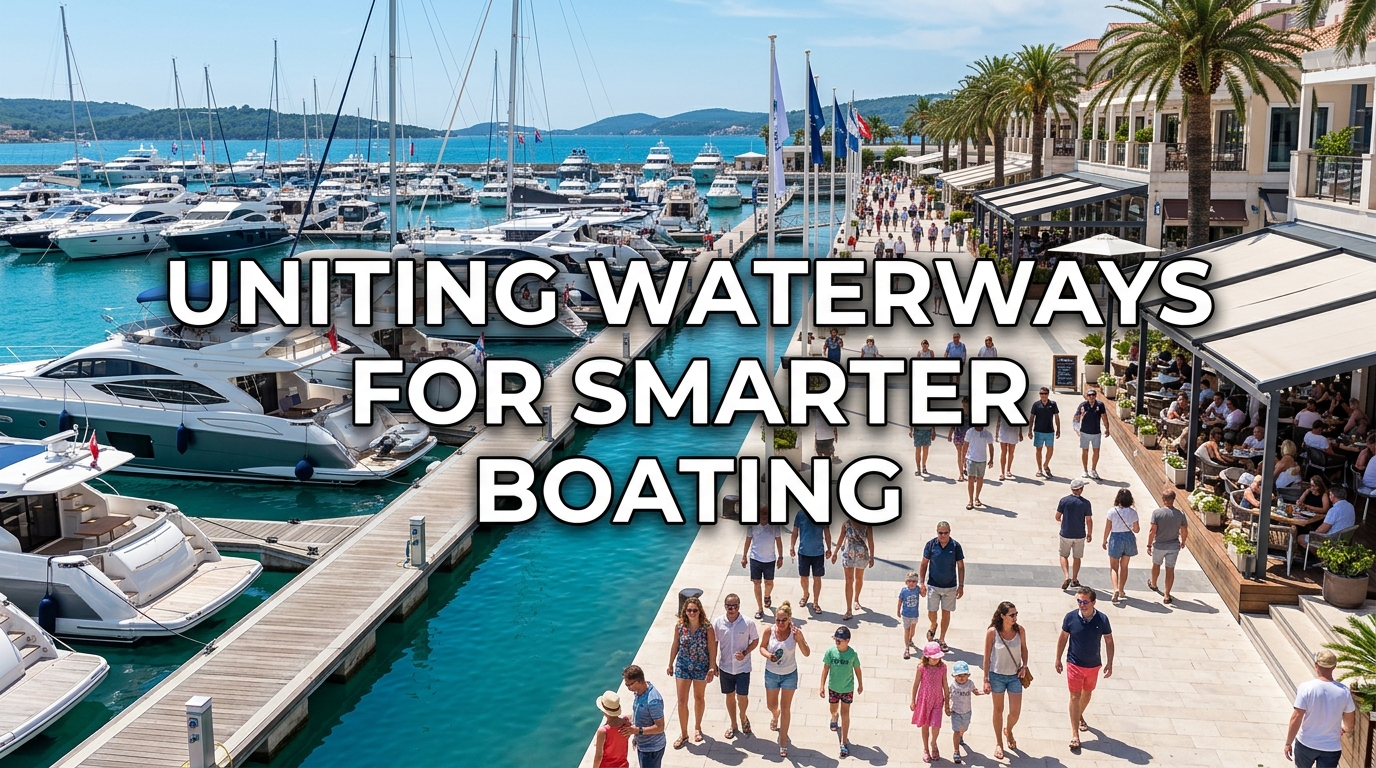
A collaborative, digitally connected marina network transforms this fragmented landscape into a cohesive and fluid ecosystem. Instead of treating commercial marinas and private residential docks as entirely separate markets, a shared digital platform unifies them under a single virtual roof. This integration allows boaters to view real-time berth availability across an entire region, seamlessly blending commercial slips with available private options.
For boaters, this means fewer frantic phone calls and less anxiety about finding a safe harbor at the end of a long cruise. For the broader industry, a global network introduces much-needed flexibility. When a sudden storm approaches or a major marine festival draws hundreds of vessels to a single harbor, having a dynamic network of alternative docking options protects both boaters and their investments. Rather than turning away visiting yachts because the local commercial harbor is full, the region can absorb the influx by routing vessels to nearby verified residential docks.
This network model also fosters a highly cooperative marine community. When a commercial marina coordinates with local private hosts, the entire region wins. Boaters spend more time in the area, fueling their vessels, dining at local waterfront establishments, and seeking professional maintenance services. Far from introducing unwanted competition, a shared network expands the total economic value of the local boating ecosystem, ensuring that physical space constraints do not limit regional maritime tourism.
Activating Underutilised Waterfront Assets
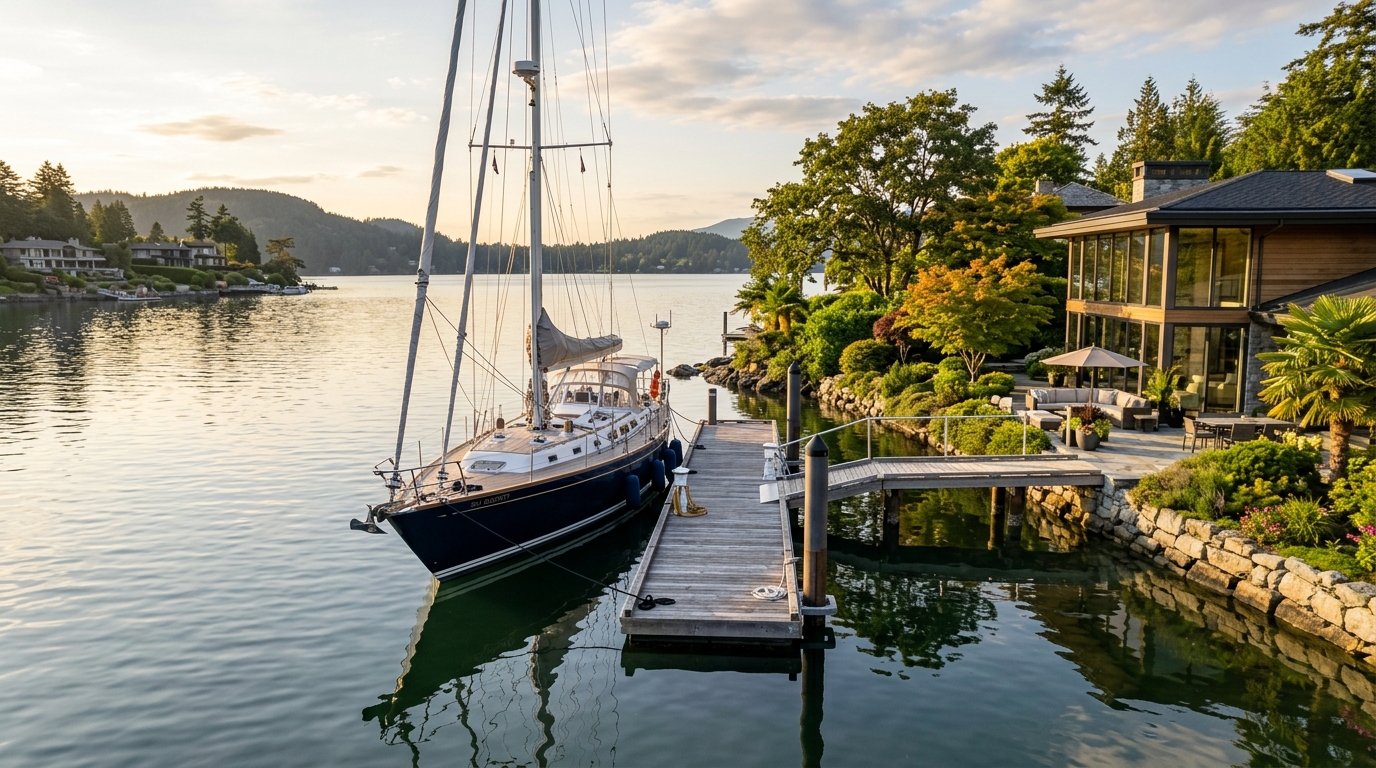
The key to unlocking this dormant potential lies in the structured digitization of the private market. For waterfront homeowners, an empty dock or a secure swing mooring represents wasted opportunity. By participating in a structured private berth rental market, these property owners can directly support their local boating community while generating a steady stream of passive income to offset the high costs of waterfront property maintenance.
Historically, renting out a private dock was a high-friction process fraught with uncertainty. Property owners worried about liability, payment disputes, and the logistics of verifying that an incoming boat would actually fit their space. Today, modern platforms eliminate these barriers. Private hosts can specify exact parameters for their listings, including maximum vessel length, beam, draft, and electrical hookup capabilities (such as 30-amp versus 50-amp shore power). They can also outline specific house rules regarding noise, boarding access, and pet policies.
This structured approach transforms the traditional private dock rental experience into a professional, secure transaction. Property owners gain complete control over who docks at their property, while boaters gain access to clean, quiet, and secure berthing options that were previously invisible to the public. Whether it is a temporary overnight stopover or a long-term seasonal lease, activating these private spaces creates a win-win scenario for waterfront communities worldwide.
Frictionless Travel via Online Marina Booking
In our everyday lives, we expect to book hotels, flights, and rides instantly with a few taps on a screen. Historically, reserving a boat slip has felt stuck in the past, often requiring VHF radio calls, endless games of phone tag, and manual paper logbooks. Modernizing this workflow through streamlined online marina booking is essential for attracting and retaining the next generation of digital-first boaters.
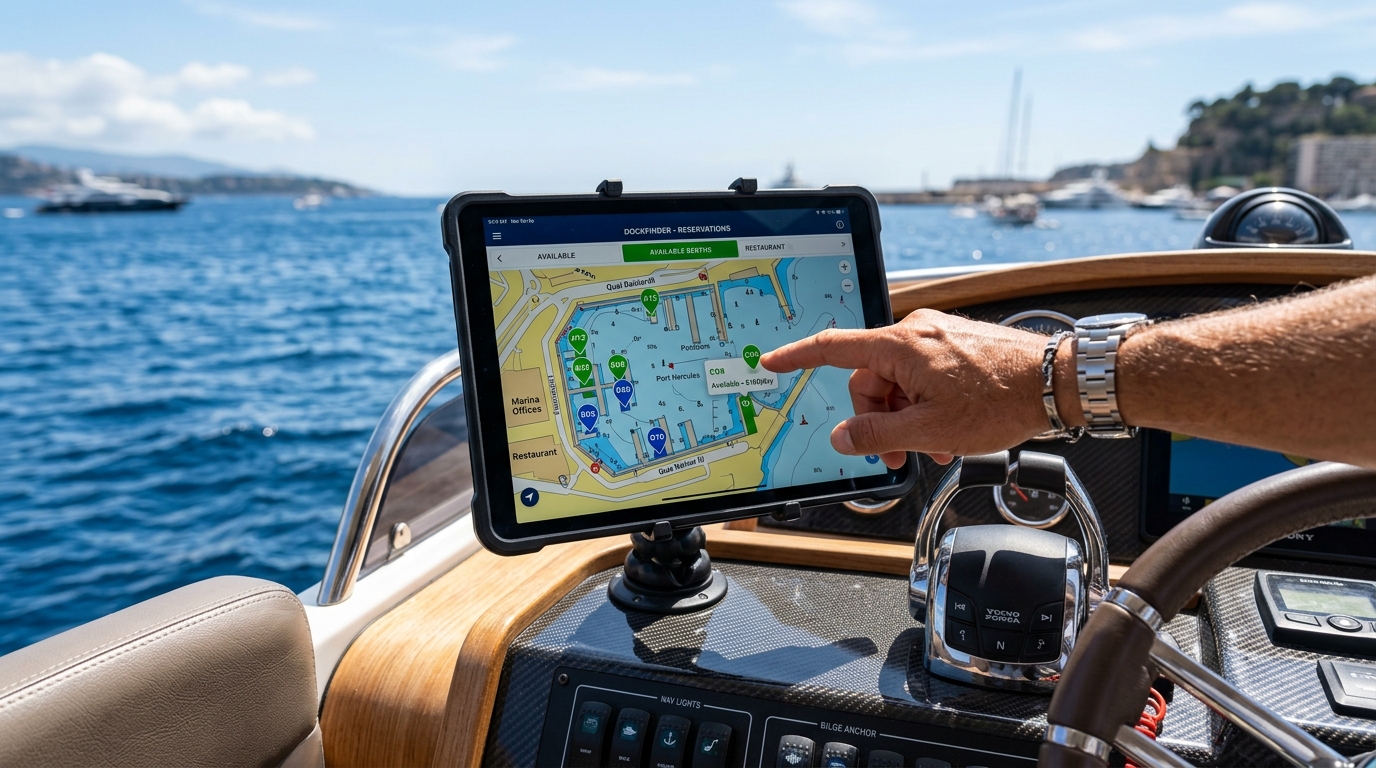
When commercial operators and private hosts list their inventory on a unified platform, the reservation process becomes completely frictionless. Boaters can utilize an intuitive Marina Map View to locate available slips, compare amenities, check pricing, and secure their reservation instantly. This level of convenience encourages longer cruising trips and more frequent travel, directly boosting local waterway utilization.
Crucially, integrating secure transaction processing engines like Stripe Secure Payments removes the awkwardness of collecting fees manually. Boaters pay securely upfront, and funds are automatically routed to the marina operator or private host. This level of transactional security eliminates the risk of
Do you run a marina or own a berth?
Reach boat owners searching for berths. Listing is free.
Recent Blogs
October 9, 2026
Expanding Access: Why a Marina Network Matters Today
October 7, 2026
Leveraging Shared Assets: Rent My Jetty to Boost Revenue
October 3, 2026
Managing Swing Moorings with Smart Marina Software