Designing Automated Marina Booking Cancellation Rules: How AI Customer Service Protects Dock Revenue
Unplanned vessel cancellations during peak boating seasons present a double risk for marina managers: empty berths generate zero slip fee yield, while front-desk staff spend valuable hours processing refund requests and manually updating berth sheets. Establishing clear marina booking cancellation policies backed by automated marina bookings and AI customer service for marinas allows harbour operators to maintain predictable cash flow while delivering clear, professional answers to visiting skippers 24/7.
The Operational Challenge of Transient Slip Cancellations
Transient boaters face unpredictable weather patterns, mechanical faults, and changing cruising itineraries. When a skipper cancels an overnight or weekly reservation at short notice, marina teams are caught between enforcing strict refund terms and maintaining positive customer relationships. Without automated workflows, harbour staff must evaluate refund requests case by case, check paper or spreadsheet logs for waitlists, and re-advertise vacant berths across isolated listing channels.
Manual processing of marina booking cancellation policies frequently leads to three key vulnerabilities:
- Revenue leakage: Prime berths remain empty because late cancellations are not re-listed immediately on live booking engines.
- Administrative friction: Dockmasters spend peak operational hours answering phone calls and emails regarding weather exceptions and deposit refunds.
- Inconsistent enforcement: Discretionary policy waivers create confusion among vessel owners and make financial forecasting inaccurate.
Structuring Tiered Marina Booking Cancellation Policies
Effective cancellation rules balance flexibility for boaters with financial protection for the marina asset. Rather than applying a single rigid rule, leading waterfront facilities implement tiered policies based on notice periods, booking duration, and peak season demand cycles.
1. Standard Advance Notice Tiers
For standard transient rentals outside major holiday events, tiered timelines allow boaters to recover a portion of their booking deposit while giving the marina sufficient notice to re-fill the berth:
- More than 14 days notice: Full refund minus a nominal administrative processing fee (e.g., $25 AUD).
- 7 to 14 days notice: 70% refund or 100% credit applied toward future berthing within a 12-month window.
- 48 hours to 7 days notice: 50% refund, provided the slip fee deposit is retained to cover immediate holding costs.
- Under 48 hours notice or no-show: Deposit forfeited in full, unless severe weather warnings prevent safe vessel passage.
2. Severe Weather and Force Majeure Protocols
Unfavourable sea conditions represent the most common cause of last-minute cancellation requests. Standardising weather clause triggers—such as official Bureau of Meteorology gales, severe weather warnings, or closed harbour bars—removes guesswork. If official maritime warnings prohibit vessel navigation, offering an automatic account credit for future dates preserves goodwill without forcing instant cash refunds during storm events.
Integrating AI Customer Service for Marinas into Booking Workflows
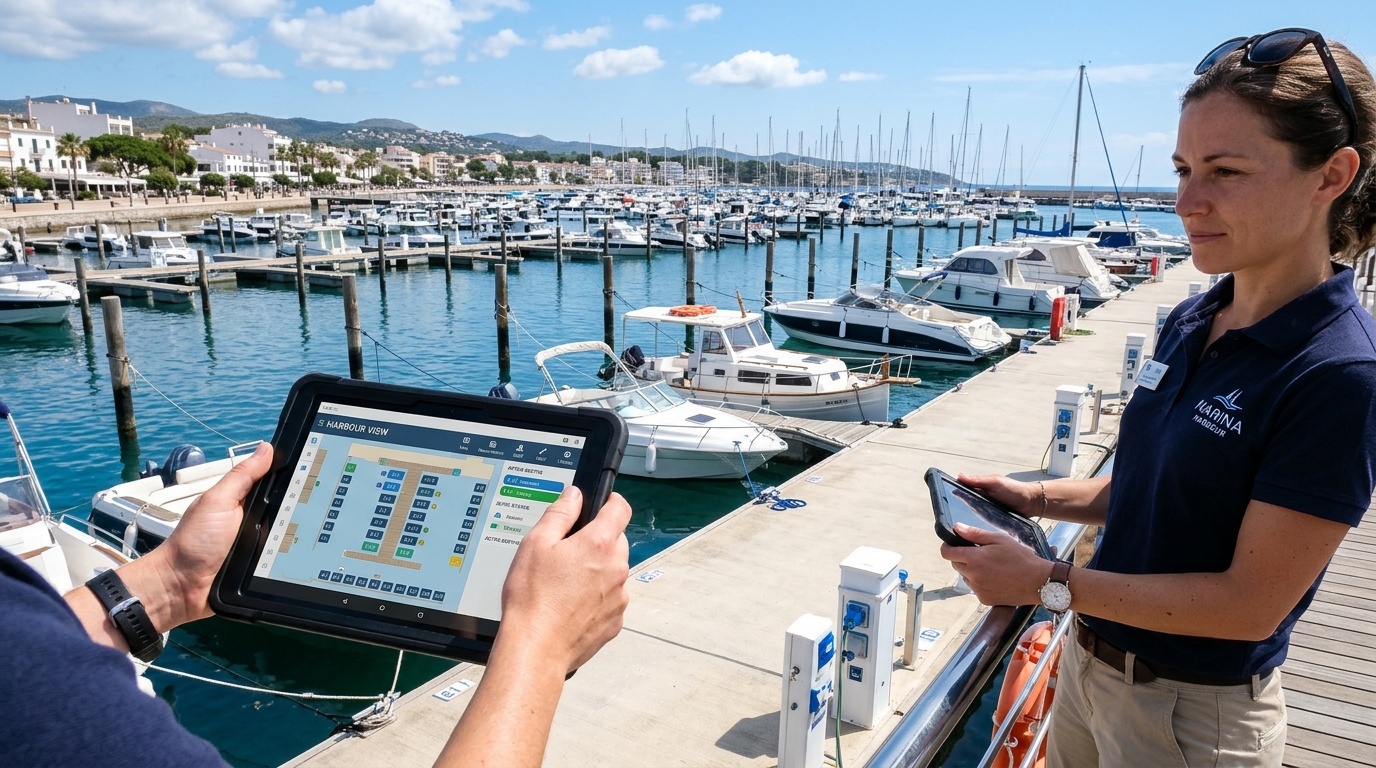
Modern AI customer service for marinas transforms how cancellation requests are handled. Rather than requiring skippers to call the marina office during limited business hours, natural-language AI agents interact directly with boaters via messaging channels, website chat widgets, or email portals.
When a vessel owner requests a cancellation, the AI assistant performs several automated verification steps:
- Identity and booking validation: The AI verifies the skipper's registration details, vessel length, beam width, and confirmed arrival dates against live marina management software.
- Policy logic enforcement: The system automatically calculates the applicable refund tier or credit balance based on the exact time stamp and active rate card terms.
- Document processing: If weather or mechanical exemptions are claimed, the AI prompts the skipper to upload supporting documentation, such as harbour master weather alerts or mechanic service receipts.
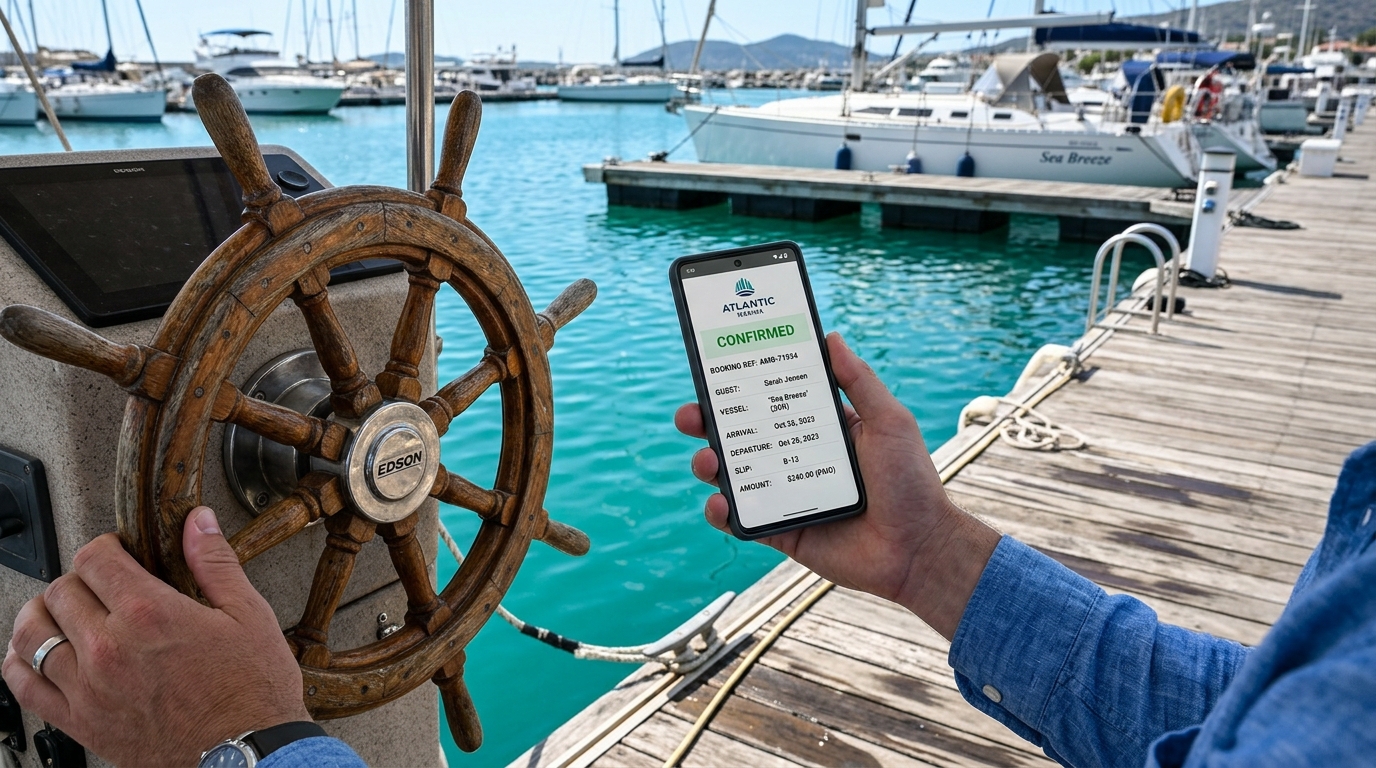
- Instant notification: The boater receives immediate confirmation of their cancellation status, refund calculation, or credit voucher, eliminating back-and-forth email trails.
Automated Marina Bookings and Live Inventory Re-Allocation
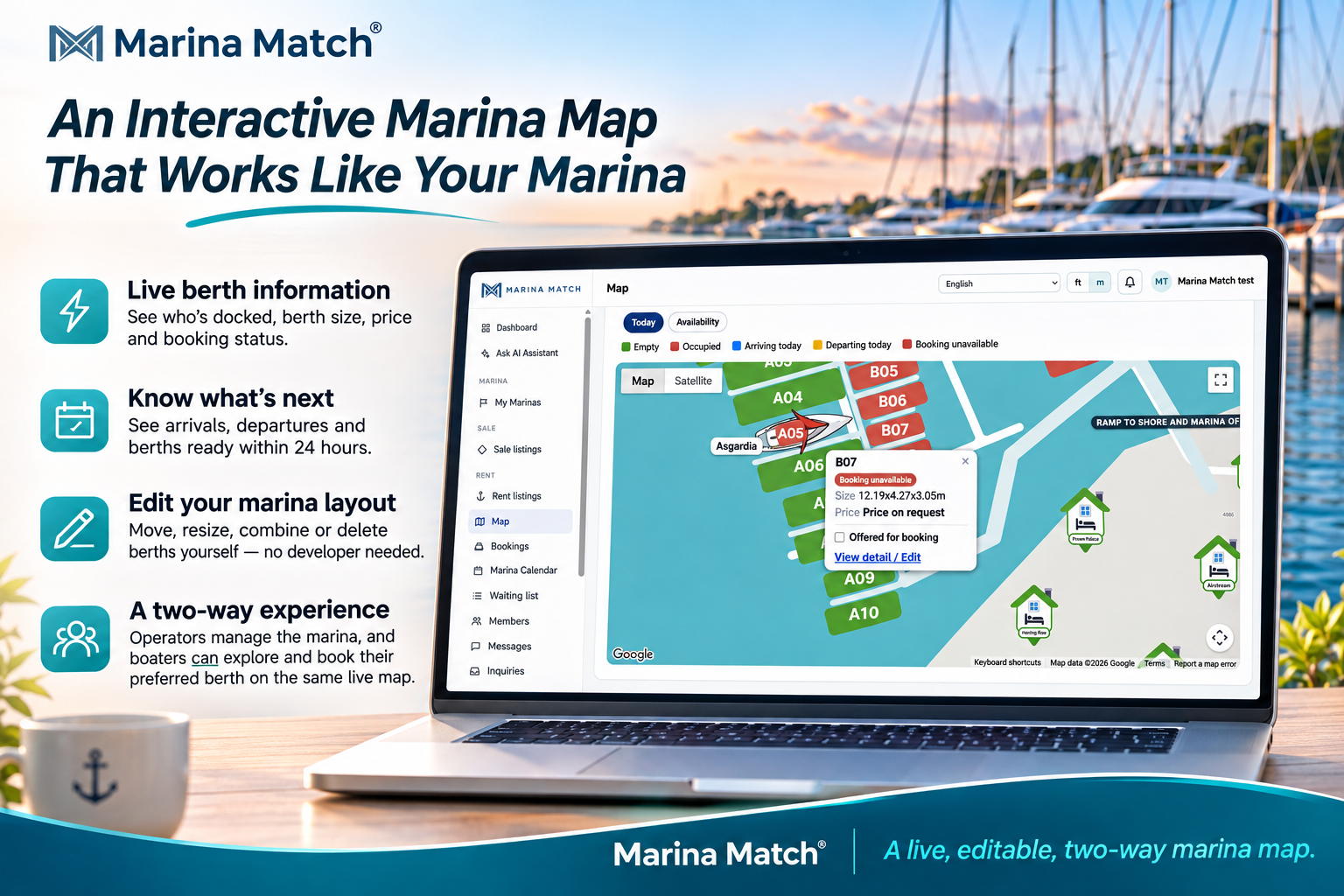
Setting cancellation rules is only half the solution; instantly restoring cancelled berths to available inventory completes the revenue loop. Automated marina bookings ensure that the moment a transient slip is cancelled, the underlying database updates berth maps across all digital sales channels.
When a slip becomes vacant, automated systems trigger immediate background re-allocation routines:
Operational Comparison: Manual vs Automated Cancellation Handling
To understand the operational ROI of upgrading to automated marina bookings and AI-assisted customer communication, consider how typical marina management tasks compare under manual and automated operational models.
The following table outlines the key performance differences experienced by dock management teams:
- Request Logging: Manual workflow relies on desk phones and paper logs taking 15–30 minutes per request. Automated AI service logs requests instantly 24/7.
- Refund Calculation: Manual logic requires manual spreadsheet verification and manager approval. Automated workflows execute calculated refund terms instantly via payment gateways.
- Inventory Re-Listing: Manual updating requires manually editing listing websites and whiteboard schedules. Automated platforms release berth inventory to live booking engines in real time.
- Waitlist Matching: Manual matching requires dockmasters to manually phone skippers on written lists. AI automation broadcasts berth availability directly to qualified waitlisted vessels.
Frequently Asked Questions
How do automated cancellation policies handle weather exemptions?
Automated marina management platforms integrate with official weather data feeds or pre-defined weather triggers set by the harbour master. When official sea safety warnings are active, the system automatically applies your marina's severe weather policy, issuing stay credits without requiring manual staff overrides.
Can AI customer service handle custom refund disputes?
Yes. If a skipper submits a cancellation reason outside standard policy parameters, the AI customer service agent gathers necessary details, logs the request in the central marina management dashboard, and routes the ticket to the marina manager with a suggested resolution based on operational historical data.
What happens to security deposits when automated bookings are cancelled?
Integrated payment processing systems automatically deduct any applicable cancellation or administration fees from the held deposit according to your predefined rules, returning remaining funds directly to the boater's payment card without manual bank entry.
Next Steps for Marina Operators
Streamlining marina booking cancellation policies protects seasonal rental margins while freeing harbour staff from tedious administrative duties. To explore how Marina Match helps dockmasters automate slip availability, enforce transparent cancellation rules, and integrate intelligent customer communication systems, contact our team to discuss your operational setup today.
Do you run a marina or own a berth?
Reach boat owners searching for berths. Listing is free.
Recent Blogs