Transitioning Dock Capacity: Seasonal Marina Berth Rental vs Annual Agreements in a Connected Marina Network
Balancing Dock Inventory Between Seasonal Flexibility and Annual Stability
Choosing between a seasonal marina berth rental structure and a long-term annual berth rental agreement is one of the most critical decisions for both marina managers and vessel owners. Marina operators must balance the guaranteed revenue of annual contracts against the premium pricing attainable during peak cruising months. Meanwhile, boat owners must weigh the peace of mind of a dedicated year-round slip against the cost savings of renting only during active cruising seasons.
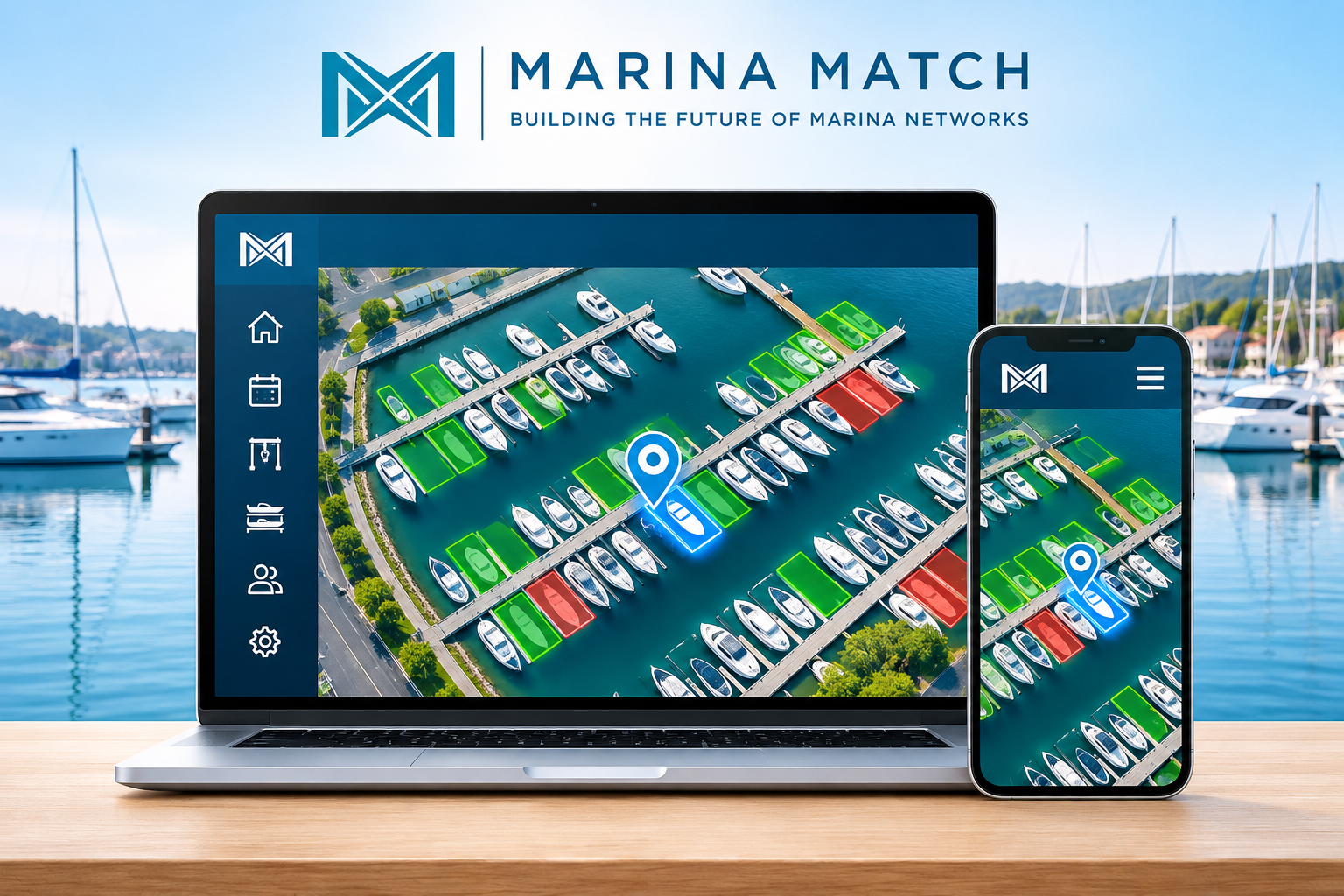
In a modern connected marina, real-time berth tracking and automated allocation software remove much of the friction historically associated with split-season inventory. By leveraging connected dock infrastructure, harbour managers can dynamically mix long-term occupancy with flexible seasonal leases without risking empty piers or administrative bottlenecks.
Comparing Yield and Risk: Seasonal vs Annual Allocations
To establish an optimal inventory ratio, marina management must evaluate the distinct financial and operational profiles of seasonal and annual agreements.
- Annual Berth Rental Agreements: Provide predictable, year-round cash flow and lower administrative overhead. While the effective monthly rate is lower than seasonal pricing, annual contracts protect the facility against off-season drops in occupancy.
- Seasonal Marina Berth Rental Leases: Yield significantly higher monthly rates during peak summer or cruising months. However, they expose the marina to seasonal vacancy risks unless off-season sub-leasing or alternative vessel storage is actively managed.
- Connected Marina Strategy: Combines fixed annual allocations with a flexible pool of seasonal slips. Telemetry and live digital mapping allow operators to reallocate vacant annual berths when vessel owners are away cruising.
Financial Modelling: Worked Revenue Calculation for a 50-Berth Pontoon
Consider a practical comparison for a marina section featuring fifty 12-metre berths operating in a region with a 6-month peak cruising season and a 6-month off-peak season. All values are expressed in Australian Dollars (AUD) for illustration.
Scenario A: 100% Annual Berth Rental Strategy
Assuming an annual berth rate of $800 AUD per month per berth across all 50 berths:
- 50 berths × $800 AUD/month × 12 months = $480,000 AUD gross annual revenue.
- Occupancy risk: Low. Administrative churn: Low.
Scenario B: Hybrid Strategy in a Connected Marina
Assuming 30 berths are locked into annual agreements at $800 AUD/month, while 20 berths are reserved for seasonal marina berth rental at $1,400 AUD/month during the 6-month peak season and $400 AUD/month during the 6-month off-peak season:
- 30 Annual Berths: 30 × $800 AUD × 12 months = $288,000 AUD.
- 20 Seasonal Peak Berths: 20 × $1,400 AUD × 6 months = $168,000 AUD.
- 20 Seasonal Off-Peak Berths (at 50% average occupancy): 10 × $400 AUD × 6 months = $24,000 AUD.
- Total Revenue: $288,000 + $168,000 + $24,000 = $480,000 AUD gross annual revenue with up to 10 berths remaining available for lucrative short-term transient bookings.
By connecting dock occupancy software to live customer availability tools, operators running Scenario B can easily capture additional short-term transient demand during peak weekends, raising total yields well beyond fixed annual baseline totals.
Managing Off-Season Vacancies through Flexible Listings

The primary drawback of seasonal renting is off-peak vacancy. A connected marina addresses this challenge through automated listings and transparent booking engines. When seasonal renters vacate their slips at the end of summer, connected marina software can automatically publish the available slips for short-term layover storage, maintenance stays, or discounted winter moorings.
Furthermore, annual renters who take their vessels on extended coastal voyages can opt to register their temporary absence. The marina management system can then re-lease the vacant berth for transient use, sharing the upside revenue with the annual berth holder according to pre-agreed terms.
Implementation Checklist for Marina Operators

When transitioning your waterfront asset toward a connected, dynamic allocation model, follow this practical checklist:
- Audit Pier Infrastructure: Ensure all finger piers and pontoon berths feature modern power metering and secure shore access control points.
- Establish Clear Rate Cards: Publish transparent pricing for annual, seasonal, monthly, and transient stays so boaters can easily evaluate their options.
- Implement Centralised Management Software: Use real-time visual mapping to monitor occupancy across fixed leases and casual rentals.
- Automate Utility Billing: Link shore power and water meters directly to renter accounts to eliminate manual meter reads between seasonal turnovers.
- Draft Flexible Rental Terms: Update lease agreements to define notice periods, sub-leasing conditions, and transient reallocation rights.
Frequently Asked Questions
What is the main difference between a seasonal marina berth rental and an annual berth rental?
An annual berth rental provides continuous 12-month access to a designated boat slip, usually at a discounted monthly rate. A seasonal marina berth rental secures a slip for a specific period—typically peak summer or winter months—at a higher monthly rate but without a long-term financial commitment.
How does a connected marina assist with off-season berth occupancy?
A connected marina uses integrated booking tools, live dock mapping, and digital marketing integrations to list vacant slips instantly. This enables harbour masters to fill temporary voids with transient vessels, maintenance stays, or short-term boat storage.
Can an annual berth holder sub-lease their slip while traveling?
Sub-leasing rules depend on the specific marina agreement. Many modern marinas operating connected software allow berth holders to log planned departures, allowing the marina to temporarily rent the slip to visiting boaters and credit a portion of the fee to the primary berth holder.
Which option is more cost-effective for vessel owners?
Boaters who keep their vessel in the water year-round or use it frequently across all seasons generally achieve lower average monthly costs with an annual berth rental. Boaters who haul out their vessel for winter storage or cruise to other waterways often save money with a seasonal marina berth rental.
Next Steps for Optimising Your Dock Inventory
Whether you manage a commercial harbour or are reviewing your personal vessel storage options, balancing seasonal flexibility with annual revenue stability is key to sustainable marine operations. Explore verified tools for dock management and listing tools to streamline your berth allocation today.
Do you run a marina or own a berth?
Reach boat owners searching for berths. Listing is free.