
Redefining Slips: AI Berth Allocation in Connected Boating
Managing a busy waterfront is a constant balancing act of space, time, and physical vessel dimensions. For generations, dock masters, harbour managers, and yacht clubs have relied on whiteboard grids, color-coded spreadsheets, and local tribal knowledge to arrange incoming vessels. But as modern yachts grow in beam and draft, and boaters demand instant, on-demand service, manual planning is reaching its structural limits.
The answer lies in digital marina transformation, specifically through the implementation of AI berth allocation. By moving away from static spreadsheets and embracing real-time spatial calculations, modern operators can optimise their basin footprint, eliminate human error, and unlock new revenue streams. Let us explore how intelligent scheduling, predictive algorithms, and automated workflows are shaping the future of connected boating.
The Spatial Jigsaw Puzzle of Modern Marinas
To understand why traditional planning fails, one must look at the variables a marina operator must coordinate. A slip is not just a rectangular parking spot; it is a multi-dimensional asset with constraints that shift with the environment and the vessel. These include:
- Vessel Dimensions: Length overall (LOA) and beam are just the start. A 50-foot catamaran requires twice the beam of a monohull but might draw far less water.
- Draft Limitations: Deeper-draft sailing yachts must be kept in outer slips or channels, especially during extreme low-tide cycles, while shallow-draft center consoles can be tucked closer to shore.
- Utility Infrastructure: A vessel requiring three-phase 100-amp shore power cannot be assigned to a slip wired only for single-phase 30-amp service.
- Mooring Classifications: Balancing commercial wet slips, dry stack storage, linear docks, finger piers, and private mooring configurations requires constant oversight.
When booking requests arrive via phone, email, and various online channels, a human scheduler naturally defaults to a safe but inefficient layout. They leave wide safety margins and buffer spaces, resulting in valuable linear footage sitting empty. Over a peak weekend, these minor inefficiencies compound into thousands of dollars in lost booking opportunities.
How AI Berth Allocation Drives Marina Occupancy
Instead of treating slip assignments as a static grid, an AI-enabled platform views the basin as a fluid, dynamic mathematical equation. AI berth allocation uses advanced constraint-satisfaction algorithms to calculate the absolute best configuration for all incoming and transiting vessels.
When an online marina booking request is made, the system does not simply check if a slip is empty. It automatically cross-references the vessel’s length, beam, draft, and power requirements against the physical attributes of the entire facility. The algorithm runs thousands of permutations in milliseconds to place the vessel in a spot that maximises overall marina occupancy.
For example, if a 40-foot motorboat is booked into a 60-foot slip, the AI looks for opportunities to reshuffle assignments. It might gently transition an existing vessel to a better-fitting slip or hold the larger slip open for an incoming superyacht that cannot fit anywhere else. By minimizing dead space along linear docks and matching boats to their exact spatial footprint, a marina operator can safely squeeze extra capacity out of their existing footprint, directly boosting bottom-line yields.
Bridging the Gap: Integrating the Private Mooring into the Network
The benefits of smart spatial intelligence extend far beyond the physical sea wall of a commercial facility. In busy waterways, commercial marinas are frequently fully booked during holiday weekends, yet nearby private docks, residential slips, and private mooring options sit completely unused. This represents a massive pool of untapped capacity.
Through a connected boating network, private jetty owners, yacht clubs, and waterfront property owners can seamlessly integrate their underutilised assets into the broader ecosystem. Here is how this integration benefits everyone involved:
- Expanding Supply: Local operators can manage adjacent private berths through a unified marina dashboard, offering transient boaters more choices during peak periods.
- Diversified Income: Waterfront homeowners can list a private jetty, dock, or mooring for rent, earning passive income securely through Stripe secure payments.
- Seamless Integration: Boaters looking for a berth reservation can view commercial slips and private listings side-by-side on an interactive Marina Map View.
By bringing these disparate assets into a single platform, the marine industry moves closer to a fully integrated ecosystem, making connected boating a practical reality for cruisers, weekenders, and seasonal travellers alike.

Maximising Efficiency with an Automated Waitlist
One of the most time-consuming tasks for any dock master is managing cancellations and waitlists. When a prime berth reservation is cancelled at the last minute, the traditional process involves calling down a physical list of boaters, hoping someone answers, and manually verifying their boat specifications fit the newly vacant slip.
An automated waitlist completely removes this administrative friction. The moment a cancellation is processed, the system scans the digital waitlist to find an exact match. The software checks not only the booking dates but also ensures the waitlisted vessel's draft, beam, and power draw align perfectly with the slip parameters.
Once a match is identified, the system automatically sends a secure booking offer to the boater. The boater can confirm and pay instantly via their boater dashboard. If they decline or fail to respond within a set window, the system automatically offers the spot to the next eligible vessel. The entire process occurs in the background, keeping marina occupancy high without requiring a single phone call from the dock staff.
The Power of Real-Time Marina Analytics
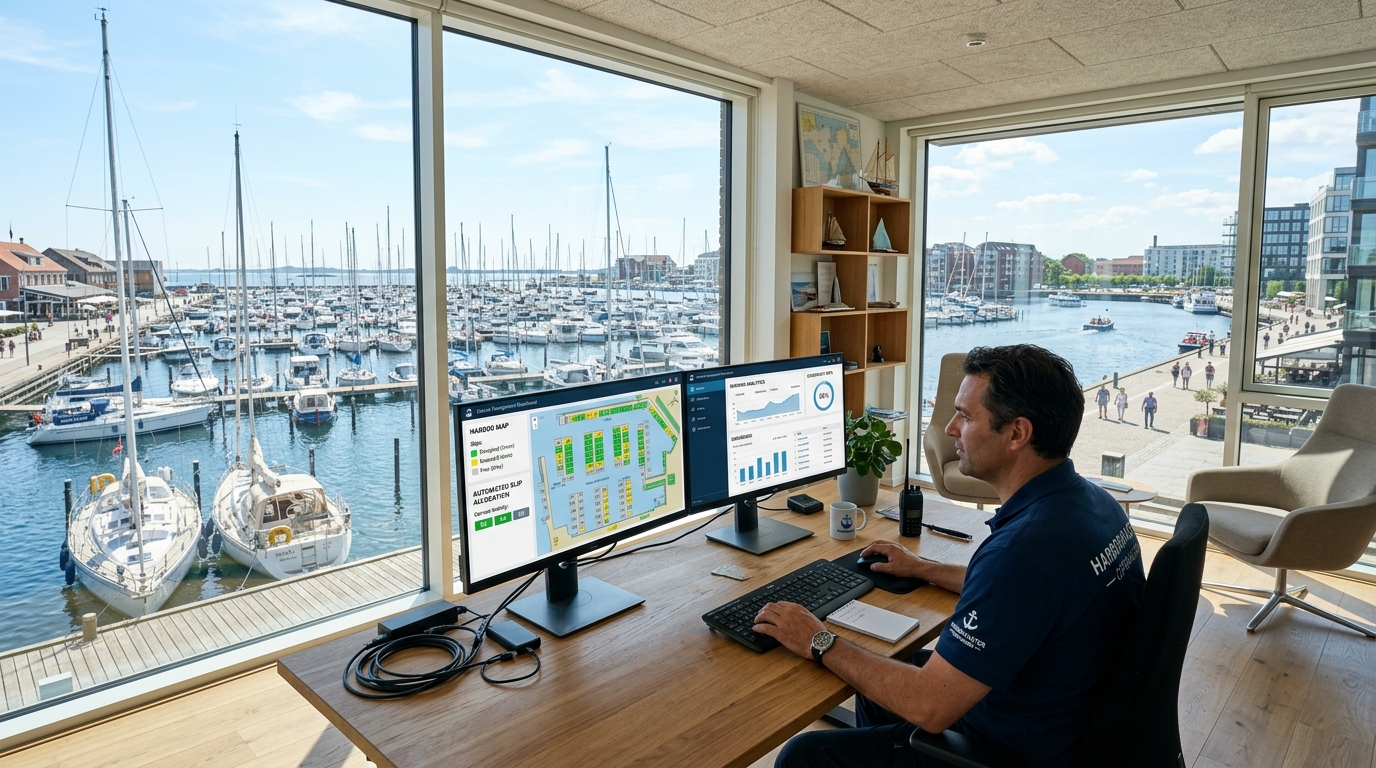
Transitioning to smart marina software gives operators access to a wealth of operational data that was previously locked in paper logbooks. Through an intuitive revenue dashboard, managers can monitor key performance indicators (KPIs) in real time. This includes analytical insights such as:
- Average Daily Occupancy: Understanding peak and off-peak trends to adjust seasonal pricing.
- RevPAB (Revenue Per Available Foot): A crucial metric that measures how effectively every foot of dock space is being monetised.
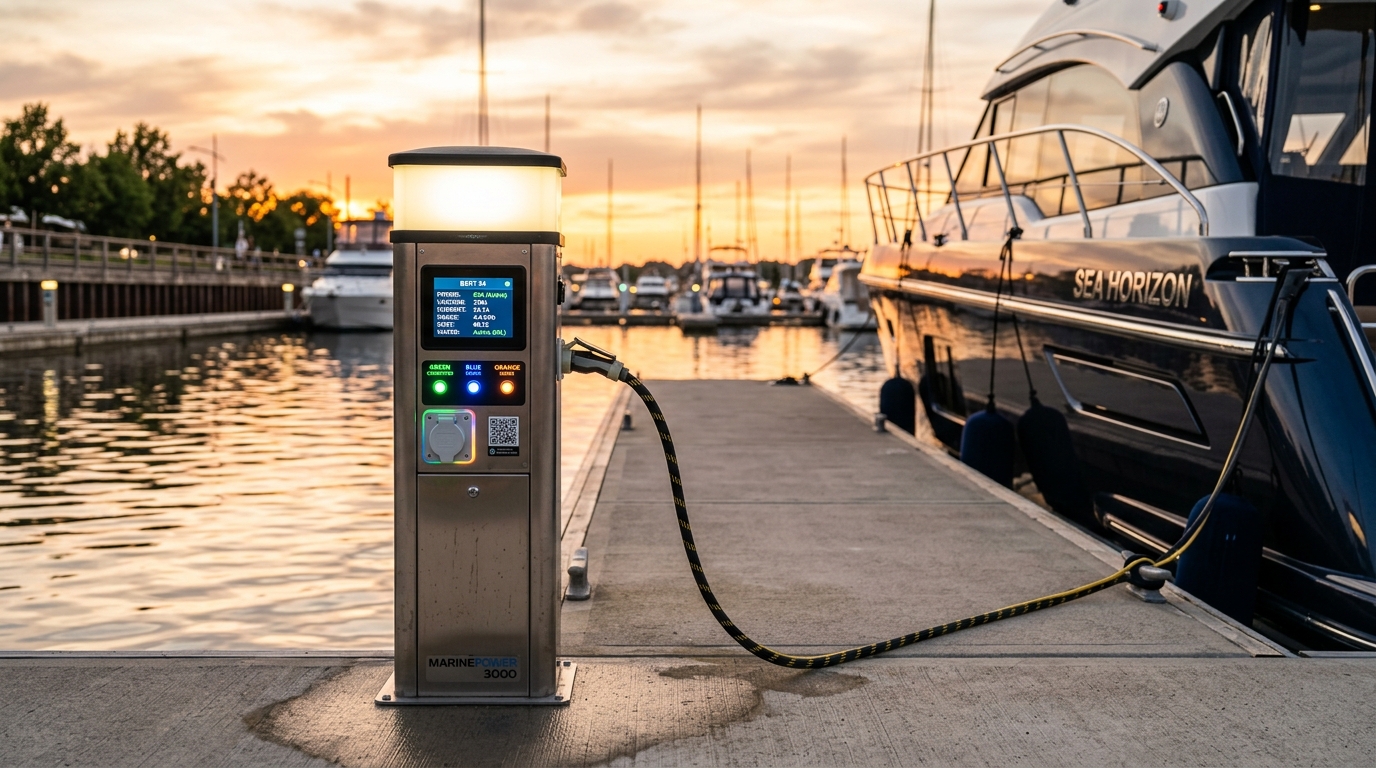
- Utility Consumption Patterns: Identifying high-use slips to better manage power grids and maintenance schedules.
- Lead-Time Analytics: Tracking how far in advance boaters make a berth reservation to optimise marketing efforts.
These analytics allow a marina business to shift from reactive management to proactive strategy. Operators can forecast future demand, plan capital improvements with confidence, and justify investments in automation and smart docking infrastructure to board members and investors.
The Horizon of Connected Boating
We are only beginning to scratch the surface of what is possible when data, automation, and spatial intelligence converge. In the near future, AI berth allocation will integrate with live vessel telemetry, AIS tracking, and weather forecasting systems.
Imagine a scenario where an incoming storm triggers automated safety adjustments. The software could automatically identify high-windage vessels in exposed slips and suggest re-allocating them to more sheltered berths or deep-water private mooring spots. Simultaneously, cruisers navigating coastal waters will receive real-time alerts on their mobile devices showing live berth availability, allowing them to book safe harbour instantly as weather patterns change.
By building the digital infrastructure for a global marina network, platforms like Marina Match are bridging the gap between physical waterfront assets and modern digital conveniences. This transformation ensures that whether you are a commercial operator managing hundreds of slips, a yacht club coordinating seasonal member bookings, or a private owner renting out a single jetty, you have the tools to operate safely, efficiently, and profitably.
Frequently Asked Questions
What is AI berth allocation and how does it work?
AI berth allocation is an intelligent spatial planning system that automatically calculates the most efficient layout for vessels within a marina. Instead of relying on manual scheduling, the system uses algorithms to match a vessel’s length, beam, draft, and power needs against the physical attributes of available slips, running thousands of spatial permutations in milliseconds to maximise occupancy.
Can private dock owners list their moorings on a commercial marketplace?
Yes. Through a unified marine ecosystem, private waterfront property owners can list their private mooring, jetty, or dock for rent or sale. This helps commercial marinas capture overflow demand during peak seasons while providing private owners with a secure, automated platform to monetise their idle assets.
How does smart marina software improve the boater experience?
Smart software allows boaters to view live berth availability, view interactive maps, make an online marina booking, and pay securely in seconds. It eliminates the need for endless phone calls and emails, providing a seamless, stress-free booking experience similar to booking a hotel or flight.
How does an automated waitlist prevent empty slips?
When a booking is cancelled, an automated waitlist scans pending requests for a vessel that matches the physical dimensions of the newly vacant slip. It automatically sends an invitation to book, handles the secure payment, and updates the dock master dashboard without requiring manual outreach from staff.
Do I need expensive hardware upgrades to use an AI-ready marina platform?
No. Modern smart marina software is cloud-based, meaning it runs on existing devices such as tablets, computers, and smartphones. While integrating smart pedestals or sensors can provide additional data, the core benefits of automated scheduling and waitlist management require no special hardware.
Embracing the Digital Waterfront
The marine industry is undergoing a profound digital transformation. Moving from paper-based logs and rigid spreadsheets to dynamic spatial intelligence is no longer a luxury; it is a necessity for keeping pace with modern boating demands.
By implementing AI berth allocation, integrating private mooring options, and automating administrative workflows, waterfront operators can eliminate operational bottlenecks, increase marina revenue, and focus on what they do best: providing exceptional service on the water.
Ready to see how smart automation can transform your waterfront? Explore Marina Match today and discover how our advanced Dock Master Dashboard, interactive maps, and global marketplace can streamline your operations and connect you to a worldwide network of boaters.
Metadata & SEO Appendix
SEO Title: AI Berth Allocation in Connected Boating
Meta Description: Discover how AI berth allocation is transforming connected boating by organising slips, integrating private moorings, and boosting marina revenue.
Suggested URL Slug: redefining-slips-ai-berth-allocation-connected-boating
Featured Image Description: A vibrant, high-contrast daytime shot of a premium coastal marina with yachts neatly docked along floating concrete fingers under a blue sky.
Alt Text: Modern yachts moored along concrete docks at a smart marina showcasing efficient spatial planning.
Social Media Summary: Manual slip planning is reaching its limits. Discover how AI berth allocation is transforming the modern marine industry—optimising basin space, reducing administrative workloads, and integrating private moorings into a seamless, profitable, and connected boating network. Perfect for marina managers, dock masters, and private waterfront owners alike.
Recent Blogs
September 7, 2026
Redefining Slips: AI Berth Allocation in Connected Boating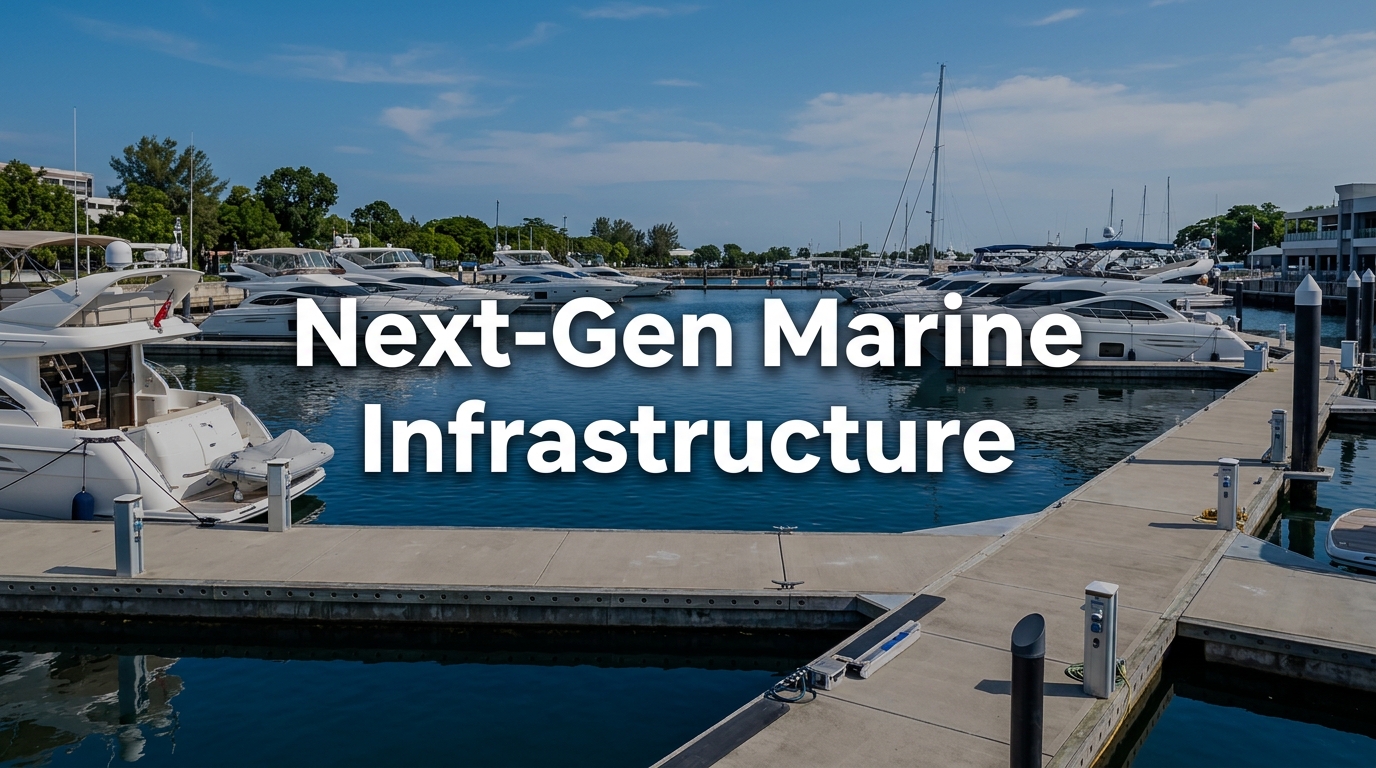
September 5, 2026
AI Dock Management: Shaping the Modern Marine Ecosystem
September 3, 2026
Predictive Logistics: Mastering Smart Marina Management
September 1, 2026
Maximising Waterfront Yields: A Guide to Managing Every Berth for Rent