
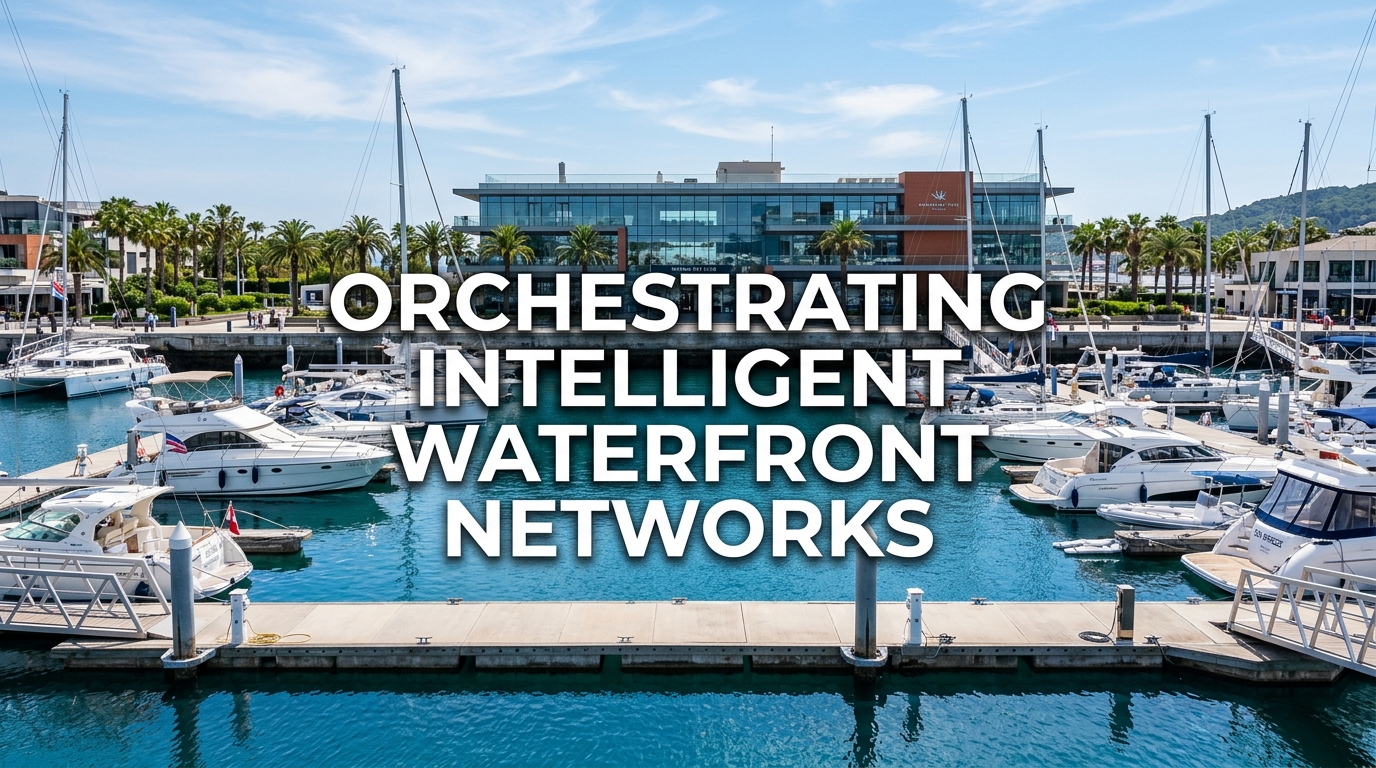
Unlocking the Autonomous Waterfront: How Intelligent Networks and Predictive AI Orchestrate Modern Berthing
The Dawn of the Autonomous Marina: Beyond Simple Booking Engines
For decades, marina operations relied on manual logs, visual slip checks, and localized database systems. While these methods kept harbors functional, they created isolated operational silos. Today, a surge in global vessel ownership, changing climate patterns, and rising expectations from boaters have pushed traditional systems to their limits. The modern maritime sector requires a paradigm shift—moving away from reactive management toward proactive, intelligent orchestration.
Enter the era of the autonomous waterfront. By combining advanced AI marina software with an interconnected, global marina network, operators can transition from basic administrative hubs to highly efficient, self-optimizing ecosystems. This evolution does more than simplify check-ins; it redefines how prime waterfront real estate is utilized, protected, and monetized. Marina Match stands at the forefront of this revolution, bridging the gap between local slip management and a wider, intelligent marine network that spans continents.
The Intelligence Layer: How AI Marina Software Operates in Real Time
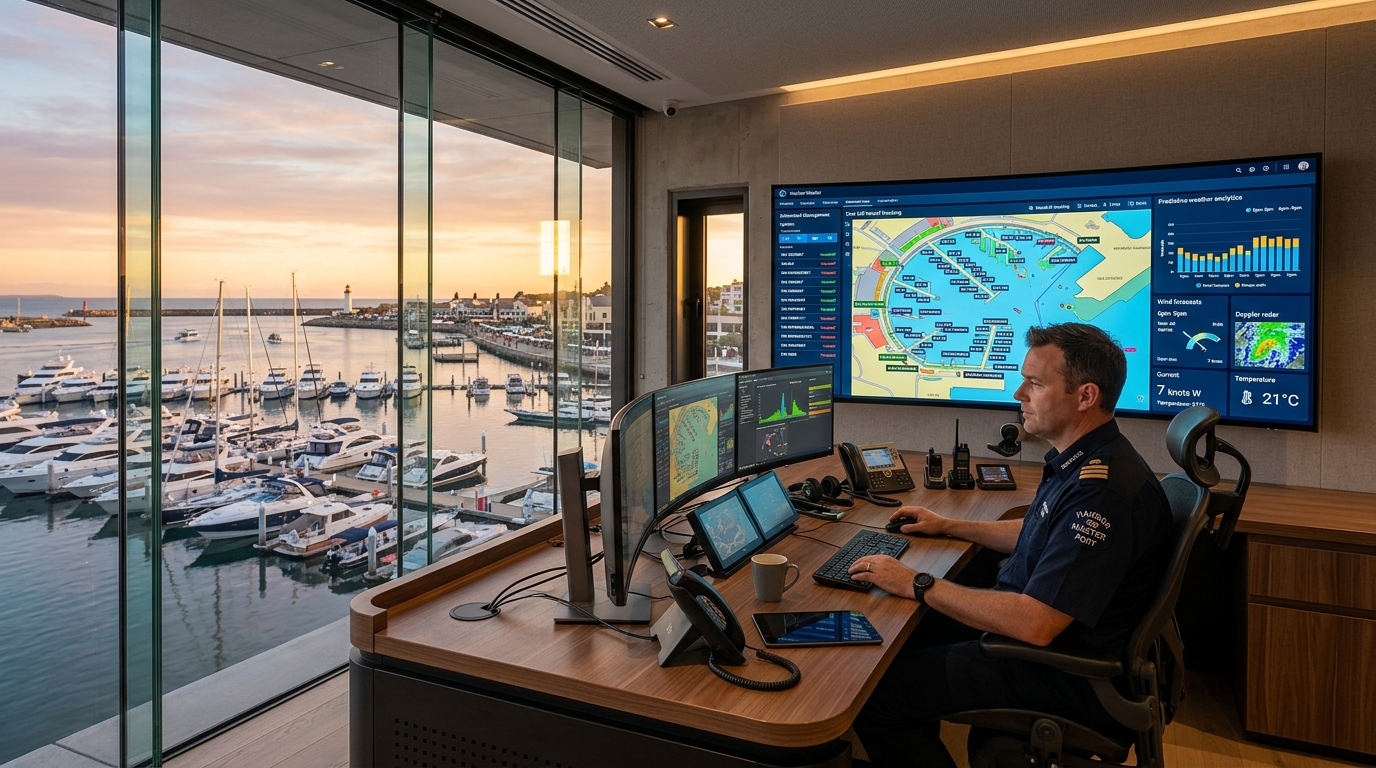
Traditional management software acts as a digital ledger, recording reservations after they are made. In contrast, predictive AI marina software actively monitors, predicts, and adjusts operations based on live telemetry, weather patterns, and historical occupancy data. This intelligent layer operates silently in the background, executing complex calculations to streamline daily workflows.
For instance, instead of waiting for a vessel to arrive to find out its draft depth exceeds a slip's capacity due to unexpected low tides, predictive AI cross-references the vessel's registered specifications with real-time bathymetric sensors and local tidal charts. The system then automatically reallocates the vessel to an optimal deep-water berth before the captain even enters the harbor channel, notifying both the dockmaster and the boater simultaneously via their mobile devices.
Connecting the Dots: The Rise of a Unified Marina Network
No marina should exist in isolation. Modern boaters do not stay in one place; they journey across regions, coastlines, and international borders. To cater to this mobile demographic, individual harbors must integrate into a synchronized marina network. This global web allows distinct facilities to share live data, match incoming vessels with available slips, and provide a frictionless cruising experience.
Why Isolated Databases Are Failing Modern Vessel Owners
When marinas operate on closed, localized systems, they create friction points for boaters and operators alike. A captain traveling along a busy coastline is often forced to contact multiple facilities individually to secure overnight berthing. This manual process leads to high administrative overhead for dockmasters, lost revenue due to unallocated last-minute cancellations, and increased anxiety for travelers navigating unpredictable waters.
By joining a unified marine network, operators can publish their real-time availability to a global pool of active boaters. When a berth is vacated early in one harbor, the system automatically markets it to nearby cruising vessels looking for safe anchorage. This level of interconnectivity turns empty water space into instant revenue while providing boaters with reliable, on-demand docking options.
The Network Effect: Seamless Transnational Boating Experiences
Imagine a yacht departing from a harbor in the Mediterranean, traveling across the Atlantic, and arriving at a coastal slip in the Caribbean. In a fragmented system, this journey requires dealing with dozens of different booking engines, currencies, safety regulations, and check-in procedures.
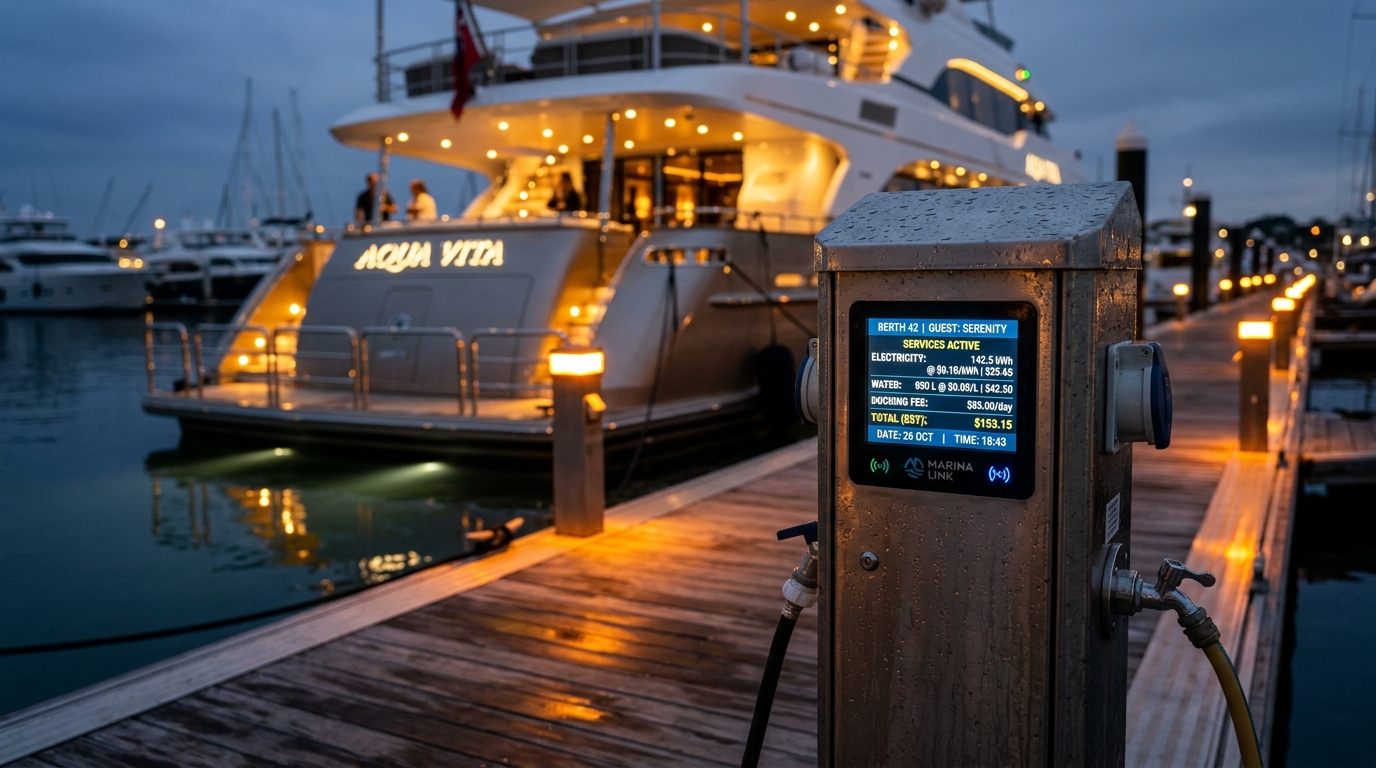
With a synchronized global network powered by Marina Match, the vessel's digital profile—complete with dimensions, electrical requirements, insurance records, and payment credentials—follows it across every port of call. As the yacht approaches a new destination within the network, the local system pre-approves the arrival, assigns the berth, activates the shore power pedestal, and processes the localized payment automatically. This represents the true potential of a fully integrated global boating community.

Building a Resilient Marine Network: A Blueprint for Owners
Transitioning from a legacy, isolated facility to a smart hub within a global digital network may seem daunting. However, by adopting a structured, phased approach, marina owners can upgrade their infrastructure with minimal disruption to daily operations.
Phase 1: Integrating Smart IoT Infrastructure
The foundation of any smart harbor is data collection. To feed your AI marina software with accurate information, you must equip your physical slips with modern IoT (Internet of Things) devices. This includes:
- Smart Utility Pedestals: Devices that track electricity and water consumption in real time, automatically billing guests based on their exact usage.
- Mooring Sensors: Ultrasonic or optical sensors mounted on docks to detect the physical presence of a hull, immediately alerting staff if an unauthorized vessel occupies a slip.
- Water Quality and Environmental Sensors: Hardware that monitors water temperature, dissolved oxygen, and local wind speeds to assist with environmental compliance and safety planning.
Phase 2: Deploying Automated Scheduling and Resource Allocation
Once your physical infrastructure is online, the software takes over. The AI system handles the complex, multi-dimensional puzzle of slip allocation. It accounts for vessel length, beam, draft, electrical needs (such as single-phase vs. three-phase power), and proximity to amenities. By automating this process, your staff can step away from administrative screens and focus on delivering premium, high-touch hospitality directly to arriving guests.
Phase 3: Activating Predictive Demand Planning
The true power of AI is realized when it begins to look forward. By analyzing years of historical booking data alongside regional tourism trends, holiday calendars, and long-range weather forecasts, the system predicts demand spikes weeks in advance. This allows you to implement dynamic pricing structures, maximizing your yield during peak regattas or holiday weekends, while offering targeted promotions during projected mid-week lulls to maintain steady occupancy.
A Practical Comparison: Legacy Management vs. AI-Driven Ecosystems
To understand the business impact of transitioning to an automated, networked model, it helps to examine how typical operational challenges are handled under both systems:
- Berth Allocation: Legacy systems rely on manual grid plotting, leading to human error, accidental double-bookings, and underutilized slips. AI-driven ecosystems use automated, multi-variable spatial algorithms that maximize every linear foot of dockage in real time.
- Arrival and Check-in: Legacy setups require boaters to dock, walk to the office, fill out physical paperwork, and present physical credit cards. AI-driven ecosystems utilize automated geofencing; the vessel is checked in automatically as it crosses the harbor breakwater, and digital gate codes are sent straight to the boater's phone.
- Utility Management: Legacy operations use flat-rate utility fees, which often fail to cover actual usage costs and encourage resource waste. AI-driven systems feature automated, real-time utility metering, billing the boater's digital wallet down to the exact kilowatt-hour consumed.
- Network Visibility: Legacy marinas are invisible to boaters outside their immediate marketing reach. Networked marinas enjoy global visibility through an integrated platform, receiving automated bookings from international cruisers.
Real-World Scenario: Navigating Peak Season Disruption with Marina Match
Consider a busy coastal marina during the height of the summer cruising season. A sudden, severe summer storm approaches the coast, forcing dozens of transit vessels to seek immediate safe harbor. Under a legacy system, the dockmaster's phone rings off the hook, VHF radio channels are jammed, and staff struggle to figure out which vessels can safely fit into remaining spaces amidst the chaos.
With Marina Match, the system instantly reacts to the incoming weather pattern. It scans the local coastal area for vessels currently logged in the marine network, identifies those in need of shelter, and cross-references their dimensions with real-time slip availability. The software instantly reconfigures the dock plan, shifting boats that are currently dry-docked or hauled out for maintenance to open up high-wall berths for incoming vessels. Within minutes, captains receive automated push notifications on their chartplotters: "Safe berth reserved at Harbor Blue. Proceed to Slip D-14. Autocheck-in active." The storm is navigated safely, revenue is maximized, and lives are protected through intelligent automation.
Frequently Asked Questions about Smart Marina Infrastructure
What is the difference between traditional marina software and AI marina software?
Traditional software acts as a static database where operators manually enter reservations, track billing, and update slip availability. AI-enabled software uses advanced machine learning algorithms, IoT sensor integrations, and predictive analytics to automate these tasks in real time. It can dynamically adjust pricing, optimize berth layouts, predict maintenance needs, and manage arrivals without requiring constant human intervention.
How does joining a global marina network benefit independent operators?
Joining a global network allows independent marinas to compete on a level playing field with major multi-site hospitality brands. It instantly exposes your facility to a vast, verified database of international boaters. It also allows you to share booking data, streamline check-ins with universal customer profiles, and capture high-value transit traffic that would otherwise bypass your region.
Is smart harbor technology secure for both operators and boaters?
Yes. Modern platforms like Marina Match utilize enterprise-grade encryption, secure cloud infrastructure, and tokenized payment processing. This ensures that sensitive customer data, financial transactions, and proprietary operational analytics are protected against unauthorized access, while still maintaining fast, seamless connectivity across the entire network.
Can legacy marinas transition to AI-driven systems without replacing their existing physical docks?
Absolutely. You do not need to rebuild your physical docks to become a smart marina. Modern AI software is designed to integrate with your existing infrastructure. By adding retrofitted IoT sensors, upgrading to smart power pedestals over time, and adopting cloud-based software platforms, you can transition your legacy facility into a modern, connected hub incrementally.
Set Your Harbor on a Smarter Course with Marina Match
The maritime world is moving fast, and the distinction between thriving harbors and struggling facilities lies in their willingness to adapt. By embracing the power of predictive AI, smart automation, and a globally connected marine network, you can unlock unprecedented operational efficiency, protect your waterfront assets, and deliver the world-class digital experience today's boaters expect.
Whether you manage a boutique yacht club, a busy commercial working waterfront, or a multi-national portfolio of premium slips, Marina Match has the technology, expertise, and global reach to elevate your business. Don't let your facility get left behind in the analog past. Contact the Marina Match team today to schedule an interactive demonstration and join the future of intelligent harbor management.
Recent Blogs
September 5, 2026
AI Dock Management: Shaping the Modern Marine Ecosystem
September 3, 2026
Predictive Logistics: Mastering Smart Marina Management
September 1, 2026
Maximising Waterfront Yields: A Guide to Managing Every Berth for Rent
August 30, 2026
Smart Docking: The Future of Modern Berth Management
August 28, 2026
Scaling Waterfronts with Smart Marina Software