
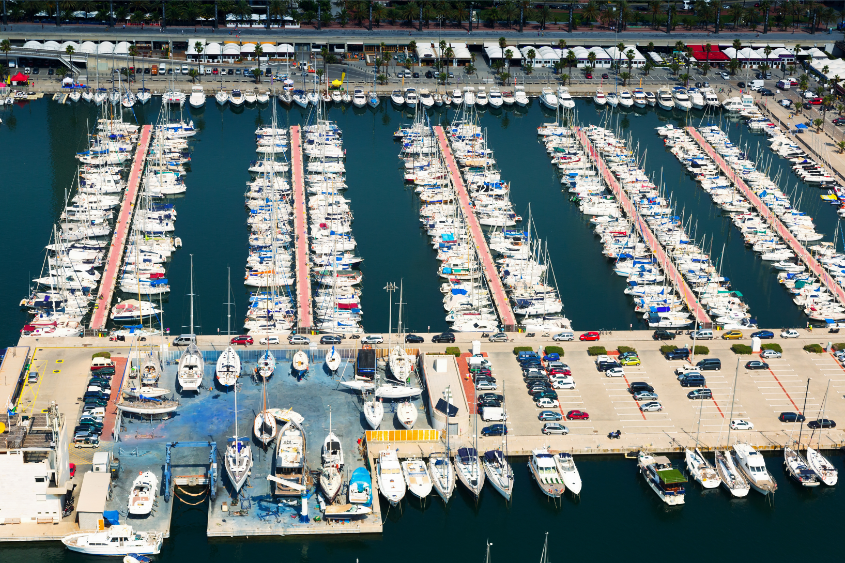
Your Step-by-Step Guide to Boat Storage in 2026
Most owners think their storage setup is on track, yet the numbers often prove otherwise.
Yes, you read it right. Many boaters and marina owners struggle with messy scheduling, unclear space planning, rising upkeep costs, and last-minute storage conflicts.
These issues often lead to lost bookings, frustrated customers, and drops in yearly revenue as high as 17 percent during peak months. It creates pressure on your team, slows down decision-making, and makes it harder to run boat storage facilities with confidence.
So, this blog will give you a clear path that solves those storage hurdles in a structured, predictable way.
You will see how marina boat storage can run smoother, how planning can improve capacity use by over 28 percent, and how tools like Marina Match- the best marina management software support better outcomes.
By the end, you will know the exact steps that help you stay ahead in 2026. Let's Begin.
How Big is the Recreational Boat Market in USA?
According to a report: -
- The recreational boat market is projected to reach USD 24.64 billion by 2032, up from USD 15.96 billion in 2025, reflecting a compound annual growth rate (CAGR) of 6.4%.
- North America is expected to hold the largest market share at 47.0% in 2025. Among various segments, personal watercraft boats are anticipated to achieve the highest CAGR of 8.3% during the forecast period.
- Also, the cruising and watersports segment is expected to exhibit the fastest growth from 2025 to 2032.
- The segment for boats measuring 30 to 50 feet is projected to dominate the market, with a CAGR of 7.2%.
What are the Different Types of Boat Storage Solutions?
Boat storage solutions come in various forms, including dry stacks, wet slips, indoor facilities, outdoor options, and trailer storage.
Each boat storage type offers different levels of protection, convenience, and cost, catering to the specific needs of boat owners based on vessel size and usage.
Dry Stack Storage
In this method, boats are lifted by forklifts and stored in multi-level racks within a warehouse. This option provides excellent protection from weather conditions, enhances security, and is space-efficient for smaller to medium vessels.
Many facilities also offer launch services, which can reduce maintenance requirements.
Wet Slip/Marina Dock Storage
Here, boats remain in the water at marina slips, making them easily accessible for frequent use, particularly in warmer climates. However, boats in wet slips are more susceptible to marine growth without additional care.
Many marinas offer utilities and social amenities as added benefits.
Indoor Storage
Boats stored in fully enclosed buildings receive protection from the elements, UV rays, and pests, making this option ideal for high-value yachts.
However, indoor storage can be more expensive due to the need for climate control and limited space.
Covered Storage
This type involves open-sided structures with roofs that protect boats from rain and sun while allowing for ventilation.
Covered storage is typically more affordable than full indoor storage but will require additional covers for side protection.
Outdoor/Trailer Storage
Boats stored on trailers in yards or driveways offer a low-cost option controlled by the owner.
Basic protection methods, such as tarps or shrink wrap, are needed to guard against weather exposure.
Self-Storage Units
Secure rental units can accommodate trailered boats and may come with climate options.
Such a flexible storage solution is suitable for off-season use, but it is important to check size limits and access availability.
Boat Lifts/Hoists
Installed at private docks, boat lifts and hoists to raise boats out of the water, providing hull protection and quick access.
This method is effective against storms and theft.
Shrink Wrapping
This professional seasonal covering seals boats against UV rays, dust, and pests, and can be combined with other storage methods for enhanced long-term outdoor protection.
Do Checkout- Exclusive Marina Berths for Sale in America’s Top Coastal Cities
10 Tips for Choosing the Right Marina Boat Storage
Selecting the right marina is essential for your boat's safety and your enjoyment. Focus on security, location, and amenities that fit your specific needs and budget.
1. Security
Look for boat storage facilities that offer 24/7 surveillance, gated access, on-site staff, and good lighting.
Your boat is a significant investment and requires strong protection.
2. Location and Accessibility
Choose a marina that is conveniently located for you.
Consider travel time, ease of entry and exit from open water, and proximity to your preferred cruising areas.
3. Type of Storage
Decide whether you want in-water slips (which are convenient for frequent use) or dry stack storage (which reduces hull wear and is often more affordable for smaller vessels).
4. Dock and Facility Condition
Inspect the docks, pilings, and electrical pedestals for safety and modernity. Well-maintained facilities indicate good management.
5. Amenities and Services
Ensure that essential amenities, such as clean restrooms, pump-out stations, fuel docks, and water/electrical hookups, are available and well-maintained.
6. On-Site Expertise
A marina with a professional repair shop, maintenance services, and knowledgeable staff provides invaluable peace of mind.
7. Insurance and Contracts
Carefully review the marina insurance requirements, contract terms, and liability clauses before signing any agreement.
8. Weather Protection
For regions prone to severe weather, assess the marina’s exposure and inquire about its storm preparedness plans and protected hurricane holes.
9. Community and Atmosphere
Visit the marina to gauge the overall vibe. A friendly and respectful community, along with responsive management, greatly enhances the boating experience.
10. Cost and Value
Compare all costs (monthly fees, utilities, maintenance add-ons) against the value offered. Remember, the cheapest option may not provide the necessary security or services.
Also Read- How to Secure a Marina Berth in America’s Waterfronts
Choose the Right Marina Boat Storage with the Best Marina Management Software in USA
Choosing the right setup for marina boat storage is not just about finding space. It is about running your operation in a way that supports steady bookings, smooth planning, and fewer surprises during busy periods.
When storage routines, customer requests, and maintenance tasks stay scattered, owners face slower response times and drops in yearly returns. This is where smart tools step in.
With a solid approach to boat dock storage, you can guide customers clearly, avoid conflicts, and keep every slot working for you. Pairing that with the right marina booking software creates a workflow that stays organized from the first inquiry to the final handover. Marina Match helps with real-time mapping, faster decisions, and a structured system that fits the needs of both small and large marinas.
If you want consistent results, then Marina Match, the top marina management software, becomes the anchor that supports growth in the USA.
FAQs on Boat Storage Solutions
Where to store my boat?
You can store your boat at marinas that offer wet slips, dry stack facilities, or indoor racks to protect it from the weather. For smaller vessels, outside boat storage or self-storage units are good options that ensure security and accessibility.
How much does boat storage cost?
The average cost of storage on a boat varies based on location, type, and size. Marina slips typically range from $10 to $50 per foot per month, while dry stack storage is priced between $20 and $40 per foot. Hurricane storage usually costs around $40 per foot for each event. Also factors that influence pricing includes the available amenities and the time of year.
How to store a boat?
To store your boat properly, first, clean and dry it thoroughly. Apply protective covers and drain all systems to prevent mold. For off-season storage, use dry stack racks or indoor facilities. If storing outdoors, secure the boat on a trailer with stabilizers.
Recent Blogs
July 15, 2026
Navigating the Future of Connected Boating
July 13, 2026
The AI Marina: Streamlining Modern Waterfront Operations
.jpg)