
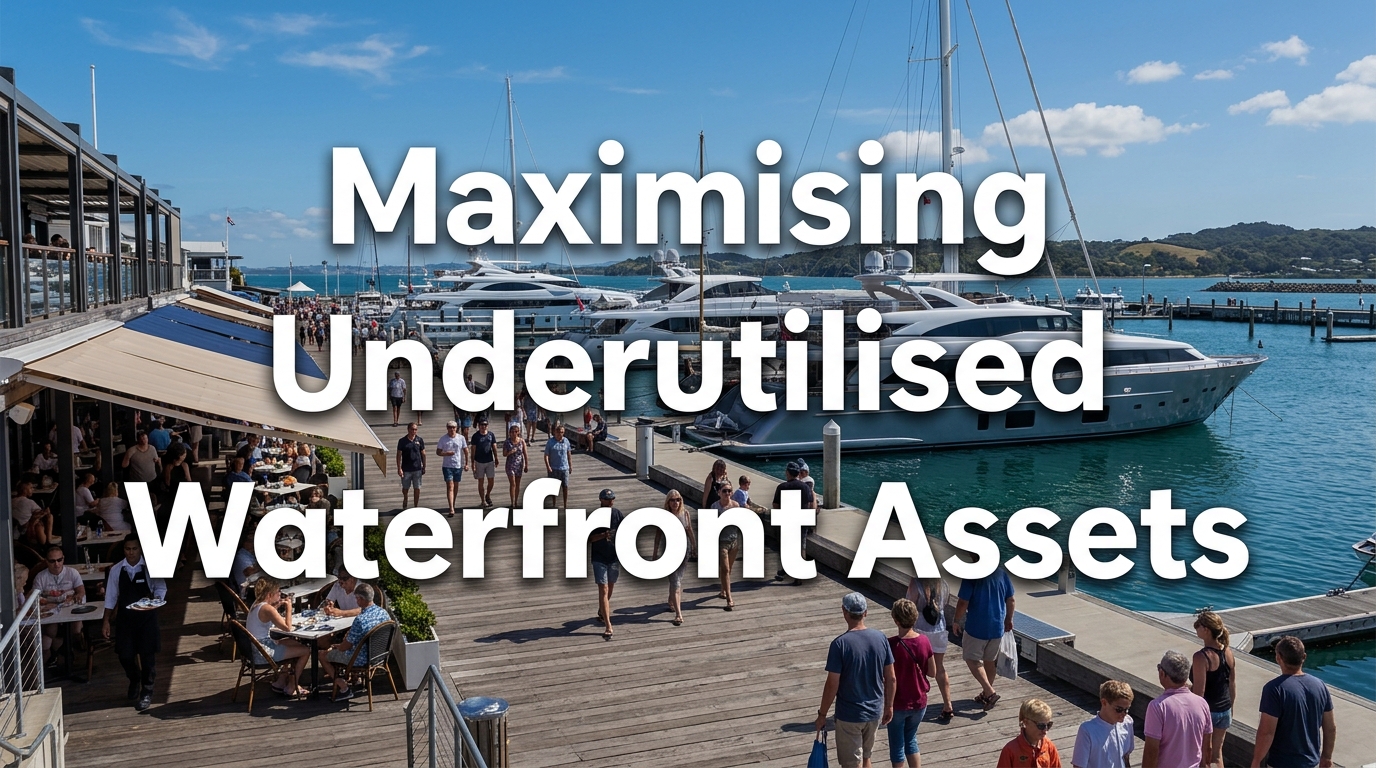
Monetising a Private Jetty: Safe Mooring Rentals
Waterfront property ownership represents a pinnacle of real estate success, yet a significant portion of this premium space remains quietly underutilised. Walk along any tidal canal, coastal estuary, or inland riverway, and you will see a familiar sight: private jetties sitting empty for weeks, if not months, at a time. Meanwhile, commercial marinas in the same region face unprecedented demand, forcing vessel owners onto multi-year waitlists for a secure boat mooring.
This supply-and-demand mismatch presents a highly lucrative opportunity for waterfront property owners. By offering a private jetty as a boat mooring for rent, property owners can generate consistent passive income while helping to resolve regional berth shortages. However, successfully stepping into this market requires more than simply tying a passing boat to a timber pile. It requires a clear understanding of marine safety, local regulations, listing logistics, and the smart marina technology that makes managing a private dock rental seamless and secure.
The Economics of Waterfront Sharing: Valuation and Pricing
Determining the correct pricing structure for a mooring for rent requires a balance between local market demand and the specific physical characteristics of your waterfront asset. Not all berths are created equal, and boaters looking for a private dock rental will evaluate several key parameters before initiating a booking.
Key physical factors dictating the value of your private jetty include:
- Water Depth and Draft Clearance: The distance between the water surface and the riverbed or seabed at mean low water (MLW) is critical. Deep-draft vessels, such as large sailboats or heavy cruising yachts, require guaranteed depth to avoid grounding during spring low tides.
- Beam and Length Constraints: You must determine the maximum width (beam) and length overall (LOA) of a vessel that can safely tie up without protruding into navigable channels or obstructing neighboring properties.
- Tidal Range and Currents: High-velocity tidal channels require more robust mooring systems and make docking more challenging, which can influence pricing.
- Access and Services: The presence of shore power (15A or 32A connections), fresh water hookups, secure landside access, and onboard amenities will significantly increase your asset value.
To help put this in perspective, consider how a private boat mooring compares to a commercial marina berth reservation. While a commercial marina berth offers premium amenities like fuel docks and active public thoroughfares, it often lacks privacy. Conversely, a private jetty mooring offers high privacy, quiet residential settings, and direct landside access, making it highly attractive to specific boaters.
Property owners who list their assets on a dedicated marina booking platform can command premium rates during peak holiday seasons, regattas, and local fishing tournaments when commercial marina space is virtually non-existent.
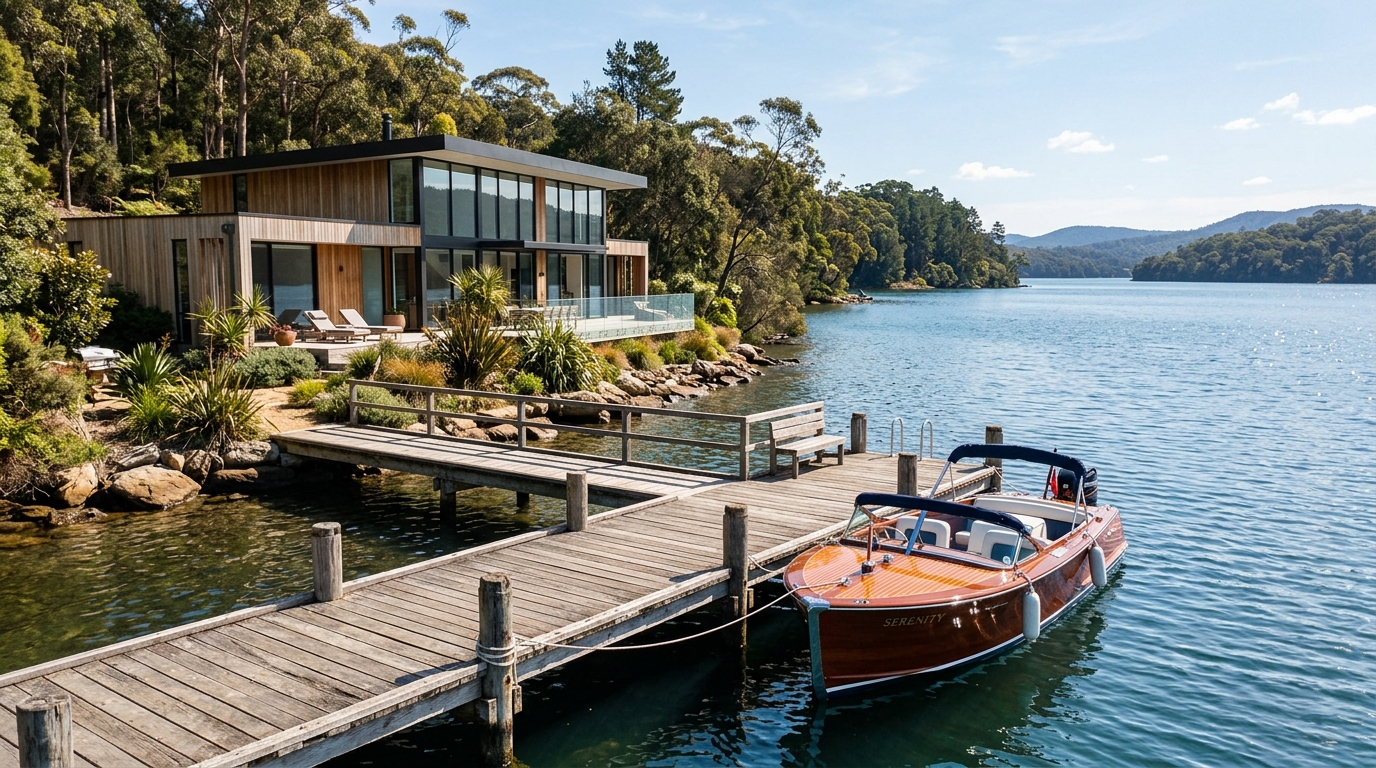
Preparing Your Private Jetty for Safe Rentals
Before welcoming a guest vessel, you must ensure your waterfront infrastructure is structurally sound and capable of handling dynamic marine forces. The physical forces exerted on a private jetty by wind, tide, and passing wakes are substantial. Neglecting structural maintenance can result in severe damage to both your dock and the visiting vessel.
Start with a comprehensive safety audit of your private dock. Examine the structural integrity of your timber or concrete piles, checking for rot, marine borers, or concrete spalling. Replace any rusted brackets or loose bolts immediately. The cleats—the metal fittings used to secure mooring lines—must be rated for the tonnage of the vessels you intend to host. Ensure they are through-bolted to the structural frame of the jetty with heavy-duty backing plates, rather than simply screwed into deck boards.
Fendering is another critical component of dock preparation. Install high-quality, UV-resistant dock fenders or bumpers along the exposed edges of the jetty to protect boat hulls from direct contact with timber or concrete. If your jetty experiences moderate wake action, advise boaters to utilise high-quality mooring snubbers to absorb shock loads on the lines.
Additionally, establish clear operational guidelines for the space. Will you allow boaters to access their vessels 24/7, or will you set specific quiet hours to preserve your own privacy? Defining these parameters early ensures a harmonious relationship between the property owner and the boater.
Legal and Safety Compliance for Your Private Jetty
Operating a private jetty rental involves navigating a unique framework of local maritime laws, council bylaws, and insurance considerations. Because safety is paramount in the marine industry, understanding your legal obligations as an informal marina operator is essential before offering your space to the public.
First, review your local riparian rights and waterway regulations. In many jurisdictions, while you own the physical jetty structure, the underlying seabed or waterway belongs to the crown, state, or local government. Some regions require a specific permit or license to sublease or rent out a boat mooring, while others permit casual dock sharing as long as the vessel does not violate navigation channels.
Second, consult with your insurance provider. Standard homeowners' insurance policies rarely cover commercial marine activities or third-party vessel damage. To protect yourself against liability, you should look into a specialized marine liability policy or work with a marina booking platform that provides structured terms of service and built-in security measures.
To mitigate risks, ensure that every booking is backed by a clear, legally binding digital agreement. This agreement should clearly state that the vessel owner is responsible for securing their own boat, maintaining active comprehensive marine insurance, and assuming liability for any damage caused by their vessel to your private jetty.

How Modern Booking Platforms Automate Private Dock Sharing
Historically, finding a mooring for rent was a tedious process governed by local classified ads, physical noticeboards at yacht clubs, or word-of-mouth. This manual approach was filled with friction: boaters struggled to verify live berth availability, while property owners had to manage sketchy payment arrangements and vetting processes manually.
The rise of modern marina management software and decentralized marketplaces has completely transformed this landscape. Platforms like Marina Match bridge the gap between private property owners and the global boating community. By utilizing a smart marina booking platform, property owners can automate the entire listing and booking lifecycle.
This technological integration offers key operational advantages:
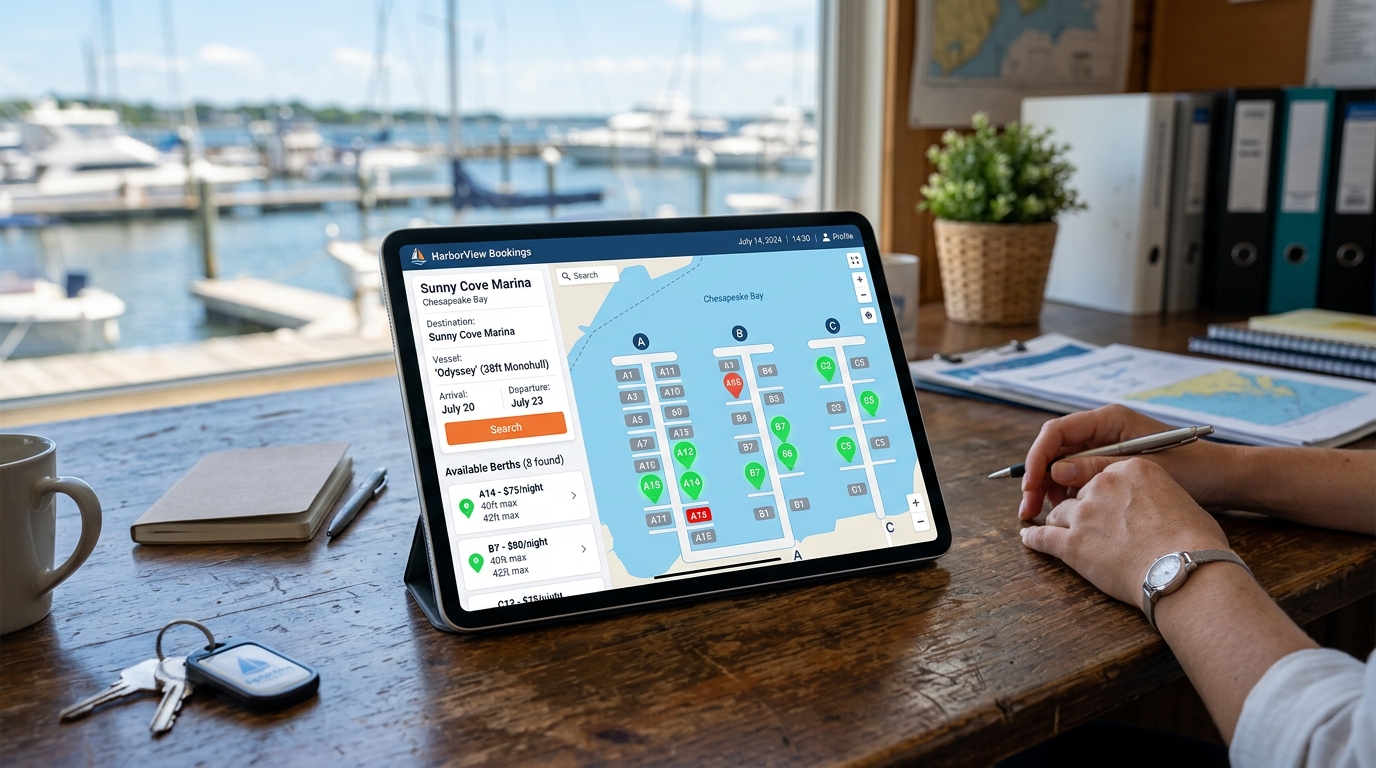
- Live Berth Availability: Boaters can instantly view whether your private jetty is occupied or vacant, eliminating back-and-forth messaging.
- Automated Calendars: Prevent double-bookings by blocking out dates when you need the jetty for your own vessel or maintenance.
- Secure Payment Gateways: Transactions are handled securely online through integrated payment processors like Stripe, ensuring you receive your dock rental income without awkward manual exchanges.
- Boater Profiles: Review the size, draft, and details of the vessel before approving a booking request, ensuring compatibility with your dock.
This automation turns what was once a complex, high-effort logistical task into a hands-off source of revenue, functioning similarly to vacation rental platforms but tailored specifically to the unique requirements of the marine industry.
Integrating Private Inventory into the Global Marina Network
The evolution of smart marina technology extends far beyond individual docks. Today, the marine industry is shifting toward a fully connected global marina network. In this decentralized ecosystem, private dock listings act as an essential relief valve for over-burdened commercial waterways.
When a commercial marina operator is faced with maximum occupancy, having access to real-time data on nearby private jetty rentals allows them to guide transient boaters to safe, nearby alternatives. This cooperative network benefits the entire boating community. Commercial operators can leverage integrated dashboards to view local berth availability, while private dock owners enjoy steady demand driven by the overflow from major yacht clubs and commercial marinas.
Furthermore, the incorporation of artificial intelligence (AI) in marine booking systems promises to optimize this network even further. Future systems will be capable of predicting peak demand periods—such as approaching weather fronts or holiday weekends—and automatically suggesting optimal pricing and availability adjustments for both commercial and private mooring owners. By participating in this digital marina transformation, private jetty owners become active, valuable contributors to a smarter, more resilient global marine ecosystem.
Frequently Asked Questions
Is it legal to rent out my private jetty to boaters?
Legality depends entirely on your local council, state maritime authorities, and environmental regulations. Some waterways permit private jetty rentals under casual dock-sharing rules, while others require specific permits or commercial licensing. Always consult your local waterway authority before listing your space.
How do I determine the depth of the water at my private jetty?
To find your draft clearance, measure the water depth at your dock during the lowest tide of the month (Mean Low Water) using a weighted measuring tape or a portable depth sounder. Subtract at least 30 to 50 centimeters as a safety buffer to determine the maximum draft vessel you can safely accommodate.
What happens if a boat damages my private dock during a storm?
This is where clear agreements and insurance are vital. Your rental agreement should state that the vessel owner is fully liable for any structural damage caused by their boat. Before confirming any booking, ensure the boater provides proof of active comprehensive hull and third-party liability insurance.
Can I list my private jetty on a commercial marina booking platform?
Yes. Specialized marine marketplaces like Marina Match are designed to host both commercial marina listings and private waterfront properties, including private jetties, moorings, and private dock rental options, making it easy to reach boaters globally.
What amenities am I expected to provide with a private dock rental?
While some boaters only require a secure tie-up spot, offering basic amenities like fresh water, electricity (shore power), and secure landside access allows you to charge premium rates. Clearly specify what is and isn't included in your listing description.
How do I handle payments for my boat mooring rental?
It is highly recommended to use a platform that incorporates automated, secure online payment systems like Stripe. This guarantees that payments are secured prior to the vessel's arrival, eliminating the risks associated with cash payments or manual bank transfers.
Conclusion: Transforming Your Private Jetty into a Smart Managed Asset
As the demand for safe, reliable boat mooring spaces continues to grow, owning a private jetty has transitioned from a simple lifestyle feature into a valuable commercial asset. By offering your private jetty as a mooring for rent, you can earn consistent passive income, offset the costs of waterfront maintenance, and support the broader boating community.
Success in this space relies on thorough physical preparation, an understanding of local maritime laws, and utilizing the right technology. By listing your asset on a modern marina booking platform like Marina Match, you gain access to an active global marina network, advanced dock management tools, and secure payment processing.
Are you ready to unlock the earning potential of your waterfront property? Explore how Marina Match can simplify your private dock rental experience, protect your asset, and connect you with verified boaters looking for their next safe harbor.
Recent Blogs

August 22, 2026
Optimising Waterfront Operations as an Automated Marina
August 20, 2026
Monetising a Private Jetty: Safe Mooring Rentals
July 15, 2026
Navigating the Future of Connected Boating