Navigating the Future of Connected Boating
The maritime world has long been characterized by tradition, where the gentle slap of waves against hulls is matched by the steady, unhurried rhythm of coastal life. However, beneath this timeless surface, a profound technological tide is rising. The modern boater no longer leaves their digital life on the shore. They expect their maritime adventures to be as integrated, efficient, and responsive as their land-based ones. This paradigm shift is giving rise to a new era of connected boating, where vessels, marina infrastructure, and private berthing spaces communicate in real-time to create a seamless, safe, and highly optimized marine ecosystem.
For the forward-thinking marina operator, this transition represents both an incredible opportunity and an operational challenge. Moving away from legacy systems—such as spreadsheet tracking, physical whiteboard maps, and manual phone bookings—toward a fully realized digital framework is no longer a luxury reserved for mega-yacht harbors. It is rapidly becoming the baseline expectation for everyday boaters, waterfront property owners, and commercial maritime operations alike.
Understanding Connected Boating in Modern Maritime Ecosystems
At its core, connected boating refers to the integration of vessel telemetry, global positioning systems, smart port infrastructure, and digital booking platforms into a cohesive digital network. Rather than treating a boat as an isolated vessel navigating between disconnected docks, this approach treats every yacht, catamaran, and tender as an active, data-sharing node within a wider network.
When a vessel is connected, it doesn't just navigate; it communicates. Smart onboard systems monitor engine health, battery levels, water depths, and weather conditions. Crucially, they can broadcast these details to local ports. Imagine a scenario where a vessel encountering an unexpected mechanical fault can automatically ping nearby harbors, checking for a suitable dry storage slip or a private berth with the necessary shore power and mechanical support—all before the captain even picks up a VHF radio.
This level of connectivity is not a far-off dream. It is already taking shape through the proliferation of Internet of Things (IoT) sensors, advanced maritime transponders, and the pioneering development of Autonomous Boats. As self-piloting vessels shift from experimental prototypes to real-world applications, the need for a universally accessible, highly automated docking infrastructure becomes paramount. These smart vessels will require flawless communication with a smart marina to execute safe docking maneuvers, manage power hookups, and update occupancy statuses without requiring manual human intervention at every step.
The Role of the Smart Marina in Supporting Advanced Vessels
For a smart marina to successfully integrate with this emerging network of connected vessels, it must move beyond traditional static management. It requires a dynamic, responsive operating system that can interpret incoming vessel data and optimize slip allocations on the fly. This is where advanced marina software becomes the central nervous system of waterfront operations.
Traditionally, a dock master spent hours every day answering phone calls, responding to emails, and manually assigning slips based on estimated vessel dimensions. When a boat arrived late, or with a larger beam than reported, the entire puzzle had to be rearranged manually. In a connected ecosystem, the marina booking platform automates these complex logistics.
Key advantages of this transition include:
- Live Berth Availability: Boaters can view real-time slip inventory directly from their chartplotters or mobile devices, eliminating the anxiety of arriving at a packed harbor after sunset.
- Dynamic Predictive Allocation: The system automatically matches incoming vessels with slips that precisely fit their draft, beam, length overall (LOA), and power requirements, ensuring maximum physical safety and space optimization.
- Integrated Communication: Marina staff can send instant slip assignments, access codes, and local safety notices directly to the boater's dashboard before they cross the breakwater.
By using a centralized dock management software, operators can minimize human error, reduce administrative overhead, and dramatically improve the guest experience, freeing up dock staff to focus on high-value guest relations and physical maintenance.
Unlocking the Potential of the Private Berth and Private Docks
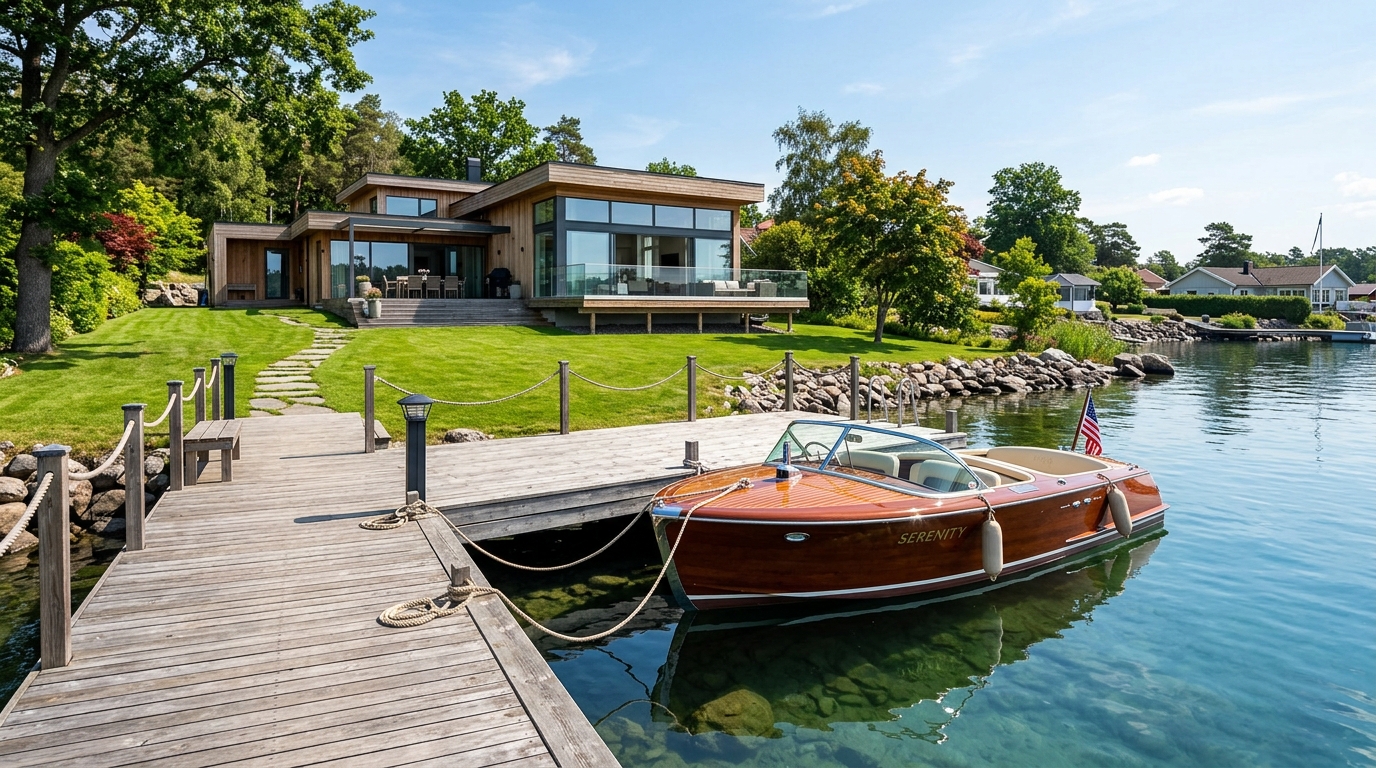
The evolution of this connected ecosystem extends far beyond commercial marina basins. Thousands of private jetties, residential docks, and individual moorings sit vacant for months at a time. In an era where berthing spaces are at a premium worldwide, unlocking these underutilized assets is a crucial component of modern maritime infrastructure.
For private waterfront property owners, listing a vacant slip as a private berth for rent offers an exceptional opportunity to generate passive income. Historically, however, managing a private dock rental was fraught with friction. Owners struggled to market their space, verify the credentials of visiting boaters, handle secure payments, and manage liabilities.
Modern maritime marketplaces have solved these hurdles by extending the smart network to the private sector. Through platforms like Marina Match, private jetty owners can tap into the same institutional-grade booking, payment, and security infrastructure used by major commercial harbors.
- Secure Payment Integration: Transactions are handled safely through secure processors like Stripe, ensuring prompt payouts and eliminating cash handling.
- Informed Boater Profiles: Owners can review vessel details, insurance documentation, and historical reviews before approving a rental request.
- Flexible Listing Terms: Whether renting a dock for a single weekend during a local sailing regatta or offering a long-term lease, private owners maintain complete control over availability and pricing.
This democratization of berthing space not only provides boaters with alternative safe harbors during peak seasons but also takes the pressure off overcrowded commercial facilities, expanding the overall capacity of the global marine network.
Preparing Infrastructure for Autonomous Boats and Intelligent Berthing
The horizon of maritime technology is rapidly approaching, and perhaps the most exciting frontier is the rise of Autonomous Boats. While fully crewless commercial container ships are undergoing active trials, recreational vessels are also adopting autonomous docking assistance, self-anchoring systems, and predictive collision-avoidance technologies.
To prepare for a future where vessels can navigate, steer, and moor themselves, shore-side infrastructure must adapt. The interface between a self-docking boat and a marina slip requires seamless, ultra-low latency data transmission.
Consider the division between current capabilities and future possibilities in smart docking:
- Current Capabilities: Today, boaters utilize high-accuracy GPS, bow thrusters, and digital joysticks to assist with manual docking. Marina software assists by offering online marina booking and instant digital slip assignments that the boater reads on a smartphone or tablet screen.
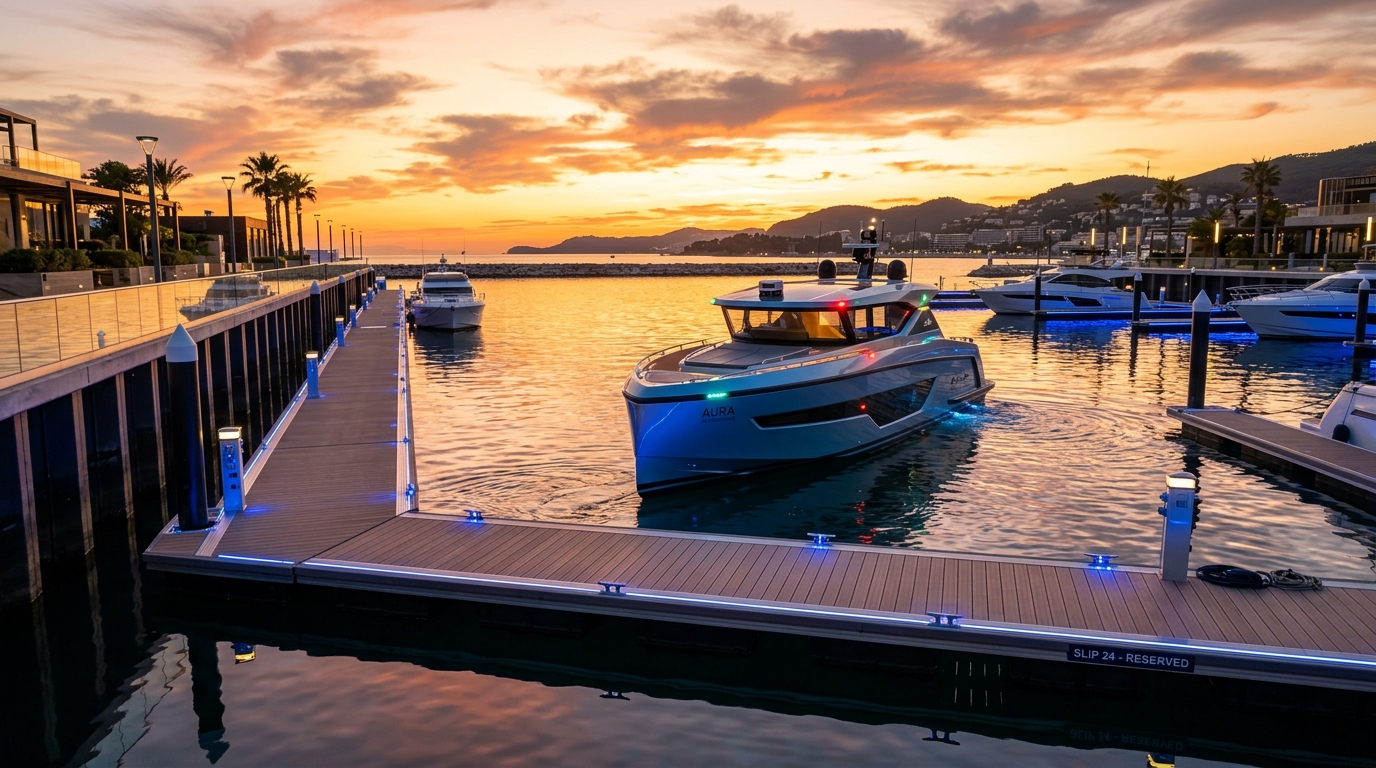
- Future Possibilities: Within the next decade, an autonomous vessel approaching a harbor will securely handshake with the marina's localized network. The marina's system will automatically activate dockside cameras, raise or lower automated fenders, and guide the vessel's thrusters to slide gently into its pre-assigned slip. Once secured, smart shore power pedestals will automatically initiate charging based on the boat’s battery profile, billing the owner's linked account seamlessly.
For the proactive marina operator, investing in a flexible, cloud-based software foundation today ensures that their facilities remain compatible with these rapidly emerging technologies tomorrow. By building an open API infrastructure, systems like Marina Match are ensuring that current software investments will easily interface with the automated hardware of the future.
Streamlining Marine Operations with Modern Management Software
To illustrate the operational leap between traditional methods and a modern connected approach, consider how a cloud-based marina booking platform optimizes daily tasks for both commercial operators and private dock owners:
| Operational Feature | Traditional Manual Management | Connected Smart Marina Platform |
|---|---|---|
| Berth Allocation | Manual spreadsheet entries, whiteboard tracking, prone to double-bookings and human error. | Automated, instant allocation based on real-time vessel dimensions, draft, and power needs. |
| Booking Process | Phone calls, back-and-forth emails, and paper forms completed upon arrival at the fuel dock. | Instant online marina booking via mobile apps, 24/7 self-service reservation systems. |
| Waitlist Management | Static lists kept on paper or in files, requiring manual phone calls when a slip becomes vacant. | Automated waitlists that instantly notify the next boater in line via SMS or email when space opens. |
| Payments & Invoicing | Invoices mailed out, checks processed manually, or credit card details taken over insecure phone lines. | Fully integrated Stripe secure payments with automated recurring billing and instant digital receipts. |
| Occupancy Analytics | Calculated manually at month-end; limited visibility into historical trends or future projections. | Real-time business intelligence dashboard showing occupancy rates, revenue trends, and pricing analysis. |
By replacing fragmented, legacy processes with a unified platform, operators can recover hundreds of lost administrative hours, which can instead be invested back into maintaining physical dock structures, enhancing security, and delivering top-tier service to visiting yacht owners.
Building a Global Marina Network for the Next Generation
True innovation does not occur in isolation. Just as a single computer becomes infinitely more powerful when connected to the internet, individual marinas, yacht clubs, and private slips unlock their true value when woven into a unified, global marine network.
For the modern boater, traveling long distances should not require managing dozens of different accounts, calling multiple harbor masters, or navigating inconsistent booking policies. A cohesive, interconnected network allows boaters to cruise from port to port, secure in the knowledge that their preferences, vessel details, and payment credentials are recognized seamlessly across the globe.
This global integration also opens up incredible avenues for cross-promotions, loyalty programs, and collaborative cruise-planning. A yacht club member on the east coast can effortlessly arrange reciprocal berthing at a sister club on the west coast, while a private property owner in Europe can list their canal slip to international travelers looking for a unique, localized berthing experience.
By bridging the gap between major commercial operations and peer-to-peer dock rentals, Marina Match is laying the digital highway for this global marine ecosystem. It provides the unified platform where marina managers, private dock owners, and boaters can collaborate transparently, safely, and efficiently.
Frequently Asked Questions about Connected Boating
How does connected boating benefit the average recreational boater?
It takes the stress out of navigation and trip planning. By connecting your vessel's details with digital booking networks, you can secure guaranteed berths, view live slip availability, and handle payments instantly. This means less time worrying about where to tie up and more time enjoying the open water.
Can private jetty owners really compete with commercial marinas?
Yes, absolutely. By using a secure maritime marketplace, private owners can list their vacant berths to a global audience of verified boaters. This provides boaters with convenient, localized, and often more cost-effective berthing options, while offering private owners a seamless way to monetize their waterfront assets safely.
Is smart marina software difficult for existing staff to learn?
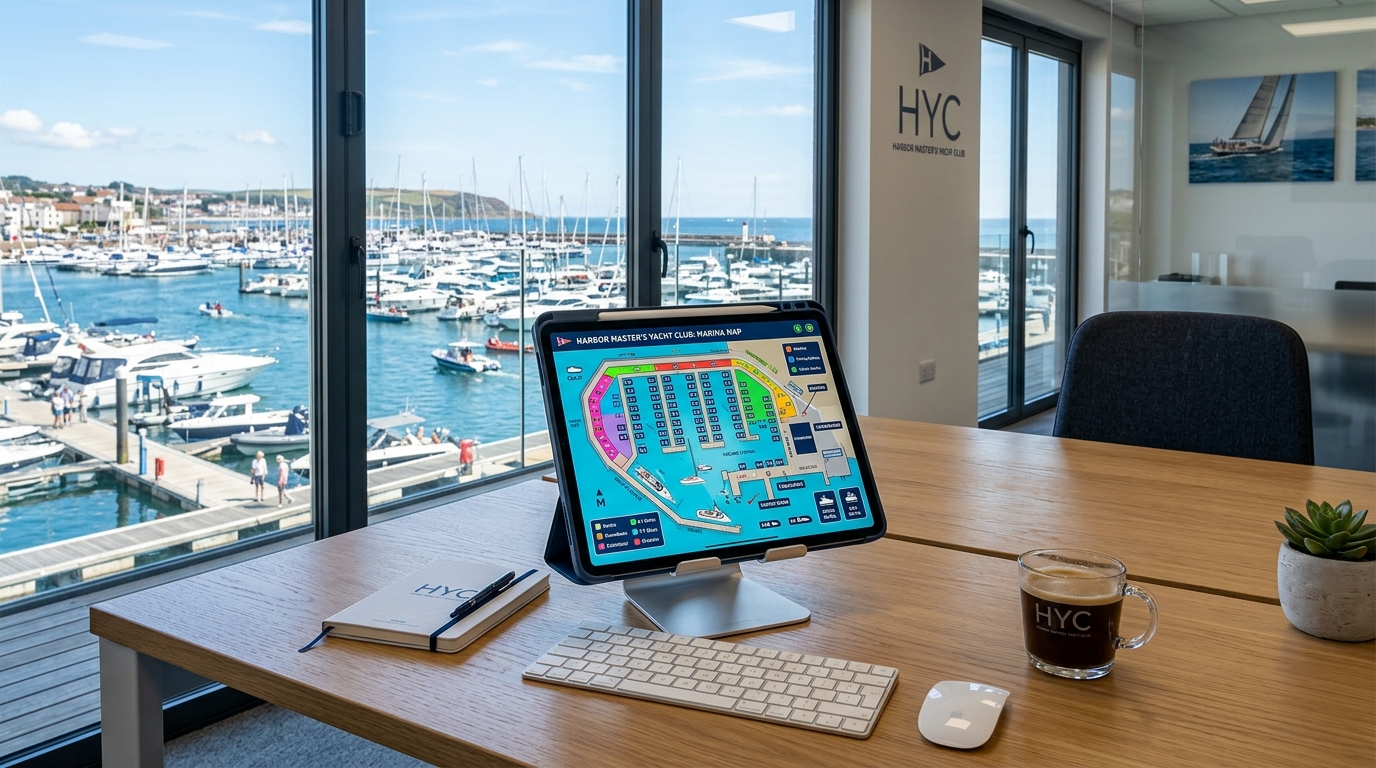
Not if it is designed with the user in mind. Modern, cloud-based platforms feature intuitive, visual dashboards (like the Marina Match Dock Master Dashboard) that require minimal training. They are designed to simplify tasks rather than complicate them, making the transition from paper or legacy systems smooth and stress-free.
How do Autonomous Boats interact with smart marina networks?
Autonomous and semi-autonomous vessels rely on real-time data transfers to navigate close-quarters berthing. They communicate directly with the marina's digital platform to receive designated slip assignments, depth profiles, and tidal information, allowing the vessel's onboard computers to execute precise docking procedures.
How are payments kept secure when renting a private dock?
Platforms like Marina Match utilize institutional-grade, PCI-compliant payment gateways such as Stripe. This ensures that all transactions are encrypted and secure, protecting both the boater's financial data and ensuring the property owner receives their funds promptly and directly.
Can a yacht club benefit from implementing smart marina technologies?
Definitely. Yacht clubs often manage complex rosters of member slips, visitor berths, reciprocal agreements, and dry storage areas. Implementing dedicated club-friendly software streamlines member billing, automates reciprocal booking verifications, and ensures that vacant member slips can be easily monetized for visiting cruisers.
Conclusion: Embellishing Your Operations for a Connected Boating Future
The tide of digital transformation is sweeping across the maritime industry, redefining how we think about vessel navigation, port logistics, and slip management. Embracing connected boating is no longer a speculative venture for the future—it is a practical strategy for today. Whether you are a commercial marina operator looking to optimize slip occupancy, a yacht club manager seeking to elevate member services, or a waterfront property owner wanting to rent out a private berth, the solution lies in integrated, intelligent technology.
By consolidating real-time availability, secure peer-to-peer marketplaces, automated waitlists, and advanced analytics into a single cloud-based dashboard, Marina Match is paving the way for a more connected, efficient, and accessible waterfront. As we sail toward a future defined by smart docks and Autonomous Boats, having the right digital infrastructure in place ensures your operations remain resilient, profitable, and ready for whatever lies over the horizon.
Are you ready to bring your waterfront operations into the digital age? Discover how easy it is to list your space, manage your slips, and join a growing global community. Explore the future of maritime management today by connecting with the team at Marina Match.
Recent Blogs