Synchronising Waterfront Ecosystems through Smart Marina Management
The Modern Maritime Operational Landscape
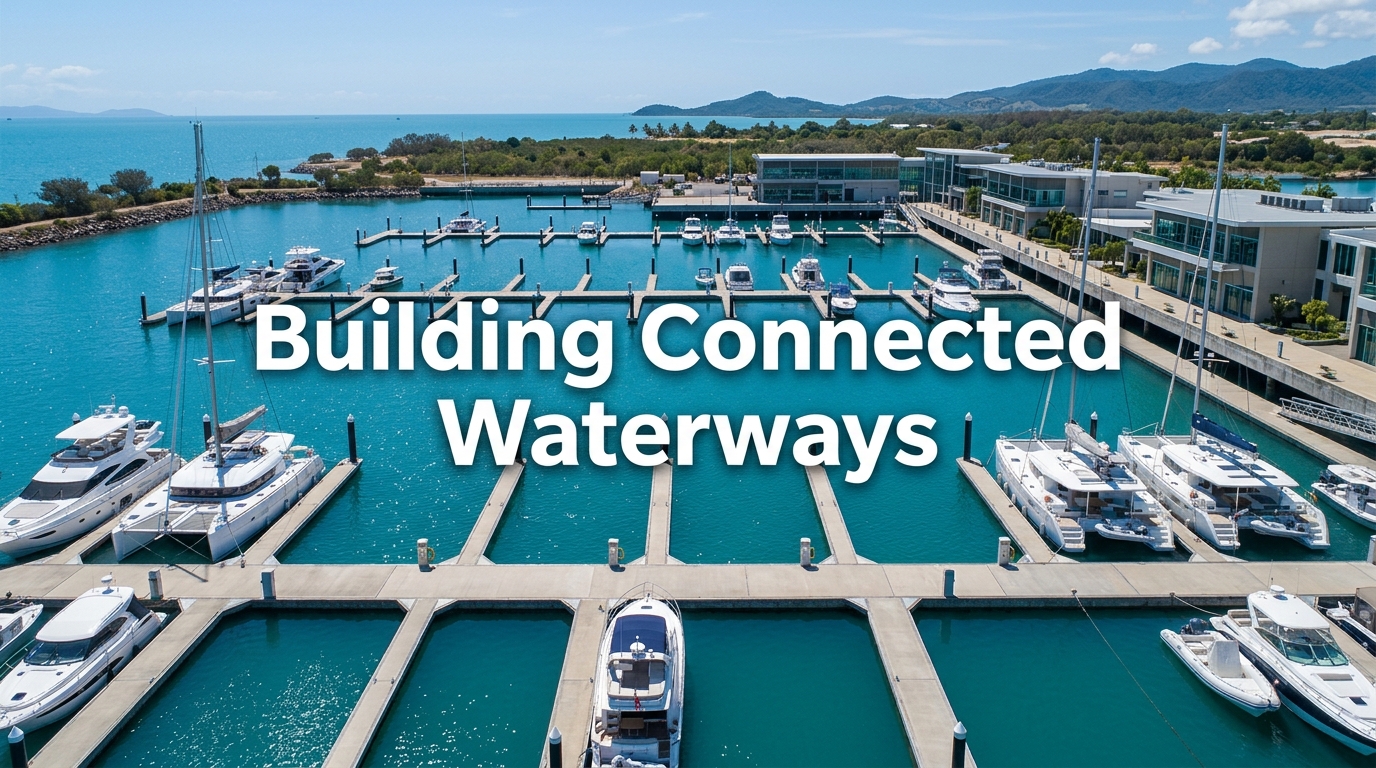
The maritime industry is standing at the precipice of a significant digital transition. For decades, harbor masters, yacht club administrators, and waterfront property owners operated in silos, relying on paper logbooks, spreadsheet grids, or isolated desktop software to track vessel arrivals and departures. This fragmented approach frequently led to lost revenue, unutilized slips, and frustrated boaters who struggled to secure safe harbor. Today, the rise of cloud technology, real-time data, and intelligent automation is bridging these gaps. At the center of this evolution is smart marina management, a holistic operational approach that transforms isolated docks into highly connected, responsive hubs.
For a typical marina operator, daily tasks have historically been defined by administrative friction. Managing phone calls, cross-referencing paper maps, and manually organizing waitlists consume valuable hours that should be spent maintaining facilities or assisting customers. When a transient boater seeks an urgent berth reservation, the friction of manual communication often drives them elsewhere. This operational inefficiency directly impacts seasonal occupancy and overall marina revenue. By transitioning to a unified system, operators can automate routine logistics and focus on delivering premium experiences.
The transition from legacy practices to digital infrastructure represents a leap in how waterways are governed and monetised. Modern marina ecosystems do not just replace paper with digital screens; they connect distinct, moving pieces of the marine world into a single, accessible network. This connectivity is essential for streamlining slip allocations, reducing human error, and laying the groundwork for more advanced automated systems in the future.
Unlocking Latent Inventory: The Private Dock and Jetty Market
The marine ecosystem is wider than just commercial facilities. Thousands of private jetties, residential boat slips, and private moorings sit empty for months of the year, while nearby commercial marinas turn boaters away due to lack of space. Historically, if a waterfront property owner had a boat dock for sale or wanted to establish a private dock rental, they lacked a centralized platform to connect with active boaters. Conversely, commercial operators were unable to tap into this distributed, nearby inventory.
Integrating these private assets into a wider network is a primary focus of modern marine technology. By listing a private dock or listing a boat dock for sale on a modern marketplace, owners unlock latent equity, while boaters gain access to a larger pool of secure moorings. This democratization of anchorage benefits the entire boating community, mitigating slip shortages in high-demand waterways and offering flexible alternatives during peak seasons.
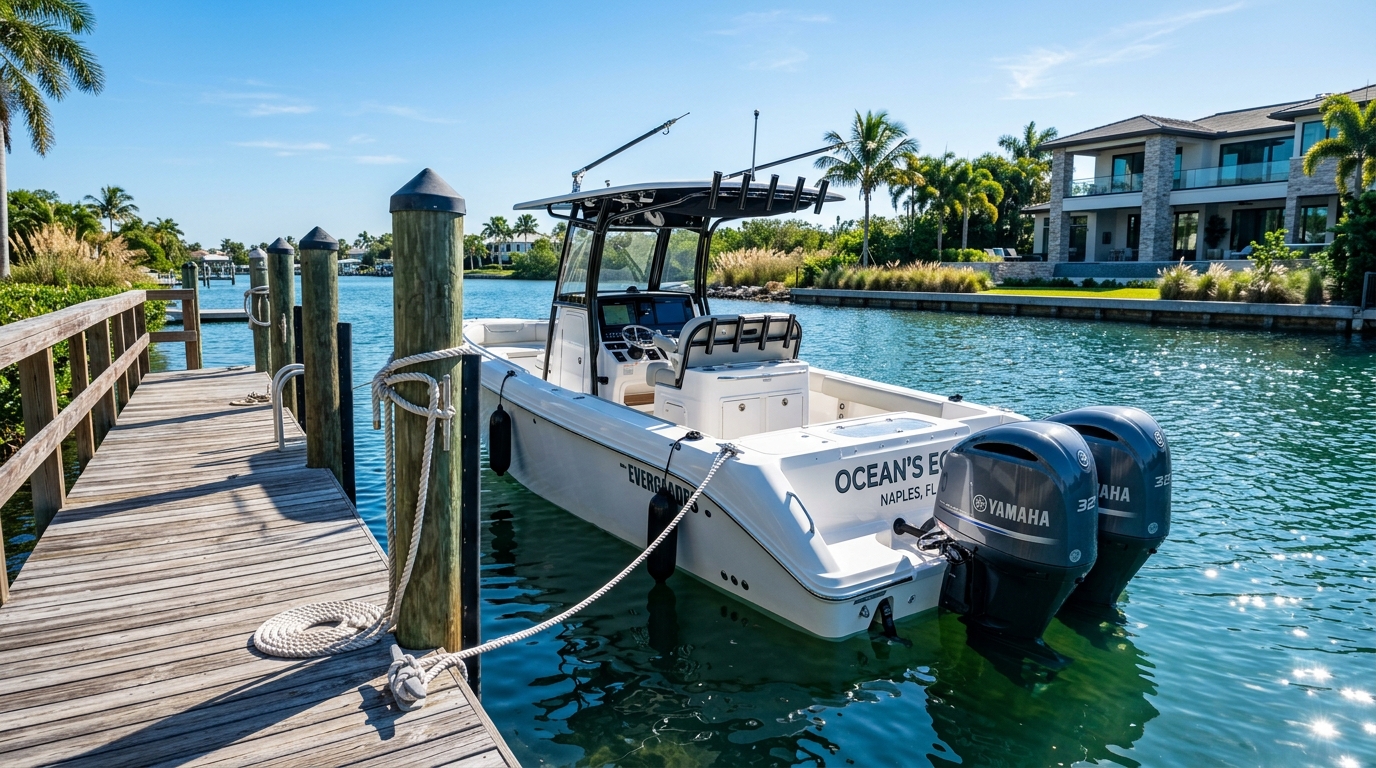
Furthermore, private jetty owners can enjoy the same level of security and simplicity as commercial operators. By utilizing secure transaction gateways and automated booking flows, the private sector can lease out unused space without the administrative headache of draft leases or manual bank transfers. This integration elevates the value of waterfront properties, transforming passive assets into active, yield-generating nodes within a global network.
The Core Pillars of Modern Smart Marina Management
To successfully transition into the digital era, operators must understand the foundational components of smart marina management. These elements work in tandem to create a frictionless environment for both dock masters and visiting vessels:
- Live Berth Availability & Interactive Mapping: Replacing static charts with dynamic, color-coded visual maps. Operators can instantly view which slips are occupied, reserved, or vacant, filtered by depth, beam clearance, and power requirements.
- Seamless Online Marina Booking: Allowing boaters to view open slips, select their desired dates, and secure a spot in real time via their mobile devices, eliminating the need for back-and-forth emails.
- Automated Waitlists & Dynamic Pricing: Utilizing intelligent queues that automatically notify waitlisted boaters when a slip becomes available due to a late cancellation, maximizing occupancy.
- Unified Payment Gateways: Integrating secure systems like Stripe to handle transactions instantly, reducing administrative tracking and ensuring prompt payouts.
By implementing these core pillars, marine facilities reduce operational friction, protect against double-bookings, and capture booking intent the moment a boater plans their voyage. The result is a highly responsive business model that adapts to changing weather patterns, mechanical issues, and seasonal surges with minimal manual intervention.
Optimising Operations for Yacht Clubs and Commercial Harbors
Yacht clubs and commercial harbors operate under different constraints than standard transit docks. They must balance member privileges, long-term slip leases, and transient guest arrivals. This complexity requires advanced yacht club management tools that can apply distinct rule sets based on user tiers. For example, members might receive priority booking windows and discounted rates, while transient yachts are charged based on live market demand.
With a comprehensive marina reservation software platform, club administrators can easily program these rules. If a permanent member logs that they will be cruising away from their home port for two weeks, the system immediately marks their slip as available for transient rent. This dual-use strategy dramatically increases utility rates and opens new revenue streams without compromising member satisfaction.
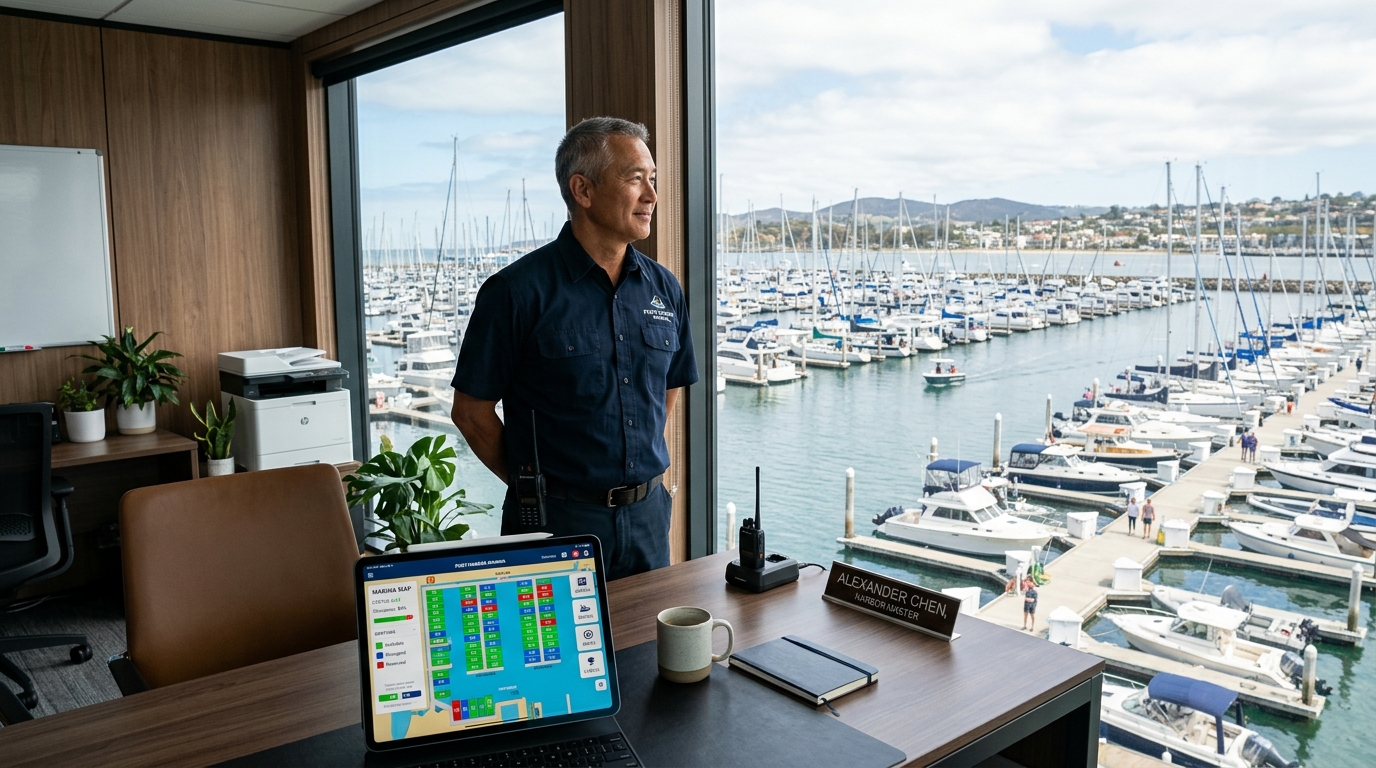
On the operational front, having a dedicated Dock Master Dashboard ensures that dockhands are prepared for arrivals before the vessel even enters the harbor. They can view the incoming boat's specifications, special power requirements, and expected arrival time, allowing them to provide a professional, high-touch greeting. This level of service builds brand loyalty and encourages repeat visits.
Driving Revenue with Data-Driven Marina Analytics
Operational intuition is valuable, but data-driven decisions are what ultimately secure long-term profitability. Modern marine platforms compile thousands of daily data points into digestible marina analytics. By examining these metrics, operators can identify historical occupancy dips, track peak revenue hours, and adjust their pricing structures accordingly.
Consider how traditional facilities compare to those utilizing smart analytics dashboards:
- Occupancy Tracking: Traditional systems rely on manual dock walks and end-of-day counts. Smart systems offer real-time occupancy maps with automatic updates as vessels check in or out.
- Revenue Management: Traditional models use flat, seasonal rates updated once a year. Smart systems track demand fluctuations, allowing operators to implement dynamic pricing during major local events or holiday weekends.
- Waitlist Efficiency: Traditional operators call down a spreadsheet list, often leaving berths empty while waiting for callbacks. Smart systems send automated SMS or email alerts to the next in line, securing bookings in minutes.
- Financial Reporting: Traditional operations require manual reconciliation of cash, checks, and card receipts. Smart systems provide unified billing dashboards with automated reconciliation and real-time revenue exporting.
By moving away from guesswork, operators can confidently invest in physical upgrades, knowing exactly which slip sizes or amenities yield the highest return on investment. Analytics turn raw data into a roadmap for growth, ensuring the harbor operates at peak economic efficiency.
Looking Ahead: The Future of Marina Match as a Connected Global Utility
As we look to the horizon, the marine industry is moving toward complete digitization. The Future of Marina Match lies in its role as the connective tissue of a global marina network. By aggregating commercial harbors, municipal docks, yacht clubs, and private moorings into a single, searchable ecosystem, the platform eliminates the traditional barriers to maritime travel.

In this connected future, a boater will be able to plan a multi-stop coastal voyage with the same ease as booking a road trip online. Artificial intelligence will play a vital role, automatically suggesting routes, predicting slip availability based on weather forecasts, and matching vessels with berths that fit their precise draft, beam, and utility needs. Marina Match is actively building the infrastructure required to make this seamless journey a reality.
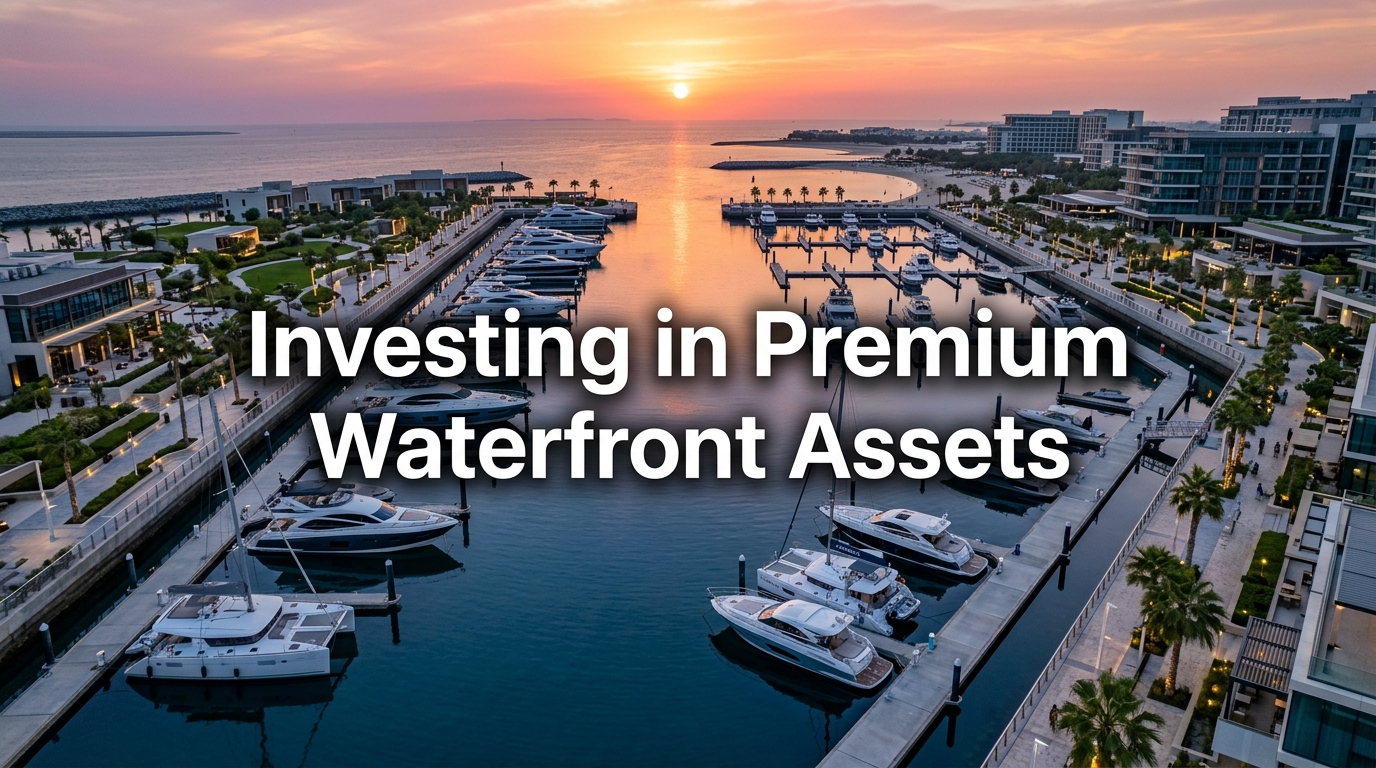
For owners of private waterfront assets, this network expansion means unprecedented visibility. A private dock rental or a boat dock for sale will no longer be limited to local classified ads. Instead, these listings will be presented to a global audience of verified boaters, ensuring maximum exposure and secure transactions. By blending commercial precision with private inventory, the platform is creating a more resilient, accessible, and sustainable waterfront economy.
Frequently Asked Questions
What is smart marina management, and how does it benefit operators?
It refers to the integration of cloud software, real-time data, and automation into daily harbor operations. It benefits operators by reducing administrative tasks, eliminating booking errors, automating waitlists, and providing deep analytics to maximize slip occupancy and revenue.
How can a private owner list a boat dock for sale or rent?
Private owners can easily list their jetties, slips, or docks on the Marina Match marketplace. This connects them directly with verified boaters looking for long-term purchases or short-term rentals, handled through secure payment gateways like Stripe.
What features should modern yacht club management software include?
Effective software should include interactive slip maps, tier-based member pricing, transient reservation tools, automated waitlists, secure payment processing, and a dedicated dashboard for dock masters to manage daily arrivals.
How does live berth availability reduce vacancy rates?
Live availability displays real-time vacancies to boaters searching online. If a slip becomes vacant unexpectedly, the platform immediately opens it for booking or alerts the next boater on the automated waitlist, preventing lost revenue.
Is online marina booking secure for high-value transactions?
Yes. Modern platforms use highly secure, industry-standard payment processors like Stripe to manage transactions, protect user data, and ensure seamless financial transfers for both commercial operators and private dock owners.
How does an automated waitlist improve harbor logistics?
Instead of staff manually calling boaters when a slip opens, an automated waitlist system instantly contacts the next boater in line via SMS or email. If they decline or fail to respond within a set window, the system moves to the next candidate automatically.
Bridging the Gap to Modern Maritime Operations
Embracing digital transformation is no longer a luxury for marine businesses—it is a necessity for staying competitive in a fast-evolving market. By shifting away from fragmented manual systems and adopting cohesive smart marina management practices, operators, yacht clubs, and private landowners can dramatically simplify their logistics, protect their margins, and deliver a seamless experience to modern boaters.
The maritime industry thrives on connection, and the future belongs to those who connect their docks with intelligent data. Whether you are managing a large-scale commercial harbor, overseeing a prestigious yacht club, or looking to list a private jetty, having the right digital tools is the key to unlocking your waterfront's true potential. Discover how the Future of Marina Match can transform your operations today by exploring our smart management solutions and joining our rapidly growing global network.
Recent Blogs