
Optimising Waterfront Operations as an Automated Marina
The marine industry is undergoing an unprecedented digital shift. Historically, managing a waterfront meant relying on paper logs, whiteboards, and manual coordination. However, as boat ownership surges and transient cruisers expect frictionless, on-demand services, the limitations of legacy management systems have become a major operational bottleneck. Today, transitioning to a modern automated marina model is no longer a futuristic luxury—it is an operational necessity.
An automated marina leverages connected technologies, smart software, and real-time data networks to optimize slip usage, streamline booking processes, and reduce administrative overhead. By unifying physical infrastructure with intelligent management platforms like Marina Match, operators can unlock higher occupancy rates, protect asset integrity, and deliver the seamless digital experience that modern boaters demand. This comprehensive guide explores how automation is reshaping docks, private jetties, and swing moorings globally.
Understanding the Core Operations of an Automated Marina
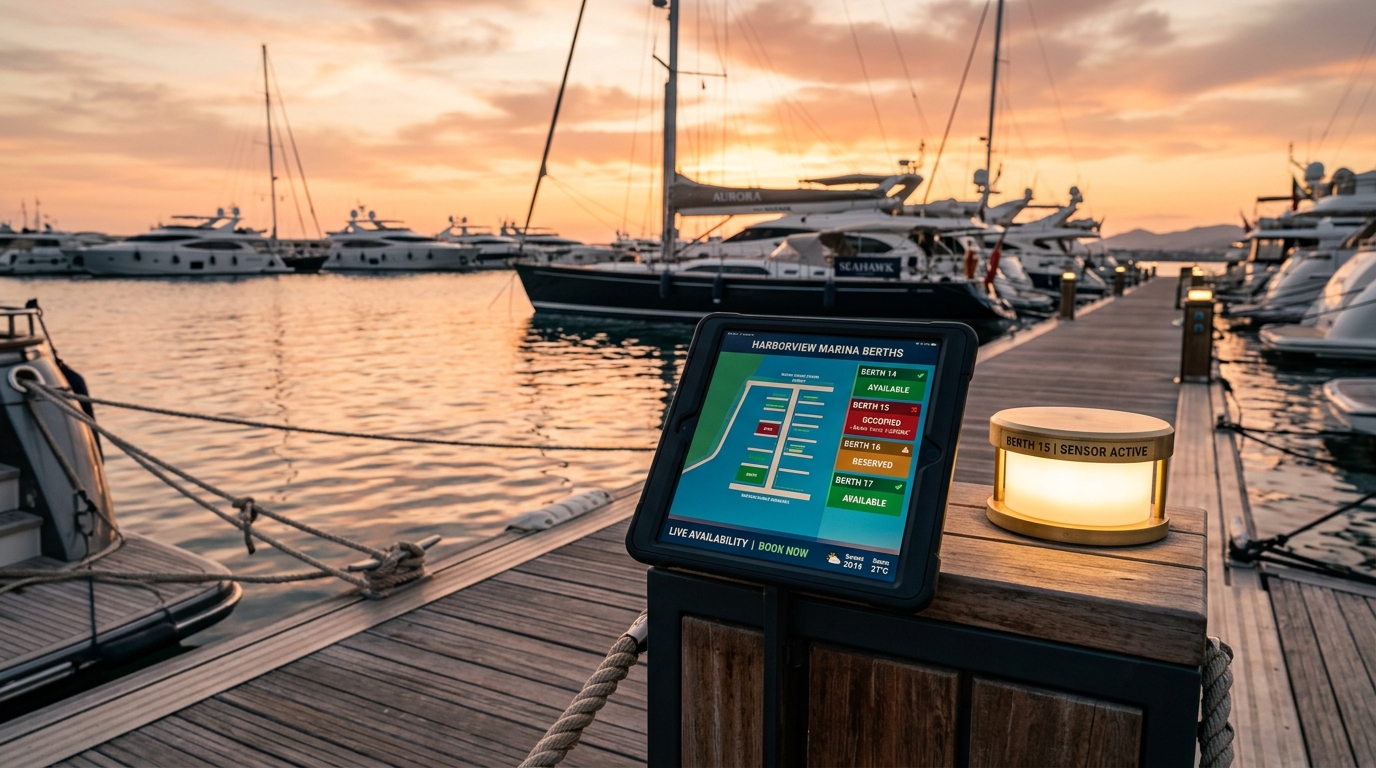
At its core, an automated marina relies on a centralized digital ecosystem that coordinates physical assets with dynamic boater demand. Instead of manual data entry, the system acts as a single source of truth, automating inventory updates, waitlist processing, and vessel verification.
Key operational characteristics of an automated waterfront include:
- Real-Time Slip Allocation: Advanced algorithms process incoming vessel dimensions, draft requirements, and power needs to allocate the perfect slip instantly, eliminating the risk of human error or double-bookings.
- Dynamic Utility Tracking: Integrated smart pedestals measure electricity and water consumption per berth, automatically associating usage with the boaters account and billing them directly upon departure.
- Frictionless Check-ins: Boaters arrive, receive their digital berth assignments via their mobile devices, and access security gates without needing to visit the marina office during limited operational hours.
By automating these repetitive, manual steps, harbor masters and dock teams can step away from administrative desks and focus on face-to-face customer service, safety compliance, and physical property maintenance.
Maximising Asset Yield with Smarter Mooring Management
Every unused swing mooring represents lost revenue. Yet, manual tracking of outlying mooring fields is notoriously difficult. Because moorings are located offshore, physically verifying occupancy requires staff to take a tender out to the field, wasting time and fuel.
An automated approach solves this visibility gap through integrated marina management software and connected digital maps. Here is how automation optimizes offshore assets:
- Visual Map Synchronization: A live, interactive Marina Map View gives operators an instant overview of which moorings are vacant, occupied, or reserved.
- Automated Check-outs: When a transient boater departs their designated buoy and checks out via their dashboard, the system immediately updates the inventory status, making the mooring available for the next incoming vessel.
- Safety and Compliance Tracking: Automated systems store mooring maintenance logs, anchor chain ratings, and service histories, ensuring operators never allocate a vessel that exceeds the physical limits of the tackle.
By bringing outlying moorings into the main digital dashboard, operators can comfortably increase occupancy without risking safety or overcommitting their staff.
Simplifying the Boat Berth Rental Lifecycle for Boaters
For boaters, securing a safe harbor should not require endless phone calls or waiting for email confirmations. The heart of the modern waterfront experience is an intuitive, self-service boat berth rental lifecycle that operates 24/7.
An automated booking pipeline consists of three seamless phases:
First is the discovery phase. Boaters search for slips, view real-time pricing, and verify that the facility can accommodate their beam and draft. Platforms like the Marina Match Marina Marketplace allow users to view live availability instantly, eliminating the anxiety of last-minute cruising plans.
Second is the reservation and payment phase. When a boater submits a berth reservation, the software automatically cross-references the vessels documentation, processes payment securely using integrated systems like Stripe Secure Payments, and issues digital access credentials. This eliminates the need for manual credit card handling and ensures immediate cash flow for the operator.
Third is the automated waitlist phase. If a popular destination is fully booked, boaters can join an automated waitlist. When a guest cancels, the system automatically offers the spot to the next eligible boat in line, instantly filling the vacancy without manual intervention from the dock master.
Inside the Technology Stack of a Modern Dock
Achieving true automation requires a robust synergy between intuitive software interfaces and reliable physical hardware. To understand how these components interact, it is helpful to look at the differences between traditional methods and automated workflows.
Traditional vs. Automated Waterfront Management:
- Berth Allocation: Traditional systems rely on handwritten dry-erase boards, causing frequent double-bookings. Automated systems use precise digital slot-matching based on vessel dimensions, beam, and draft, ensuring flawless slip assignments.
- Waitlist Processing: Traditional methods involve manual phone call lists that result in delayed notifications and missed revenue. Automated waitlists automatically offer vacant slots to the next qualified boater in real-time.
- Payment Processing: Traditional billing requires paper invoicing, checks, or phone transactions with high labor costs. Automated systems utilize integrated Stripe payment gateways for instant, secure online transactions.
- Private Asset Sharing: Traditional private docks are hidden from public view and underutilized. Automated networks integrate private inventory into a public marketplace, allowing seamless peer-to-peer rentals.
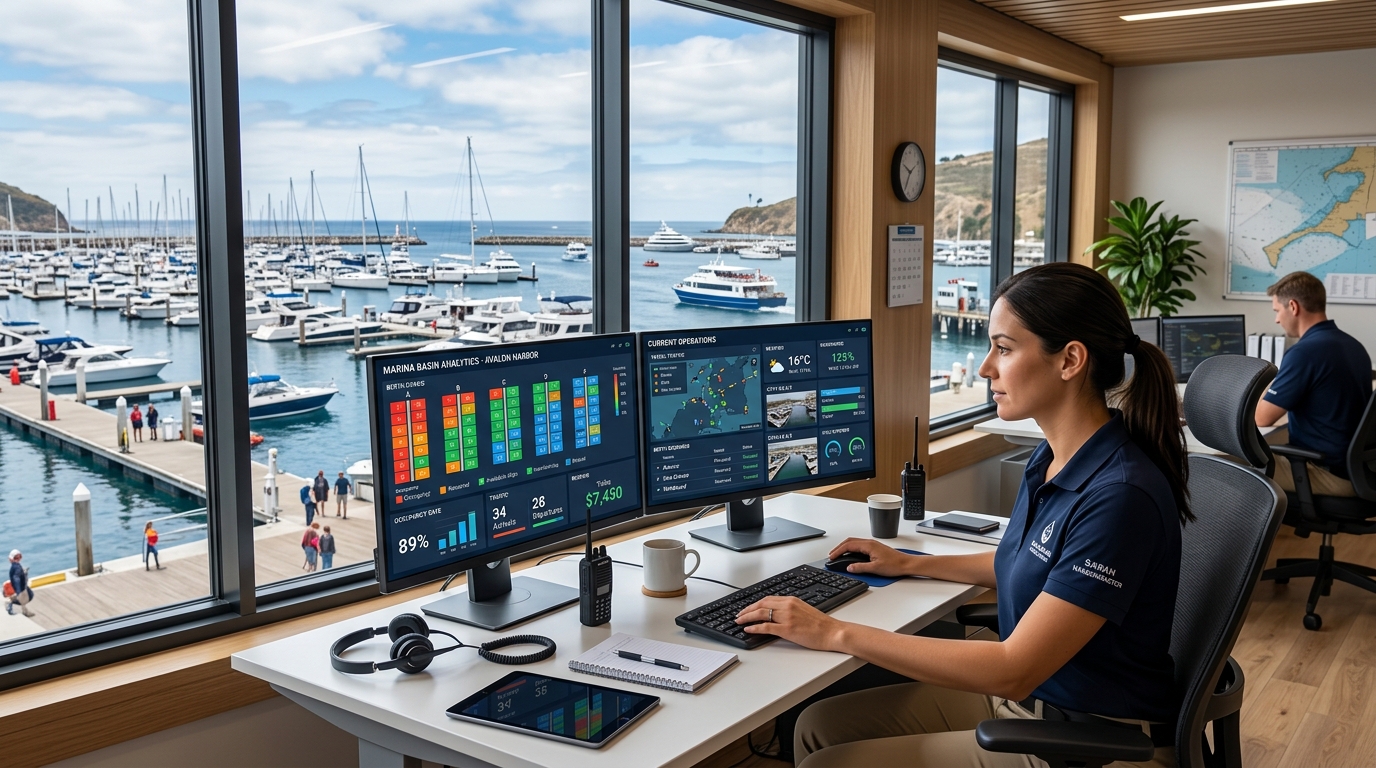
- Data Analysis: Traditional tracking relies on retroactive spreadsheets that make seasonal forecasting difficult. Automated systems feature a live Revenue Dashboard with predictive marina analytics.
Through this technology stack, a Smart Marina can confidently manage its daily workload. Features like the Dock Master Dashboard provide a unified control panel, keeping everyone from administrative staff to dockhands on the same page.
Bridging the Gap Between Private Jetty Owners and Commercial Operators
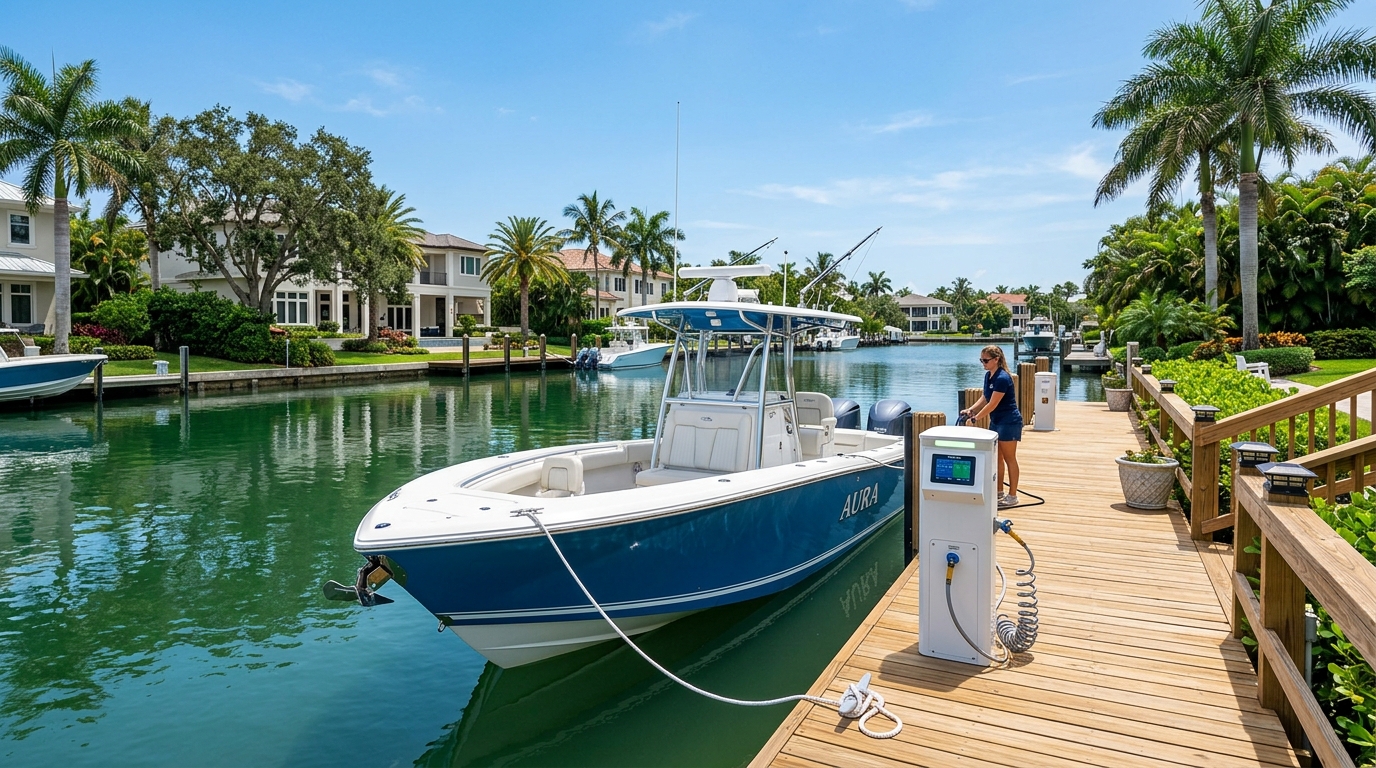
One of the greatest challenges in the marine industry is slip scarcity. While commercial marinas are often booked to capacity during peak seasons, thousands of private slips, residential docks, and private jetties sit empty. Integrating these underutilized assets into the broader marine ecosystem is key to expanding global berthing capacity.
For waterfront property owners, a private dock rental can transform a vacant asset into a reliable passive income stream. However, many owners hesitate to rent their docks due to administrative burdens, liability concerns, and the difficulty of finding reliable boaters. This is where automation and specialized platforms bridge the gap.
By utilizing secure Private Jetty Listings, homeowners can easily set their pricing, specify vessel size limits, and define availability windows. Boaters looking for a unique berth for rent or even a berth for sale can browse these verified private listings alongside commercial slips. The automated system handles the legal terms, ensures safe payment routing, and confirms that incoming vessels hold valid insurance, offering peace of mind to private stakeholders while expanding options for the cruising community.
Transitioning to Automated Workflows: Best Practices
Transitioning a legacy facility to an automated model does not have to happen overnight. Successful operators generally follow a phased migration strategy to ensure minimal disruption to their current guests.
First, start by migrating your offline inventory to a cloud-based database. Creating an accurate digital map of your slips, dry stacks, and moorings establishes the foundation for all automation rules. During this phase, import existing seasonal contract data to keep your current boaters integrated.
Next, automate your booking process. Introduce online reservation links on your website and sync them with your live inventory. This immediately reduces the volume of phone inquiries and allows your front desk to handle physical guest arrivals more efficiently.
Finally, activate advanced automated features, such as automated waitlists and smart billing workflows. By gradually scaling your tech stack, your team can adapt to the new digital processes while steadily improving customer satisfaction and driving higher overall occupancy.
Building a Connected Global Marina Network
The ultimate goal of waterfront automation is to build a highly connected global marina network. When individual facilities, yacht clubs, and private dock owners share data on a unified platform, the entire boating community benefits.
A connected network allows cruisers to plan complex multi-stop voyages with guaranteed dockage at every destination. It also enables operators to share regional occupancy trends, dynamically adjust pricing based on real-time market demand, and coordinate emergency slip sharing during severe weather events. By aligning individual operations with a global digital framework, platforms like Marina Match are building the core infrastructure for a truly connected, modern, and resilient marine ecosystem.
Frequently Asked Questions About Smart Docks
What is an automated marina?
An automated marina is a facility that uses cloud-based software, real-time data tracking, and integrated booking platforms to manage dockage, moorings, and utility billing automatically, minimizing manual tasks and optimizing slip utilization.
How does automated berth allocation work?
The system analyzes the incoming vessels length overall (LOA), beam, draft, and electrical requirements, then instantly matches it to an available slip that meets those exact physical specifications, preventing double-bookings.
Can private dock owners list their berths for rent safely?
Yes. By listing on a secure platform like Marina Match, private jetty owners can require boater profile verification, verify insurance, automate digital lease agreements, and handle all financial transactions securely through Stripe.
What are the benefits of automated waitlists?
When a booked slip is cancelled, the system automatically contacts the next boater on the waitlist who has a compatible vessel size. This keeps the slip occupied without requiring the marina staff to call through lists manually.
Can yacht clubs use automated management software?
Yes. Modern software integrates yacht club software tools to manage exclusive member benefits and member-only slips, while also allowing the club to automate transient slip rentals to the public during off-peak times to maximize revenue.
How does automation improve the guest experience?
Boaters enjoy 24/7 self-service booking options, instant confirmation notifications, clear mobile check-in instructions, and hassle-free automated billing, which makes their stay smooth, convenient, and highly enjoyable.
Embracing the Future of Modern Waterways
The transition toward automated waterfront management represents a massive leap forward for the marine industry. By replacing manual workflows with cloud-based automation, operators can eliminate administrative stress, protect their infrastructure, and unlock hidden revenue across slips, moorings, and private jetties alike.
Whether you manage a busy commercial harbor, oversee a local yacht club, or own a private dock, embracing digital tools is key to staying competitive in today's boating market. Take the first step toward a more efficient, profitable, and stress-free waterfront by exploring the automated tools, live map views, and global marketplace listings available today through Marina Match.
Recent Blogs
August 22, 2026
Optimising Waterfront Operations as an Automated Marina
August 20, 2026
Monetising a Private Jetty: Safe Mooring Rentals
July 15, 2026
Navigating the Future of Connected Boating