
Unifying the Waterfront: The Power of Modern Marina Reservation Software for Connected Marinas
The global marine industry is undergoing a structural paradigm shift. For decades, marina operations relied on manual logbooks, localized whiteboards, and siloed desktop software to manage slips and transient boaters. Today, as vessel sizes change, boater expectations shift, and coastal space becomes increasingly premium, these analog practices introduce massive operational friction.
To remain competitive and resilient, a modern marina business must operate with absolute visibility. This is where the deployment of highly capable, intuitive marina reservation software becomes the defining factor. By serving as the central nervous system of waterfront operations, advanced booking platforms bridge the gap between open water and secure docks, transforming isolated facilities into a highly coordinated, connected marina ecosystem.
Whether you are managing a commercial facility with hundreds of wet slips, steering a prestigious yacht club, or seeking to monetize a private jetty, understanding the integration of digital booking tools is essential for future-proofing your assets.
The Shift to the Connected Marina: Why Static Management Fails
A traditional marine facility operates as an island. Slip availability is updated only when a dock master physically walks the pontoons, and reservation requests are bottlenecked by phone calls or unmonitored email inboxes. This model creates substantial inefficiencies, leading to lost revenue from unoccupied transient berths and frustrated boaters who cannot secure guaranteed slips during peak seasons.
In contrast, a connected marina utilizes live data orchestration to link boaters, marina managers, and physical dock space in real time. When a marina operator integrates an automated booking engine, the system acts as a live ledger of current and future capacity. This transition changes how waterfront assets are utilized:
- Dynamic Availability: Instant synchronization between online bookings and physical slips prevents accidental double-bookings.
- Reduced Friction: Boaters can view live availability, select their desired vessel specifications, and submit payments in seconds.
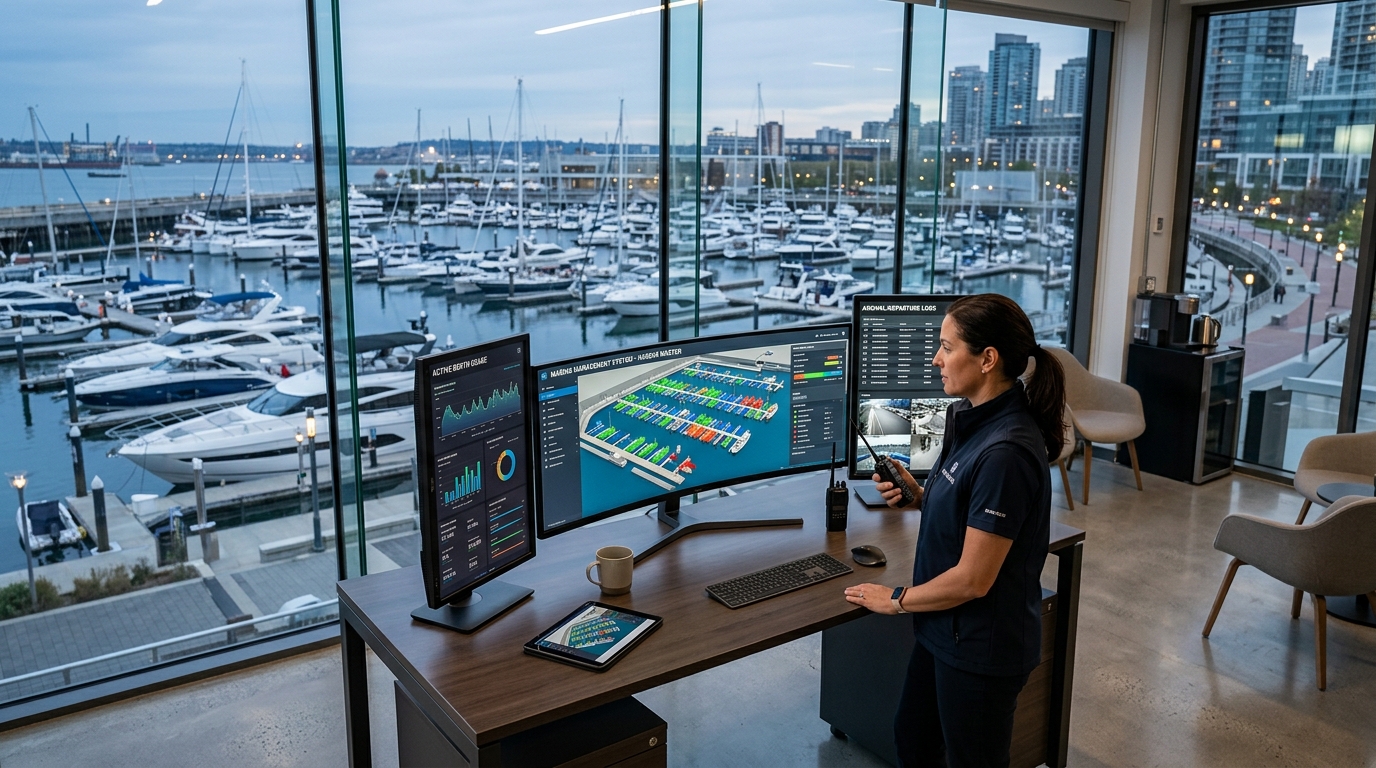
- Operational Transparency: Dock masters can view incoming vessels, vessel drafts, and power requirements directly from an interactive, digital dashboard.
Optimising the Commercial Marina Business: Dynamic vs. Traditional Management
To understand the financial and operational impact of digital modernization, it is useful to compare how key operational tasks are handled under traditional methods versus a modern automated approach.
Berth and Slip Allocation
Traditional Approach: Manual assignments made on paper charts or basic spreadsheets. High risk of human error, especially when managing varying boat beams and drafts.
Automated Approach: Smart rule-based allocations that match boat dimensions with appropriate slips instantly, maximizing physical space layout without manual calculation.
Payment Processing and Financial Reconciliation
Traditional Approach: Invoicing post-arrival, taking credit card details over insecure phone calls, or relying on cash. Time-consuming manual accounting entry.
Automated Approach: Secure, PCI-compliant payment processing at the time of booking via trusted gateways like Stripe. Automatic invoice generation and instant payout reconciliation.
Waitlist Management during Peak Seasons
Traditional Approach: Notepad-based lists that require staff to manually call boaters when a slip opens. Often results in vacant slips when contacts cannot be reached quickly.
Automated Approach: Fully digital, automated waitlists that instantly notify the next boater in line via email or text, offering a specific window to claim the open berth before moving to the next candidate.
Inbound Guest Coordination
Traditional Approach: Radio hail-ins on VHF Channel 16 with no pre-arrival details. Staff are forced to gather boat lengths, drafts, and beam details on the fly.
Automated Approach: Pre-arrival digital check-ins where boaters submit insurance papers, registration details, and expected arrival times well before entering the breakwater.
Choosing the Right Marina Reservation Software for Scalable Operations
Selecting the ideal platform for your waterfront property is not merely about finding a digital calendar; it requires finding an engine designed to scale with your local and global network. Here are the core features every marina operator, dock master, and board member should prioritize:
Interactive Digital Map Views
A high-quality platform must feature an interactive, color-coded visual map of the facility. This allows staff to view actual layouts, identify vacant berths instantly, and understand vessel configurations at a glance. It also empowers boaters during the online marina booking process, allowing them to choose their preferred slips based on proximity to amenities, fuel docks, or fairways.
Integrated Yacht Club Management Features
For member-focused organizations, the reservation architecture must harmonize with yacht club management rules. Members expect priority booking privileges, discounted slip rates, and integrated charging capabilities for club events. A unified platform eliminates the need to maintain separate databases for club memberships and transit reservations.
Automated Communication Protocols
Clear communication reduces mishaps. Modern booking platforms send automated confirmations, gate codes, local marina rules, and safety protocols directly to the boater before they arrive. This ensures the dock crew can focus on physical lines and safety rather than basic administrative check-ins.
Comprehensive Marina Analytics Dashboards
To optimize a marina business, operators need a continuous flow of high-quality data. Robust marina analytics show historical occupancy rates, seasonal revenue trends, average boat lengths, and peak reservation windows. These reports allow managers to implement data-driven pricing models, adjusting rates during high-demand holidays or offering incentives during mid-week lulls.
The Sharing Economy of Waterways: Empowering Private Dock Owners
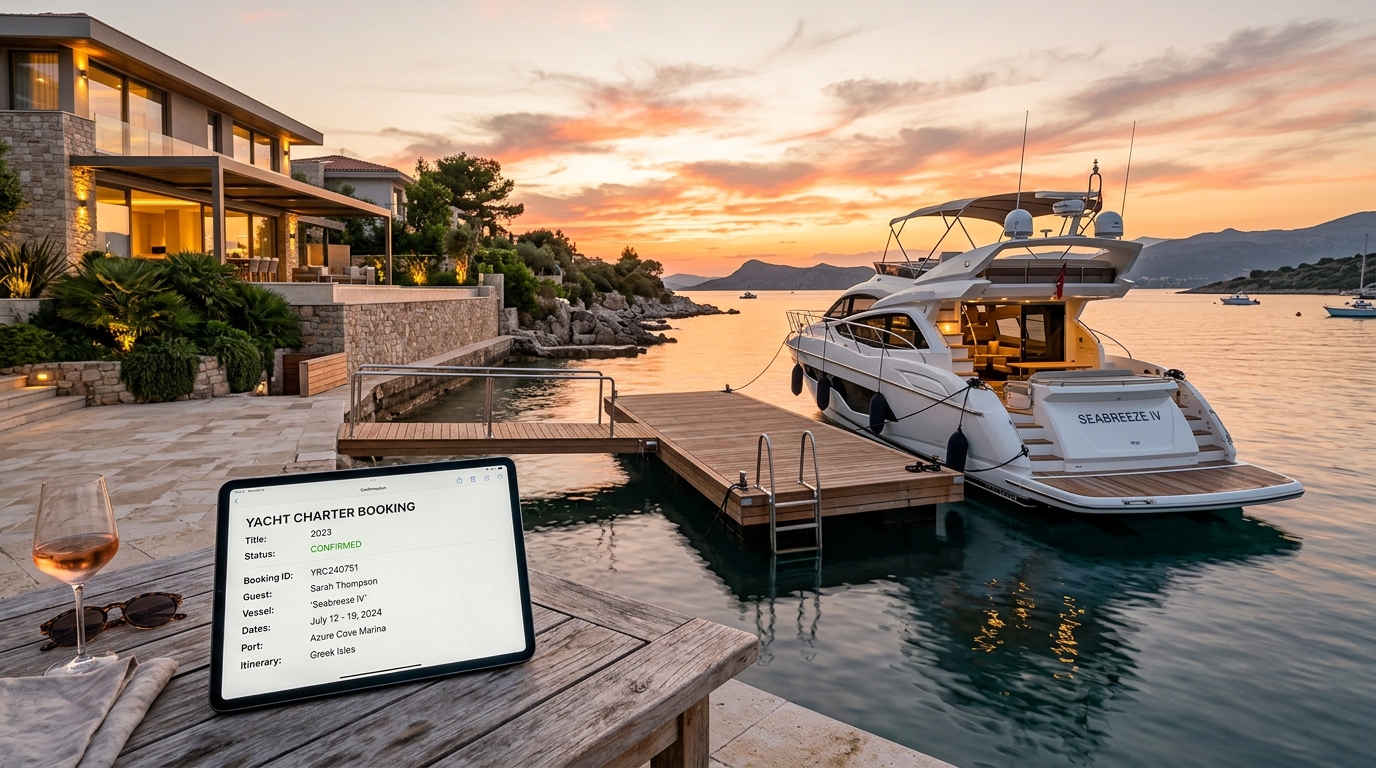
The transformation of marine infrastructure is not limited to commercial marinas. Waterfront property owners with a private jetty, dock, or mooring represent an untapped frontier of secure boat storage. Globally, vessel sales continue to climb, yet commercial slip development is highly restricted by environmental regulations and high construction costs. This dynamic has created a severe shortage of available berths.
By using modern marine marketplaces, private owners can list their empty docks online. If you are a homeowner thinking, "How can I securely rent my jetty?", the answer lies in utilizing the same secure reservation systems that commercial facilities trust. These platforms handle:
- Verified Transactions: Secure, upfront digital payments that eliminate awkward cash collections or unpaid mooring fees.
- Liability and Agreement Management: Standardized digital agreements outlining slip rules, liability, and terms of use to protect both the homeowner and the boater.
- Dynamic Availability Control: Property owners can open their slips to the public during months they are away and lock the calendar when using their own boats.
This decentralized network of private docks expands the global marina footprint without poured concrete or environmental impact. It provides boaters with alternative safe harbors while generating predictable, passive income for waterfront property owners.
Data-Driven Operations: Unlocking Growth via Marina Analytics
Running a successful waterfront facility requires looking beyond basic occupancy metrics. True business intelligence lies in analyzing the relationship between weather patterns, local events, and historical slip usage. Modern marina reservation software tracks these data points over time, helping operators identify exactly which slips yield the highest revenue and which are frequently underutilized.
For example, analytics might show that while 15-meter slips are consistently booked, 10-meter slips experience a 30% vacancy rate during mid-week periods. Armed with this insight, a manager can create target promotions for smaller day-boats, adjust pricing structures, or plan physical dock modifications to merge smaller berths into larger, high-demand slips.
Furthermore, predictive analytics allow for highly efficient resource scheduling. Dock master offices can schedule extra deckhands and fuel dock attendants precisely when high-volume reservation check-ins are forecasted, reducing payroll waste on quiet, low-occupancy days.
The Intelligent Future: Automation and AI-Ready Systems
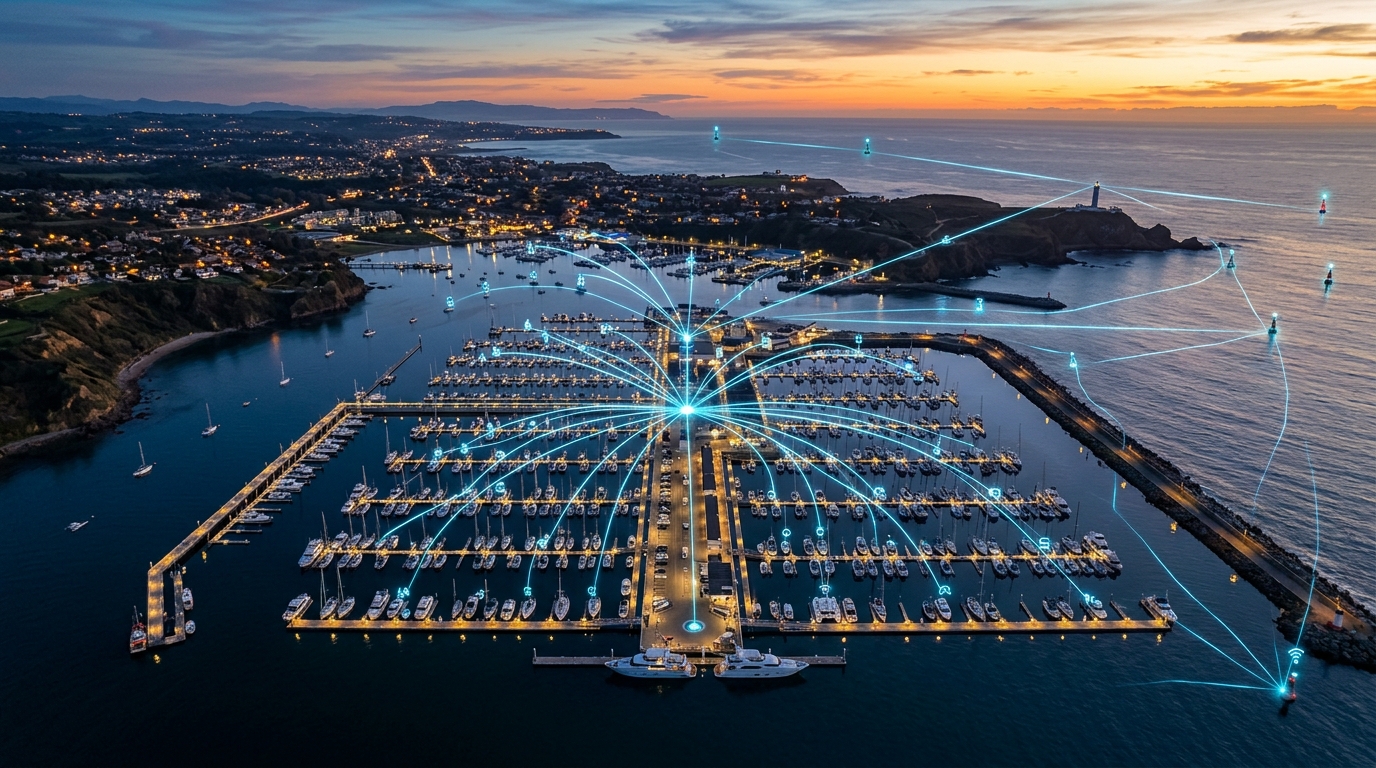
As the maritime world shifts toward smart infrastructure, we are seeing the foundational blocks of artificial intelligence being laid. Today's smart marine platforms already automate complex administrative workflows, such as dynamic price adjustments based on real-time demand and automated waitlist triggers.
In the near future, AI integration will allow for predictive slip allocation. Algorithms will analyze incoming wind directions, tidal shifts, and vessel draft data to automatically assign berths that offer the safest, most stable docking conditions for specific vessel types. These advancements will seamlessly connect with smart utility pedestals, reading water and power usage automatically and billing the boater's profile upon departure without manual staff intervention.
By adopting an agile, cloud-based reservation ecosystem today, marina operators position themselves to adopt these cutting-edge capabilities the moment they are deployed, keeping their facilities at the forefront of global marine technology.
Frequently Asked Questions
What is marina reservation software and how does it help my business?
It is a specialized digital platform designed to automate the booking, allocation, and management of wet slips, dry storage, and moorings. It benefits your business by reducing administrative burdens, eliminating double-bookings, optimizing occupancy, and providing boaters with an easy, self-service online checkout experience.
Can private dock owners use these platforms to rent out their space?
Yes. Modern platforms allow private homeowners with underutilized jetties, docks, or moorings to securely list their spaces for rent. This opens up new revenue streams for property owners while providing transient boaters with vital new mooring options in high-density areas.
How does a digital system protect my marina from liability?
Advanced booking platforms can require boaters to upload valid vessel insurance policies, registration papers, and agree to standard terms of service during the digital checkout process. This ensures all compliance documentation is securely logged in the system before the vessel ever arrives at your dock.
Is modern booking software secure for financial transactions?
Yes. Leading platforms integrate with world-class, PCI-compliant payment processors such as Stripe. This ensures credit card details are encrypted and securely processed, protecting both the marina operator and the boater from fraudulent activity.
How do automated waitlists improve the customer experience?
Instead of requiring boaters to call repeatedly to check for slip cancellations, automated waitlists register their preferences and automatically notify them when a space opens up. This fair, transparent system gives boaters equal opportunities and guarantees the marina immediately fills any last-minute vacancies.
Charting Your Course Forward
The digitization of global waterways is no longer a luxury reserved for mega-yacht facilities; it is a fundamental shift in how the boating community interacts with physical infrastructure. For marina managers, commercial operators, and yacht clubs, integrating modern marina reservation software is the most direct path to reducing operational stress, maximizing slip yield, and delivering the digital-first experience that modern boaters expect.
For private jetty owners, listing underutilized assets on a global marketplace provides a structured, secure, and highly lucrative way to participate in this growing blue economy. By centralizing operations, streamlining payment systems, and embracing transparent real-time data, we can build a highly resilient, globally connected boating network.
To see how your waterfront property can benefit from these advanced tools, explore the intuitive platform solutions at Marina Match. Schedule a live demonstration of our smart marina management tools and discover how easy it is to list, manage, and scale your waterfront operations today.
SEO Metadata Block:
Suggested URL Slug: marina-reservation-software-connected-marina
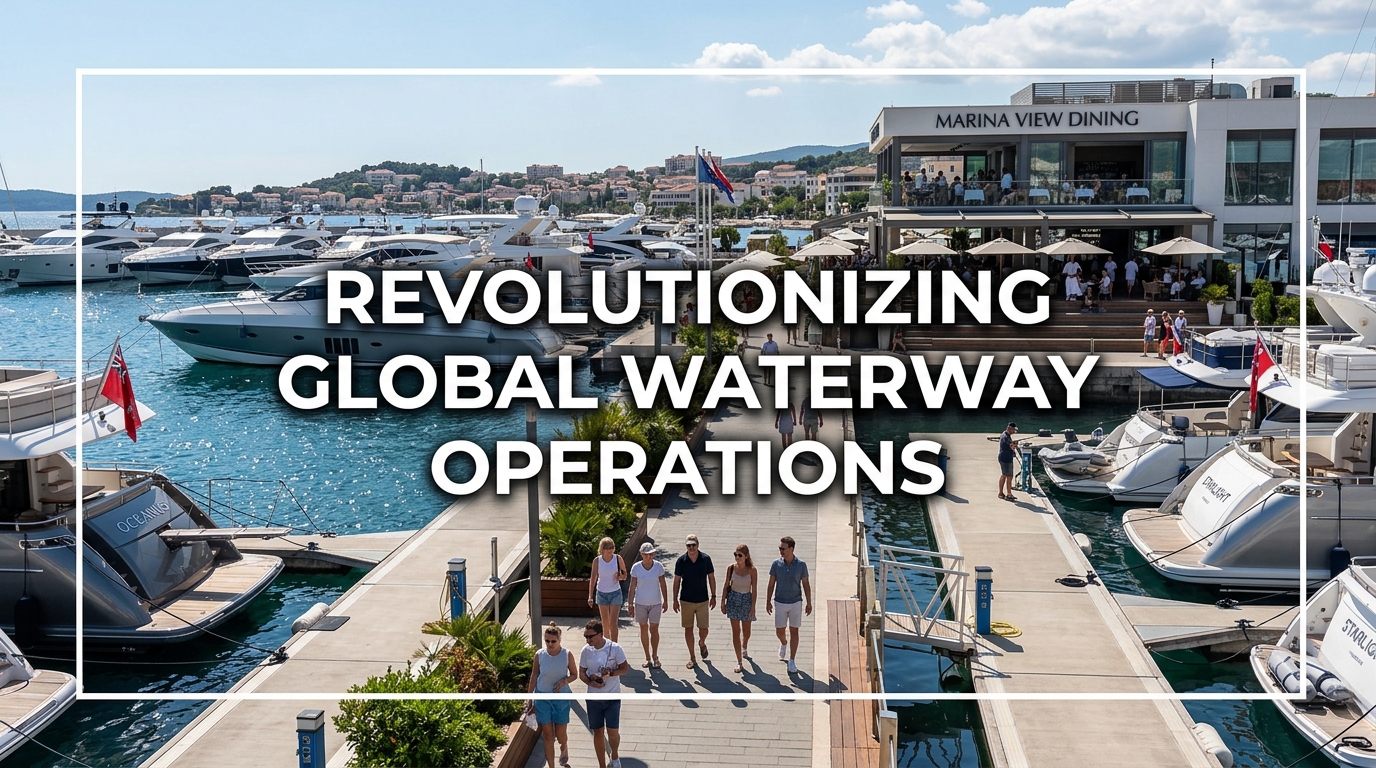
Featured Image Description: A lively marina boardwalk with people walking on a bright day, featuring modern luxury yachts docked alongside clean concrete floating docks and a modern office in the distance.
Alt Text: Luxury yachts moored at a modern connected marina with boaters on the boardwalk on a sunny day.
Social Media Summary: Is your marina business still operating on paper logs? Discover how modern marina reservation software is transforming traditional docks into highly efficient, connected marinas. Learn how to automate bookings, optimize slip occupancy, and even monetize private jetties securely through smart technology. (50 words)
Recent Blogs

August 22, 2026
Optimising Waterfront Operations as an Automated Marina
August 20, 2026
Monetising a Private Jetty: Safe Mooring Rentals
July 15, 2026
Navigating the Future of Connected Boating