Navigating Modern Waterfront Investments: A Strategic Guide to Dock Rental, Private Jetty Assets, and Berth Sales
The global boating industry is experiencing a profound transformation in how marine infrastructure is utilized, monetized, and managed. For decades, the marina sector operated on localized, paper-based, or fragmented booking systems that left significant operational gaps. Today, as vessel sizes grow and boater expectations shift toward instant digital experiences, demand for flexible, transparent dock rental services has reached unprecedented heights.
Whether managing a full-scale commercial facility, overseeing a premier yacht club, or seeking to commercialize an underutilized waterfront property, understanding how to optimize dockage assets is critical. Modern marine logistics requires balancing short-term transient bookings with long-term lease agreements, while seamlessly incorporating non-traditional assets such as private moorings and residential docks. By adopting a unified digital approach, waterfront managers can maximize yield, eliminate administrative friction, and provide boaters with frictionless access to waterways worldwide.
The Evolving Landscape of Commercial and Private Dock Rental
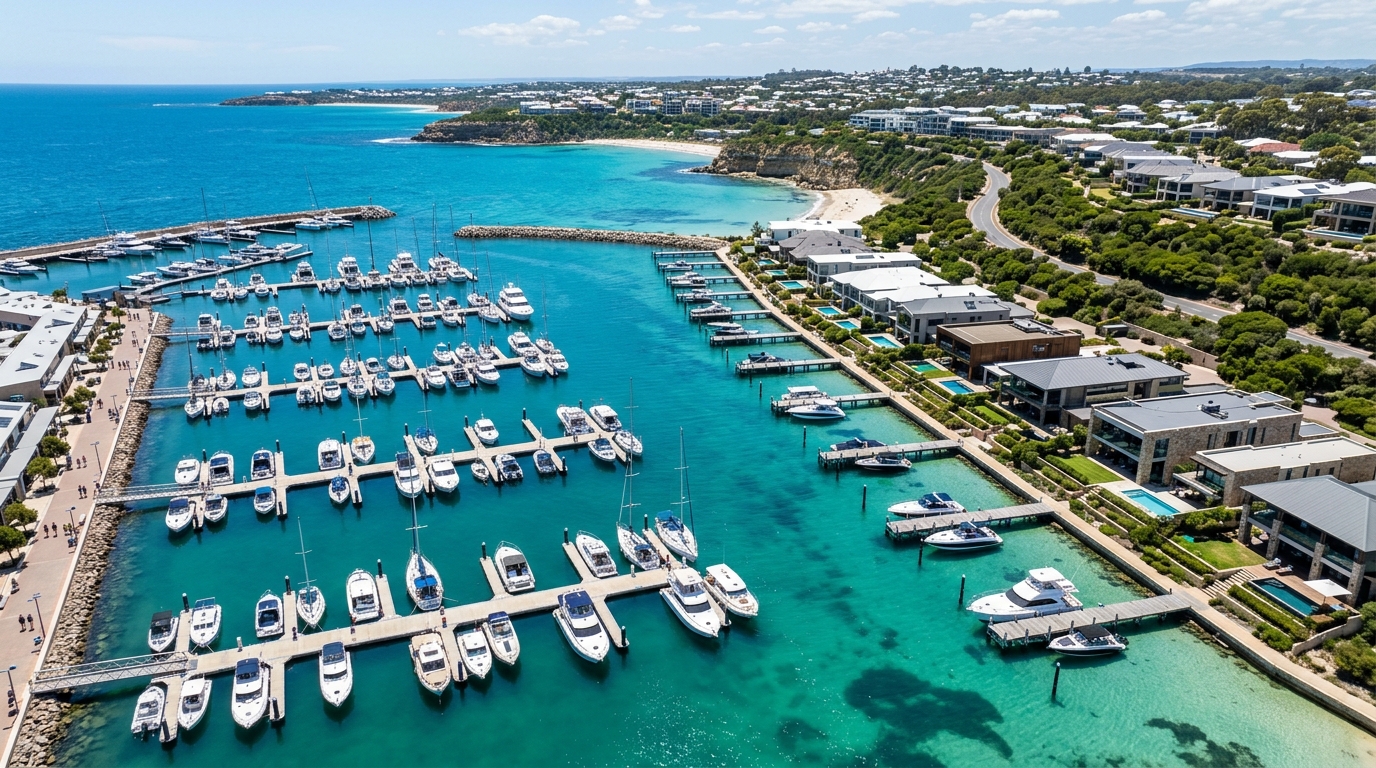
Waterfront real estate remains one of the world's most finite resources. As vessel manufacturing expands and recreational boating participation rises, available slip space in desirable harbors becomes increasingly constrained. Consequently, the search for structured, efficient dock rental solutions is no longer limited to standard marina basins; it spans commercial slips, private jetties, and residential mooring facilities.
Historically, boaters faced a fragmented process when seeking dockage away from their home port. Calling dock masters during business hours, waiting for email replies, or relying on word-of-mouth for private slip availability created friction for vessel owners and lost revenue for operators. Modern digital platforms resolve these bottlenecks by presenting centralized, live inventory views that allow boaters to search, evaluate, and reserve space on demand.
For the professional marina operator, shifting to real-time inventory management creates immediate efficiencies. Rather than keeping slips vacant while waiting for long-term tenants, automated scheduling allows operators to slip transient vessels into unutilized windows. This dynamic approach transforms passive pier space into high-yield active inventory, ensuring that fairways remain productive throughout peak and shoulder seasons alike.
Evaluating the Buy vs. Rent Equation for Boaters and Investors
As competition for prime dockage increases, boaters and marine property investors frequently evaluate whether to pursue long-term lease arrangements, purchase deeded slip rights, or rely on flexible transient rentals. Understanding these dynamics is essential for facility operators structuring their slip mix and pricing schedules.
Acquiring a long-term interest through a boat berth for sale offers vessel owners guaranteed access, equity potential, and protection against rising seasonal rates. For marina developers and investors, offering deeded or long-term equity berths provides immediate capital recovery to fund facility upgrades, basin expansions, or modern utility pedestals. However, equity berths reduce the flexible inventory available for high-margin transient bookings.
Conversely, short-term and seasonal rental models provide boaters with freedom of movement across diverse cruise destinations while generating higher cumulative per-day yields for facility managers. Balancing these models requires deep operational oversight. Leading facilities utilize centralized management platforms to track lease expirations, schedule transient overlaps, and maintain an automated berth waitlist that automatically fills vacancies the moment a slip becomes available.
- Equity Berth Sales: Delivers upfront capital for facility improvements; appeals to local, permanent vessel owners seeking long-term stability.
- Long-Term Seasonal Leases: Provides predictable, recurring seasonal cash flow with lower administrative overhead.
- Transient & Short-Term Rentals: Delivers maximum yield per day, capturing peak holiday demand and cruising traffic.
- Fractional & Private Access: Integrates non-traditional inventory into the market during high-demand events.
Unlocking Capital from Private Jetty and Mooring Infrastructure
One of the most significant shifts in modern marine management is the integration of residential waterfront assets into the broader boat dockage supply. A homeowner with an underutilized private jetty or residential deep-water pontoon holds valuable infrastructure that can help relieve localized slip shortages when connected to a secure marketplace.
Integrating private docks into a managed rental framework offers substantial benefits for both property owners and cruising boaters. Property owners gain a structured mechanism to earn revenue from excess waterfront capacity, backed by verified user profiles, digital agreements, and automated payment processing. Boaters gain access to quiet, secure anchorage points in areas where traditional marinas may be at maximum capacity.
However, bringing private infrastructure into active commercial use requires careful attention to safety, local regulations, vessel dimensions, and access permissions. Professional management software bridges this gap by providing clear listing parameters—such as maximum beam, draft limitations, electrical capacity, and water depths—ensuring that vessels are matched only with suitable moorings. This structured verification protects private property while upholding safety standards across the waterway.
Modernising Operations with Smart Marina Software and Analytics
Managing dynamic dockage across commercial basins, private jetties, and yacht clubs requires powerful technology tailored to marine operations. Legacy spreadsheets and isolated point-of-sale systems can no longer support the speed and clarity required by contemporary dock masters and marine managers.
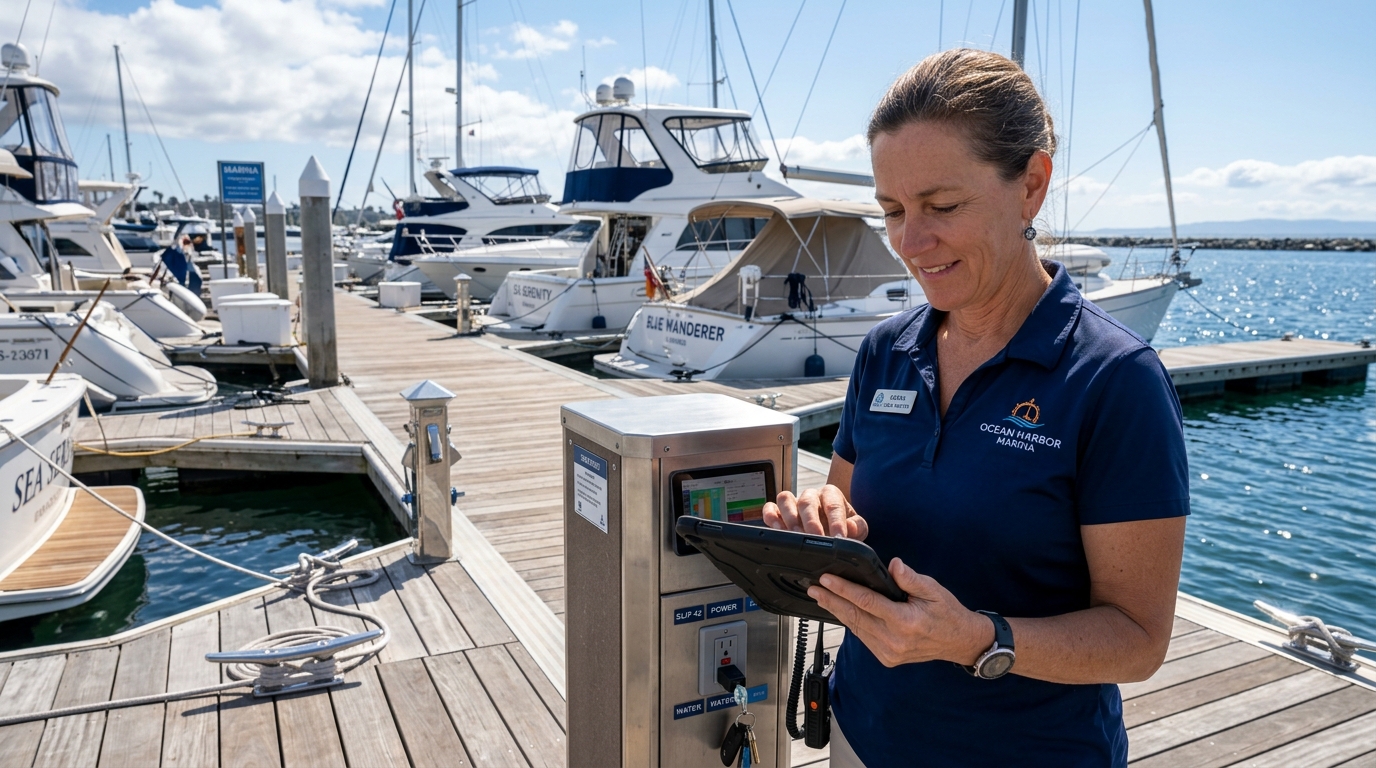
Modern yacht club management and marina operations rely on dedicated cloud platforms that unify front-desk reservations with back-of-house logistics. Core features like visual interactive marina maps give staff instant visibility into current slip occupancy, incoming arrivals, power usage, and maintenance status. With real-time visibility, dock masters can make fast, informed decisions regarding slip assignments and line handling assistance.
Furthermore, integrating direct online marina booking capabilities empowers boaters to secure dockage 24/7 from mobile devices. When connected with secure payment processors like Stripe, facilities eliminate unpaid slips and reduce manual invoicing overhead. Comprehensive marina analytics provide leadership teams with deep insights into occupancy trends, average daily rates, and revenue per linear foot, enabling precise financial planning and operational optimization.

Preparing Waterfront Assets for AI-Driven Automation
The marine sector stands on the threshold of an automated future where connected vessels, smart dock infrastructure, and predictive algorithms communicate seamlessly. As smart hardware—such as remote power monitoring, automated access gates, and vessel telemetry—becomes standard, marina software acts as the central engine coordinating harbor logistics.
Future-ready platforms are designed to handle complex, multi-variable scheduling tasks automatically. For example, artificial intelligence algorithms can analyze incoming vessel specs, local tide charts, power draw requirements, and historical stay lengths to generate optimal slip assignments. This level of automation reduces manual workload for dock staff while eliminating spatial inefficiencies across complex basin layouts.
By establishing a digital foundation today through connected platforms like Marina Match, marina operators and private dock owners position themselves to participate in a connected global marina network. This network bridges the gap between private property listings, commercial marinas, and automated vessel booking systems, paving the way for an integrated boating ecosystem.
Frequently Asked Questions
What is the benefit of listing a private jetty for rental?
Listing a private jetty allows residential waterfront owners to monetize underutilized dock space safely. By using a secure platform, owners receive verified boater profiles, automated payment handling, clear digital agreements, and full control over when their dock is available for guest vessels.
How does modern marina management software improve slip occupancy?
Modern software provides real-time visibility into berth availability and enables instant online booking. Features such as automated waitlists and visual marina maps prevent accidental double-bookings, fill sudden cancellations quickly, and capture transient vessel bookings that traditional manual systems miss.
Is it better to sell or rent out marina berths?
It depends on the facility's financial goals. Selling berths (or long-term equity leases) generates significant immediate capital that can be reinvested into facility infrastructure. Renting berths on a seasonal or transient basis typically yields higher total long-term revenue and preserves operational flexibility for the marina operator.
How do automated waitlists assist dock masters?
Automated waitlists track boater requests chronologically while matching vessel dimensions (length, beam, draft) to available slip dimensions. When a slip opens up, the system automatically notifies the next eligible boater on the list, saving staff hours of manual outreach and minimizing slip downtime.
Can small yacht clubs benefit from digital booking platforms?
Yes. Small yacht clubs and non-profit facilities benefit greatly from reduced administrative burdens, clear digital member registries, simplified visitor slip management, and secure online payment processing, allowing volunteer boards and small staff teams to operate efficiently.
Conclusion: Building a Resilient Waterfront Strategy
Navigating the modern marine landscape requires moving beyond traditional, manual management practices. As boater demand for seamless online booking grows, optimizing your dock rental strategy and integrating modern software solutions becomes essential for sustained financial and operational success.
By uniting commercial marina slips, yacht club facilities, and private jetties into a modern, data-driven framework, waterfront operators can capture new revenue opportunities and elevate the boater experience. Platforms like Marina Match offer the toolsets required—from interactive dock maps and live berth availability to automated waitlists and revenue analytics—to streamline operations today while building the infrastructure for tomorrow's connected marine network.
Explore how Marina Match can transform your waterfront asset management, optimize your slip yields, and connect your facility to a global network of modern boaters.
Do you run a marina or own a berth?
Reach boat owners searching for berths. Listing is free.