Overcoming Harbor Bottlenecks: How AI Dock Management Upgrades Modern Marine Networks
For decades, managing a bustling harbor has been equal parts operational skill and structural juggling. Harbor masters, dock masters, and marina operators have traditionally relied on manual logbooks, static spreadsheets, and physical dock maps to coordinate daily vessel movements. During peak season, when transient boaters flood popular coastal fairways, the cognitive load on staff spikes dramatically. Matching a 60-foot motor yacht with a 14-foot beam and 50-amp power requirement to an open slip sounds straightforward in theory, but in practice—when weather delays, early departures, and unexpected maintenance arise—it creates friction that leads to lost revenue and frustrated boaters.
As waterfront real estate becomes increasingly precious, marina businesses can no longer afford unutilized water frontage or inefficient slip assignments. The emergence of AI dock management represents a fundamental shift in how marine facilities handle daily logistics. By applying intelligent spatial algorithms to real-time berth data, modern platforms replace guess-and-check slip allocation with precise, automated orchestration. This guide explores how artificial intelligence transforms harbor logistics, integrates local facilities into a broader global marine network, and provides transparent frameworks for operators, yacht clubs, and investors seeking to rent or trade assets—whether listing a private jetty or evaluating a marina berth for sale.
The Hidden Costs of Manual Berth Allocation
Operational inefficiencies in a marina rarely appear as catastrophic failures. Instead, they manifest as subtle, compounding profit drains. Traditional slip management relies heavily on human memory and static visual aids. When a boater calls for an urgent weekend berth, staff must manually review current reservations, cross-reference dock dimensions, verify draft clearance during low tide, and confirm electrical shore power compatibility.
This manual workflow introduces several operational vulnerabilities:
- Spatial Waste: Placing a 35-foot vessel in a 50-foot slip leaves 15 feet of unmonetized dock space that could otherwise accommodate a smaller craft or tender.
- Administrative Delays: Front-desk staff spend hours answering phone calls, handling paper check-in forms, and manually taking credit card details, leaving little time to deliver exceptional hospitality on the pontoons.
- Unmanaged Waitlists: When a transient slip unexpectedly opens due to a late cancellation, staff rarely have time to call down a paper waitlist. As a result, the berth sits empty while potential guests anchor off shore.
- Pricing Inflexible: Static seasonal rates fail to capture peak demand surges during local regattas, holidays, or favorable weather windows.
These challenges impact not only commercial marina operators but also private waterfront property owners. A waterfront residence with a private jetty or private dock often faces similar utilization issues—leaving valuable water frontage sitting idle when simple, automated booking infrastructure could turn it into an income-generating asset.
How AI Dock Management Transforms Operational Workflows
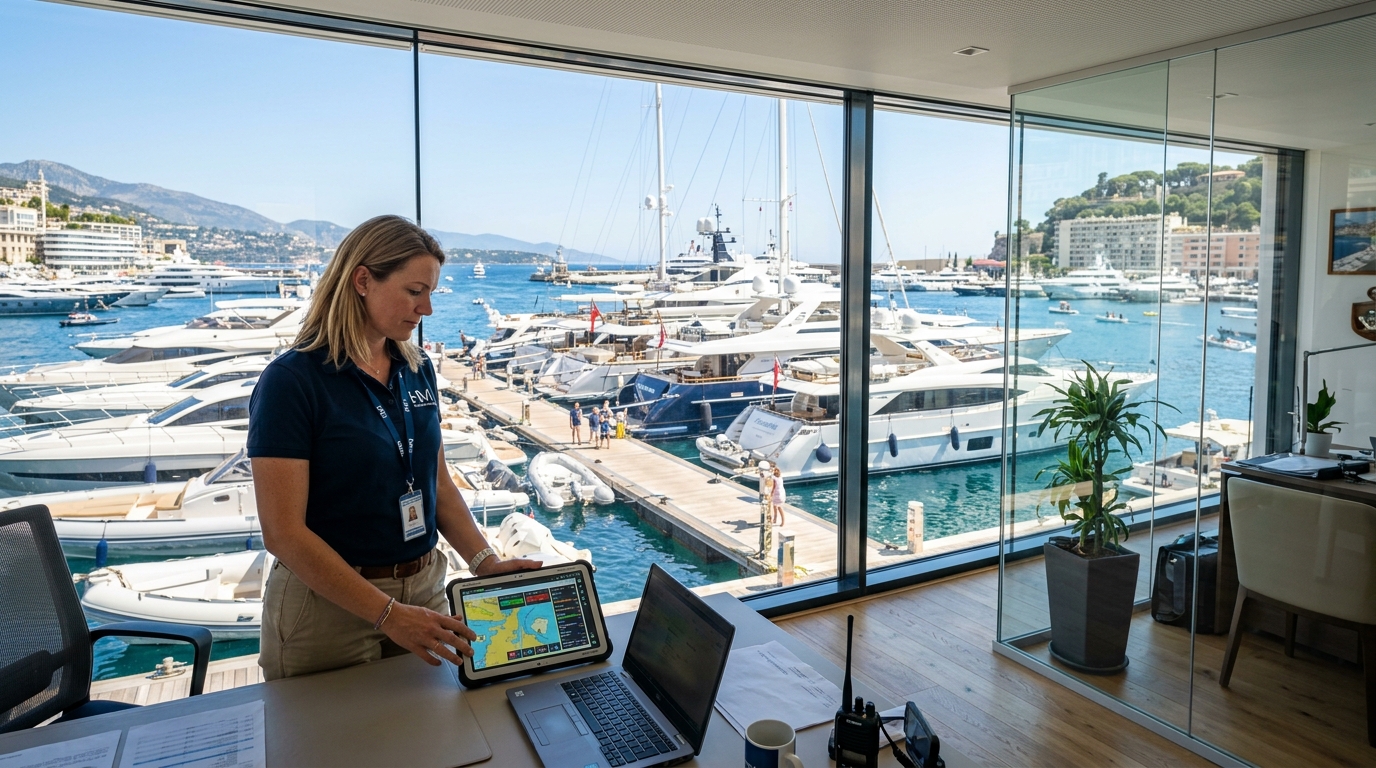
At its core, AI dock management takes the guesswork out of daily slip assignments by evaluating multi-variable constraints instantly. Instead of viewing a marina as a collection of fixed slips, modern algorithmic engines treat water space as a dynamic, continuous canvas. When a reservation request comes in via an online marina booking platform, the underlying software evaluates length overall (LOA), beam, draft, air draft, shore power requirements, and turn-radius constraints against current live berth availability.
This algorithmic approach unlocks several practical operational advantages:
- Dynamic Spatial Optimization: The system automatically nests vessels of varying lengths and beams into linear pontoon spaces, maximizing total billable footage across the facility.
- Automated Waitlists: When a berth cancellation occurs, the system instantly identifies matching vessels on the berth waitlist and sends automated SMS or email booking invitations, filling empty slips in minutes without staff intervention.
- Proactive Infrastructure Safeguards: By matching vessel draft requirements to real-time depth soundings and tidal data, the platform prevents deep-draft sailboats from grounding during spring low tides.
- Automated Revenue Optimization: Algorithms adjust transient mooring rates based on historical occupancy patterns, seasonal demand spikes, and real-time weather forecasts, ensuring the marina achieves optimal yield per linear foot.
By shifting repetitive administrative tasks from human operators to intelligent software, harbor staff can step away from static desktop screens and spend more time engaging with captains, managing fuel dock logistics, and maintaining pontoon infrastructure. Tools like the Dock Master Dashboard provide staff with real-time status updates on handheld mobile devices, bringing visibility directly to the dock edge.
Connecting Local Facilities to a Global Marine Network
Historically, marinas functioned as isolated operational islands. A boater departing a marina in Miami had no direct digital connection to their destination facility in the Bahamas or the Florida Keys. Reservations required separate phone calls, manual bank transfers, and repetitive proof-of-insurance submission at every stop.
The rise of the connected marine network solves this fragmentation. By linking individual marina software installations into a unified ecosystem, boaters gain access to a single digital identity. Cruising itineraries become seamless: vessel dimensions, insurance certificates, captain credentials, and payment profiles follow the boat from harbor to harbor.
For operators, participating in a global network offers distinct commercial advantages:
- Expanded Market Reach: Local facilities gain immediate exposure to thousands of verified captains actively browsing the Marina Marketplace for transient slips, seasonal moorings, or dry berth storage.
- Cross-Facility Partnerships: Reciprocal agreements between yacht clubs can be managed automatically, granting members seamless access to partner facilities while automatically tracking guest stays and billing differences.
- Unified Data Analytics: Regional multi-marina operators gain centralized visibility through comprehensive marina analytics, comparing occupancy, utility consumption, and transient yields across multiple locations in real time.
Valuation, Trading, and Monetization: Renting or Buying a Marina Berth
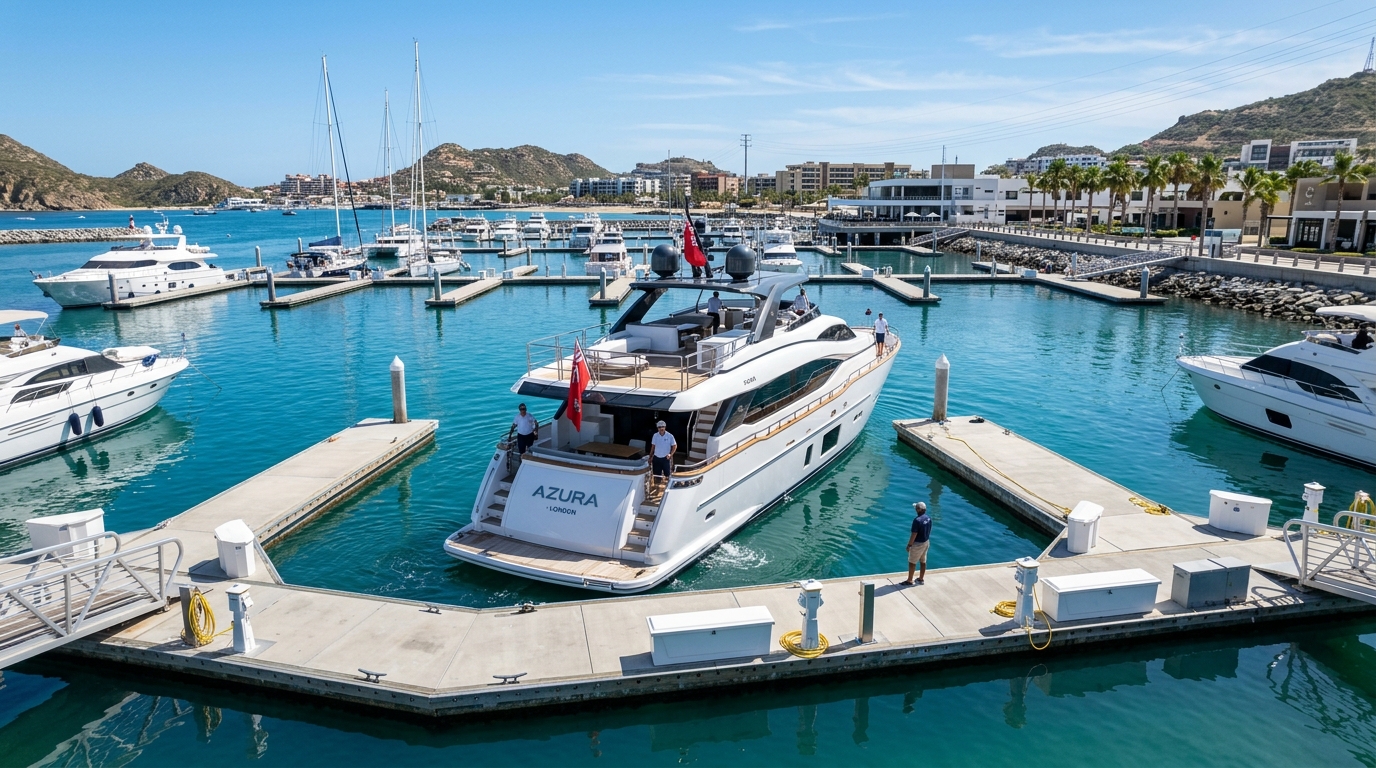
As interest in boating expands worldwide, long-term tenure in premium harbors has shifted from a simple rental arrangement to a recognized asset class. Investors, waterfront property owners, and long-range cruisers frequently seek long-term security by acquiring equity berths, long-term subleases, or private moorings.
Evaluating a marina berth for sale requires examining several key structural and financial factors:
- Remaining Leasehold Duration: Equity berths and long-term dock rights typically carry fixed leasehold terms attached to head-leases granted by crown authorities or local harbor management.
- Transfer and Sublet Rights: Buyers must confirm whether the marina governing documents permit owners to list the slip as a berth for rent when the vessel is away cruising.
- Utility and Shore Power Infrastructure: Modern high-displacement electric or hybrid yachts require substantial power draw (e.g., three-phase power or 100-amp service), impacting berth long-term value.
- Historical Yield Data: Access to transparent occupancy records and historical rental revenue powered by modern marina reporting tools provides prospective buyers with clear capitalization rate expectations.
Online transaction channels simplify these exchanges. Through integrated marketplaces, private dock owners wanting to rent my berth or list a private jetty can connect directly with boaters searching for secure, private moorings. Automated payment processing via Stripe Secure Payments ensures rental funds are collected safely and lease compliance documentation is executed digitally before the vessel ever touches the mooring line.
Operational Blueprint: Implementing Intelligent Systems on the Pontoon
Transitioning a conventional marina or yacht club to an automated, AI-ready platform does not require tearing up concrete docks or interrupting daily operations. Modern cloud-based platforms are designed for rapid, non-disruptive deployment. Marina managers and dock masters can execute a structured upgrade by following a practical implementation blueprint:
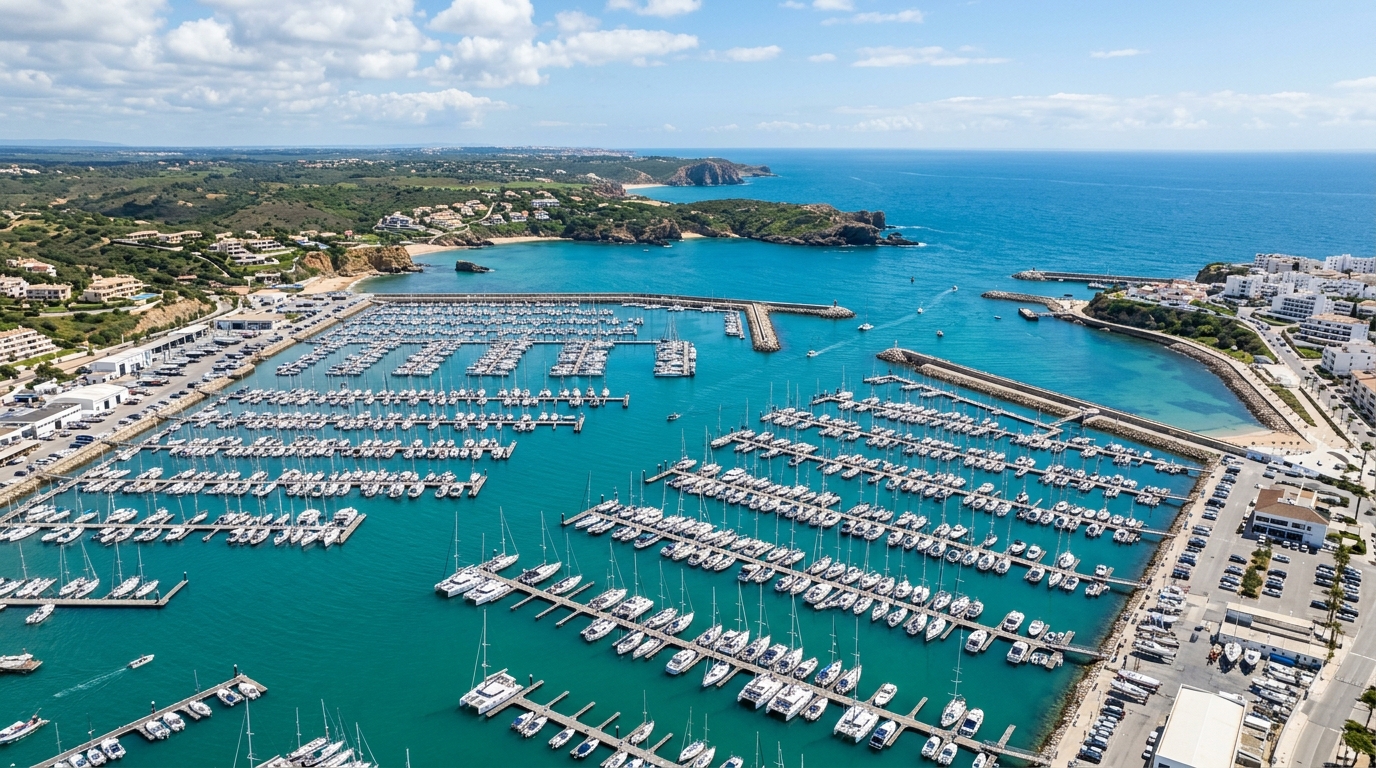
- Step 1: Digital Facility Mapping: Map the physical layout of floating pontoons, fixed piers, dry stack structures, and swing moorings into an interactive Marina Map View. Input precise structural constraints including length, beam limits, maximum depth, and pedestal power ratings.
- Step 2: Database Consolidation: Import existing customer accounts, vessel documentation, long-term tenant contracts, and active waitlists into a secure digital CRM. Modern software streamlines this process by automatically flagging expired insurance policies or incomplete vessel registrations.
- Step 3: Online Booking Enablement: Embed live reservation widgets on your facility website, enabling 24/7 transient bookings, automated deposit collection, and instant reservation confirmations.
- Step 4: Mobile Staff Training: Equipping dock masters and line handlers with tablet-based dashboard views allows them to update slip statuses, log electric meter reads, and record maintenance tasks right from the pontoon.
- Step 5: Automated Waitlist Management: Set automated rules for unallocated slips, allowing the system to instantly fill vacancies from the digital waitlist when seasonal tenants depart on extended cruises.
By modernizing operations step by step, marina teams minimize disruption to current boaters while laying the groundwork for real-time automation and optimized revenue yield.
Frequently Asked Questions About AI Dock Management and Marine Technology
How does AI dock management differ from traditional marina management software?
Traditional marina software acts as a static database where staff manually enter bookings and assign slips on a digital grid. AI dock management actively analyzes vessel dimensions, power needs, draft clearances, and real-time availability to suggest or automate optimal slip placement. It eliminates manual puzzle-solving, reduces unused water space, and automatically triggers waitlist notifications when slips open up.
Can private jetty owners and small yacht clubs benefit from a marine network?
Yes. Private jetty owners can list their unused dock space on a global marketplace to generate secondary income, using automated booking tools to screen incoming vessels and handle payments securely. Yacht clubs can use network connectivity to automate reciprocal member privileges, manage transient visiting yachts, and streamline member billing without increasing administrative overhead.
How does automated berth allocation handle custom vessel dimensions and power requirements?
When a boater submits an online reservation, the system checks the vessel's specific length overall (LOA), beam, draft, and power needs (e.g., 30A, 50A, dual 50A) against the precise technical specs of every available slip on the interactive marina map. The algorithm only assigns slips that safely accommodate the boat's physical and electrical profile.
What key factors should investors evaluate before purchasing a marina berth for sale?
Investors should evaluate the remaining tenure on the marina head-lease, transfer fees, sub-leasing permissions, maintenance history of the dock structure, available shore power, and historic rental yield data. Utilizing verified historical analytics from modern marina management systems provides clear insight into potential return on investment.
How do automated waitlists boost marina revenue during peak season?
When a transient slip opens unexpectedly due to an early departure or cancellation, staff often lack the time to manually contact waitlisted boaters. An automated waitlist system immediately contacts matching vessels via SMS or email based on precise length and arrival date compatibility, filling the slip within minutes and securing instant payment.
Is online marina booking secure for high-value deposit transfers?
Modern marina platforms integrate industry-standard payment processing solutions such as Stripe Secure Payments. These systems enforce strict PCI compliance, support multi-currency transactions, support fraud detection algorithms, and ensure that deposits or long-term lease payments are transferred safely into the operator's merchant bank account.
Key Takeaways and the Strategic Path Ahead
The global marine sector is undergoing a profound digital transformation. Facilities that continue to rely on manual slip assignments, paper logs, and disconnected booking systems will face rising labor costs, lower spatial utilization, and slipping customer satisfaction scores. Conversely, early adopters of smart marina infrastructure are reaping immediate operational gains.
By leveraging AI dock management, marina operators transform physical docks into dynamic, self-optimizing revenue drivers. Connecting local pontoons to a unified, global marine network broadens market reach, streamlines boater arrivals, and brings unprecedented transparency to asset trading—whether leasing a seasonal slip or purchasing a marina berth for sale.
As autonomous navigation, boat telemetry, and smart dock hardware continue to evolve, the underlying platform connecting boaters, harbor masters, and asset owners will serve as the engine of modern marine commerce. Platforms like Marina Match lead this change, providing integrated tools—from interactive dock dashboards and automated waitlists to secure marketplace listings—that help operators modernize their facilities, boost profitability, and deliver superior boater experiences.
To learn how your marina, yacht club, or private waterfront property can transition to smart dock orchestration, explore Marina Match today and discover the future of connected water transport management.
Do you run a marina or own a berth?
Reach boat owners searching for berths. Listing is free.