Pioneering the Global Marina Network: AI, Smart Berths, and Connected Waterways
For decades, the marine industry has operated across isolated harbors, fragmented booking systems, and localized management practices. Captains planning a multi-port voyage frequently face uncertainties regarding slip availability, vessel dimension constraints, and mooring fees. Concurrently, marina operators grapple with underutilized berths, manual administrative workflows, and unmonitored drop-in arrivals. The solution to these persistent operational friction points lies in a unified global marina network—a digital ecosystem where real-time data, automated berth management, and intelligent automation bring unprecedented connectivity to modern waterways.
By bridging the divide between commercial harbors, private jetties, yacht clubs, and transient boaters, modern software infrastructure is reshaping waterfront logistics. Today, a single integrated platform allows a marina operator to optimize capacity while providing captains with instant visibility into verified slip availability. Whether locating an emergency berth for rent during peak season or orchestrating complex transit schedules across multiple ports, connected marina technology serves as the cornerstone of contemporary harbor management.
Why the Global Marina Network Is Essential for Modern Waterways
The traditional approach to managing marine real estate relies on localized, disconnected databases or physical logbooks. When a harbor operates in isolation, it misses out on regional traffic patterns, cross-promotional booking opportunities, and shared operational insights. Establishing a global marina network transforms individual waterfronts into interconnected nodes within a vast nautical infrastructure.
This network model offers distinct advantages across all levels of waterfront operations:
- Enhanced Visibility for Boaters: Cruisers no longer need to rely on VHF radio calls or unanswered emails to confirm a night's stay. Instead, they can view live berth availability across an interactive marina map view and execute a instantaneous berth reservation.
- Optimized Capacity Allocation: When commercial facilities reach maximum occupancy, connected network routing can direct excess demand to vetted private marine assets, including private dock rental opportunities and quiet swing moorings.
- Standardized Marine Operations: Universal data sharing enables dock masters to receive incoming vessel specifications, draft requirements, and arrival estimates well before the vessel enters the channel.
- Interoperable Payments: Integrated payment gateways streamline transaction logging, security deposits, and recurring lease agreements without manual payment processing delay.
By connecting dock infrastructure globally, the marine sector achieves the seamless operational fluidity long enjoyed by commercial aviation and hospitality industries.
Solving Waterfront Friction with Marine AI and Live Availability
Managing slip allocations manually is a complex, time-consuming puzzle. Dock masters must constantly balance vessel length, beam, draft, electrical power requirements, and turn-around times. A single delayed departure can disrupt an entire afternoon of scheduled arrivals. This is where Marine AI fundamentally upgrades harbor logistics.
Artificial intelligence in modern berth management software processes complex spatial variables in real time. Rather than relying on static slip assignments, intelligent algorithms analyze historical occupancy trends, current weather forecasts, and real-time AIS vessel tracking to optimize dock assignments dynamically. When a transient yacht cancels a booking, AI algorithms automatically adjust dock layouts and notify waitlisted vessels via an automated waitlist engine.
Key operational capabilities unlocked by artificial intelligence include:
- Automated Slip Assignment: Intelligent spatial algorithms match incoming vessels with perfectly sized slips, accounting for beam clearance, depth, and shore power configurations.
- Predictive Revenue Analytics: Sophisticated algorithms evaluate seasonal demand patterns to suggest dynamic pricing models, maximizing marina revenue during high-demand events.
- Automated Waitlist Processing: When preferred berths open up, waitlisted boaters receive automated notifications and instant booking links, eliminating vacant slip downtime.
- Proactive Infrastructure Maintenance: Sensor-driven analytics flag unexpected utility consumption or mooring line wear before equipment failure occurs.
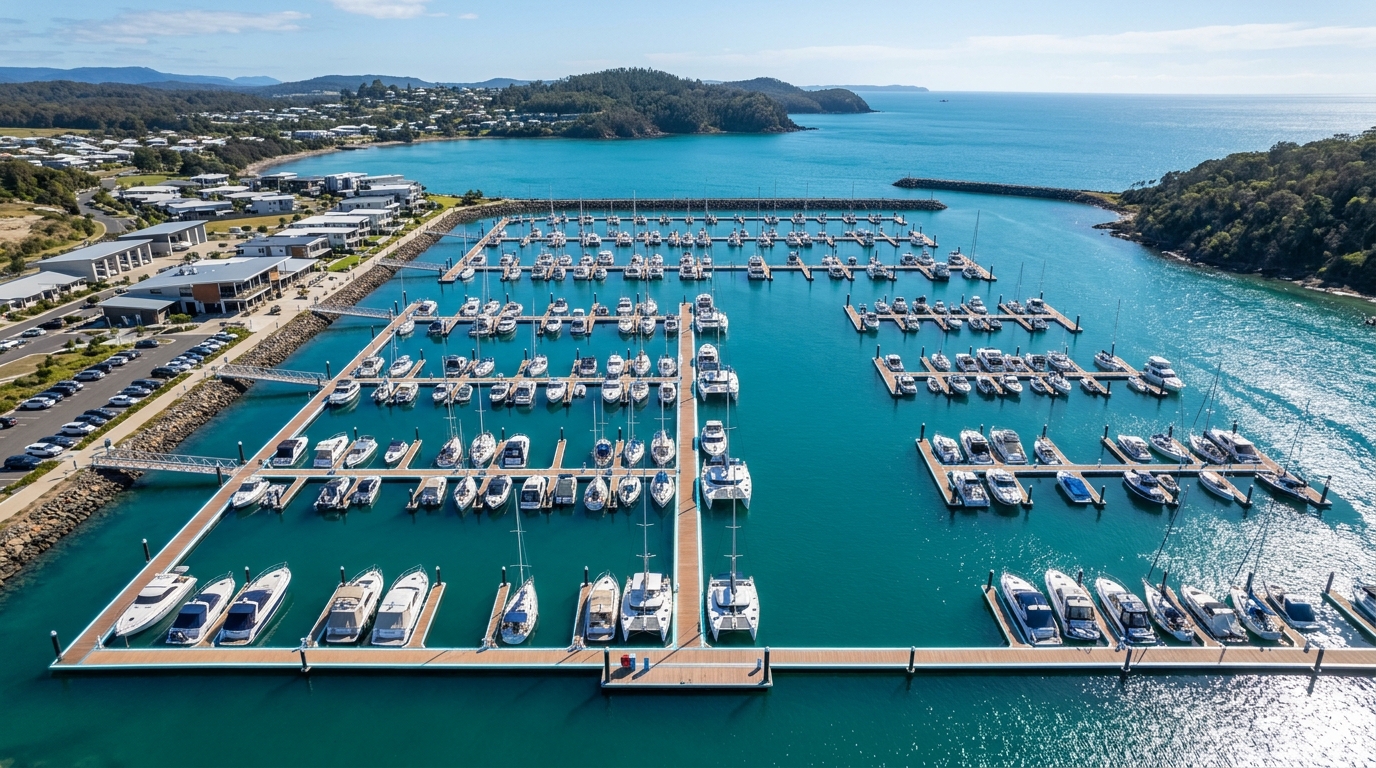
Unlocking Hidden Capacity: From Commercial Slips to Private Dock Rental
One of the largest bottlenecks in popular cruising destinations is the physical shortage of commercial marina slips. Coastal geography limits the construction of new concrete basins, yet global vessel ownership continues to rise. The global marina network solves this asset deficit by unlocking secondary waterfront capacity—specifically unused private jetties, residential berths, and private moorings.
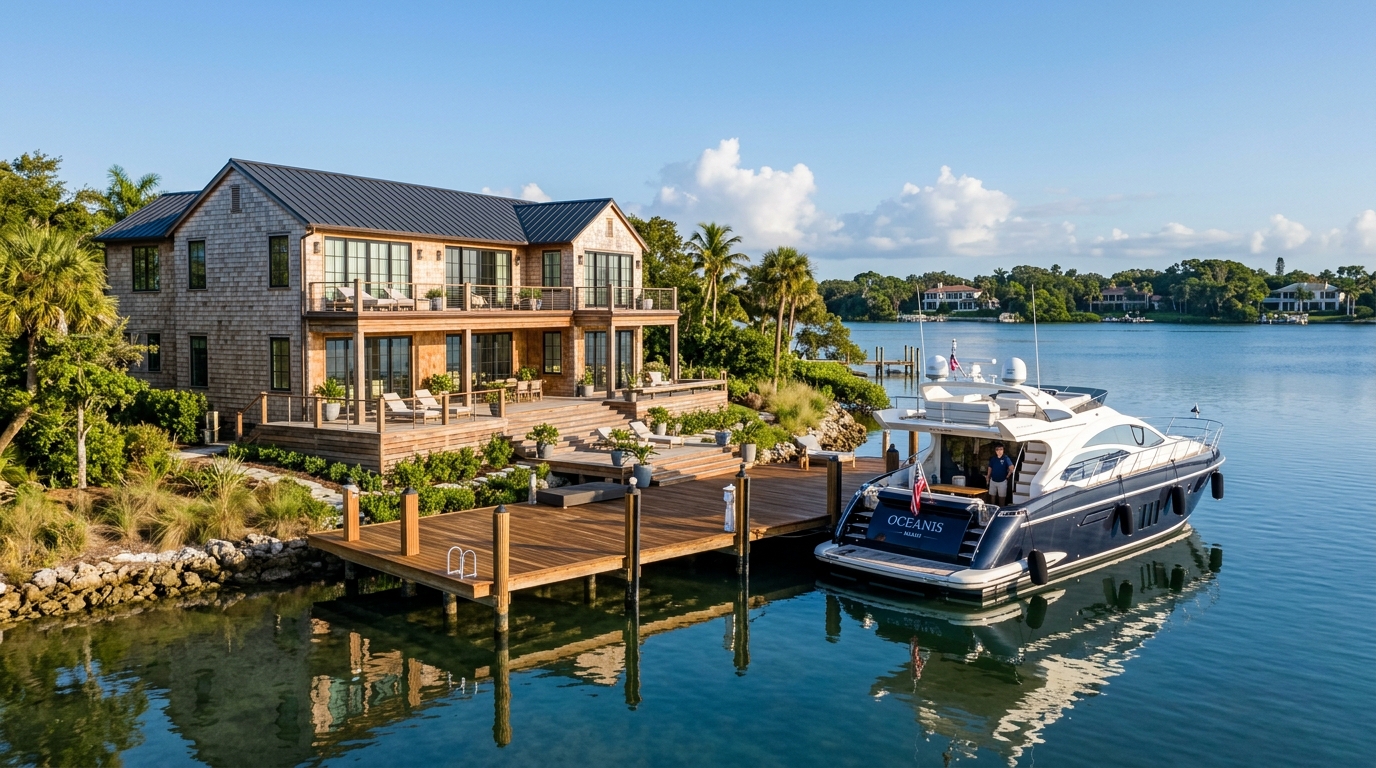
Waterfront property owners often possess deep-water private docks that sit empty for majority of the year. By listing a berth for rent or even offering a long-term berth for sale on a secure, centralized marina marketplace, private owners convert idle water frontage into revenue-generating assets. Cruisers gain access to secluded, safe berths in high-demand harbors where commercial facilities are fully booked.
Integrating private marine properties into a recognized digital marina framework provides clear benefits:
- Verified Asset Standards: Private dock listings are assessed for water depth, cleat strength, shore power availability, and secure access pathways.
- Legal and Financial Security: Digital contracts, automated security deposits, and structured check-in workflows protect both the property owner and the visiting boater.
- Expanded Regional Capacity: Harbor managers can alleviate regional congestions by routing smaller craft to monitored private jetties, freeing up deep-draft commercial slips for larger vessels.
Traditional Marina Management vs. Connected Global Networks
Transitioning from legacy management methods to a fully integrated waterfront ecosystem represents a quantum leap in operational efficiency. The following functional comparison illustrates how modern digital infrastructure compares to conventional operational models:
- Inventory Management: Traditional approaches rely on paper whiteboards or static desktop spreadsheets. Modern global network systems utilize dynamic interactive maps with real-time occupancy updates.
- Boater Reservations: Traditional methods require phone calls during office hours or VHF hailing. Modern systems provide instant online marina booking accessible 24/7 on any mobile device.
- Waitlist Coordination: Traditional approaches involve manual pen-and-paper phone trees when cancellations occur. Modern systems feature automated waitlist notifications with instant digital confirmation.
- Asset Utilization: Traditional management focuses exclusively on dedicated commercial slips. Modern systems unite commercial marinas, private docks, swing moorings, and dry storage within one platform.
- Financial Processing: Traditional methods rely on physical credit card terminals or cash on arrival. Modern systems offer secure digital payments integrated directly into marina revenue analytics.
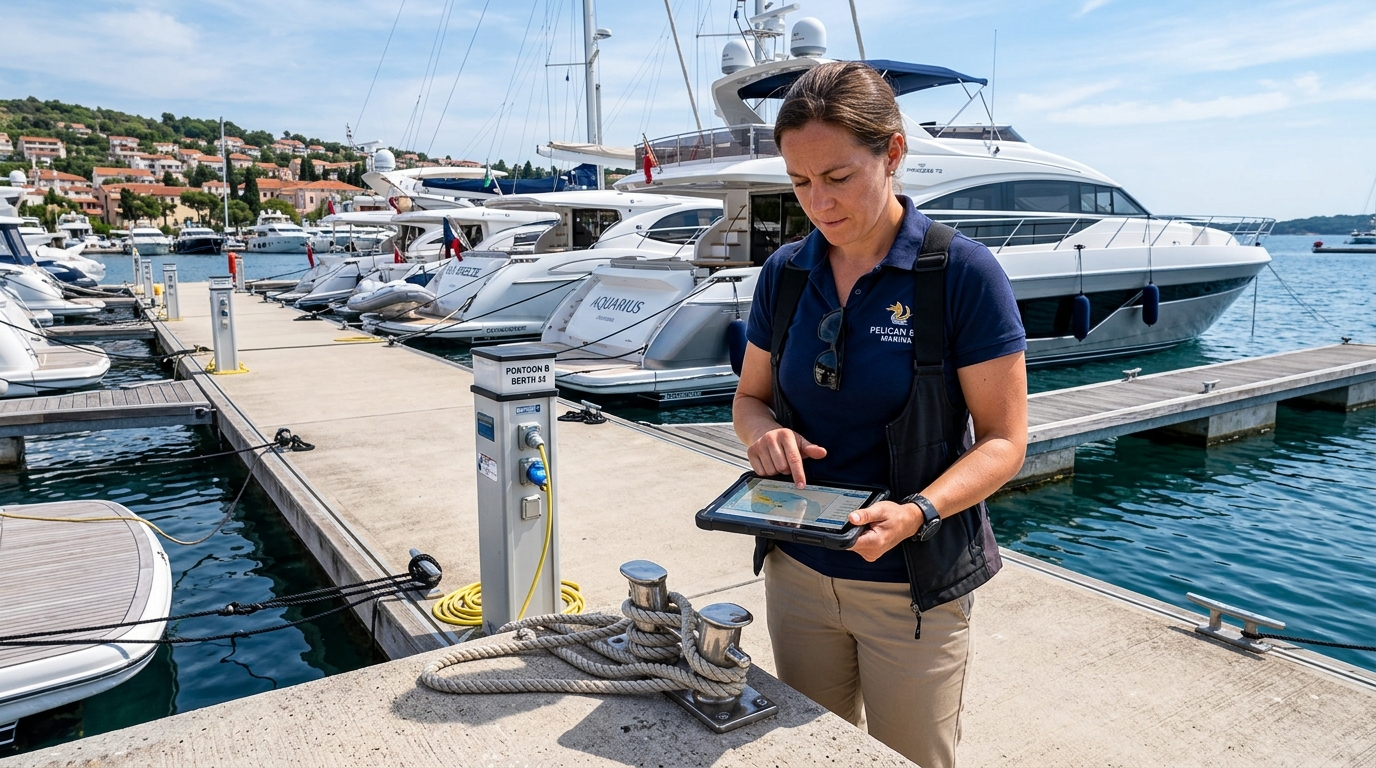
Operational Strategy: Building a Connected Harbor for Operators and Dock Masters
For harbour managers and marina operators, implementing modern smart marina technology is a step-by-step process focused on simplifying daily workflows and improving customer satisfaction. Establishing digital infrastructure does not require replacing existing physical docks; rather, it layer-stacks digital intelligence onto current physical facilities.
To build a connected, highly efficient marina operation, dock masters should follow a structured implementation plan:
- Digitize Physical Inventory: Map every slip, tee-head, swing mooring, and dry stack space using an interactive visual marina map interface. Define parameters such as maximum draft, beam limitations, and electrical pedestal specs.
- Centralize Real-Time Bookings: Replace decentralized phone logs with an enterprise marina booking platform that synchronizes online requests, transient bookings, and annual lease renewals into a single dashboard.
- Deploy a Consolidated Dock Master Dashboard: Equip harbor personnel with cloud-based mobile tools. Dock masters can view real-time arrivals, confirm vessel berthing, and process utility charges directly from the pontoon.
- Automate Payment and Communications: Integrate secure payment gateways like Stripe Secure Payments to facilitate automatic invoicing, slip deposits, and lease renewals while sending automated departure reminders to boaters.
- Leverage Marine Analytics for Continuous Yield Optimization: Evaluate occupancy metrics, peak booking windows, and revenue drivers via comprehensive marina analytics reports to continually refine pricing strategies.
Frequently Asked Questions About Smart Marinas and Global Networks
Q: What is a global marina network?
A: A global marina network is an interconnected ecosystem of commercial marinas, private jetties, yacht clubs, and moorings linked through a shared digital software platform. It enables real-time slip availability tracking, seamless online bookings, and unified harbor analytics across international destinations.
Q: How does Marine AI improve daily marina management?
A: Marine AI automates complex berth allocations by matching incoming vessel dimensions (length, beam, draft) with optimal slip spaces. It also manages dynamic pricing models, predicts occupancy fluctuations, and handles automated waitlists when cancellations occur.
Q: Can private dock owners list their property on a marina marketplace?
A: Yes. Private jetty and dock owners can list a private dock rental or offer a long-term berth for sale on a central marketplace platform. This provides boaters with expanded mooring options while allowing private asset owners to monetise idle waterfront real estate safely.
Q: How does an automated waitlist work for busy harbors?
A: When a marina reaches 100% occupancy, incoming reservation requests are placed on a digital waitlist. If a berth becomes available due to an early departure or cancellation, the platform automatically contacts waitlisted boaters in order of priority, allowing them to confirm the booking instantly.
Q: Is smart marina software compatible with small harbors and private yacht clubs?
A: Absolutely. Smart marina software scales to fit operations of all sizes, from boutique private yacht clubs and residential canal systems to multi-basin commercial harbors managing thousands of wet slips and dry stacks.
Q: How do mobile dock master dashboards assist harbor staff?
A: Mobile dashboards allow harbor masters and dock hands to manage daily operations directly from the pontoons using smartphones or tablets. Staff can verify arrivals, assign unreserved slips, log electric meter readings, and record vessel check-outs in real time without returning to the main office.
Conclusion: Navigating the Next Era of Connected Boating
The marine sector is experiencing a major transformation driven by digital connectivity, real-time data visibility, and artificial intelligence. The traditional boundaries separating commercial harbors, yacht clubs, and private waterfront assets are giving way to an integrated digital architecture. By unifying these resources into a single global marina network, operators achieve maximum occupancy, dock masters streamline complex daily routines, and boaters enjoy effortless cruising across international destinations.
As waterfront real estate becomes increasingly valuable, relying on static logbooks and manual scheduling is no longer viable. Implementing intelligent berth allocation software, real-time reservation platforms, and marketplace listing channels protects your harbor infrastructure against future demand shifts while opening new revenue channels.
Whether you manage a multi-basin commercial port, direct a private yacht club, or own a single deep-water jetty, the future of harbor logistics lies in digital connection. Explore how Marina Match provides the core software, smart marketplace visibility, and AI-ready platform required to position your waterfront asset at the forefront of modern boating.
Do you run a marina or own a berth?
Reach boat owners searching for berths. Listing is free.