
Private Berth Rental: Transforming Private Docks into Smart Assets
The global boating boom has created an unprecedented challenge for the marine industry: finding a place to park. With traditional marinas around the world reaching maximum capacity and waitlists stretching into years, boaters are facing a squeeze. However, a massive, underutilised resource sits right in front of us. Thousands of private jetties, pontoons, and moorings line canal estates, riverfronts, and coastal bays, sitting empty for months on end.
Unlocking these spaces through a secure private berth rental model is transforming the way we think about marine infrastructure. For waterfront property owners, it represents an untapped source of passive income. For boaters, it provides a vital alternative when commercial berths are unavailable. By bridging this gap with modern technology, we are not just renting out space; we are building a more connected, resilient global boating community.
The Growing Demand for Private Berth Rental Spaces
The demand for marine berthing has grown exponentially over the past decade. Boat manufacturing and sales have hit record highs, but the development of physical marina infrastructure has lagged behind due to environmental regulations, high construction costs, and zoning limits. This supply-demand imbalance leaves boaters searching for safe harbour, particularly during peak holiday seasons, yacht regattas, and seasonal migrations.
This is where decentralised berthing options step in. By opening up residential waterways to the wider marine market, we can organically expand berthing capacity without laying a single new concrete pile. For a boat owner, finding a local resident who offers a safe canal pontoon can be the difference between embarking on a coastal voyage or keeping their boat locked away in dry storage miles inland.
How Private Property Owners Can Monetise Empty Jetties
Many waterfront property owners ask themselves, "How can I safely rent my berth to offset my property maintenance costs?" Navigating the practical steps of a private dock rental requires a clear understanding of your asset's physical limits and local regulations.
Before welcoming a vessel to your dock, you should assess and document several key physical variables:
- Water Depth (Draft): Measure the exact depth of the water at lowest astronomical tide to ensure a vessel's keel will not strike the bottom.
- Length Overall (LOA) and Beam: Understand the maximum length and width of a boat that your dock can safely accommodate without protruding into public navigation channels.
- Power and Utilities: Clearly state whether your jetty provides shore power (and at what amperage), fresh water, or waste pump-out facilities.
- Access Restrictions: Note any low bridges (air draft limits) that boats must pass under to reach your canal or inlet.
By defining these parameters clearly, you protect both your own property and the visiting vessel, setting the stage for a smooth, stress-free transaction.
Mitigating Risks with Smart Marina Software
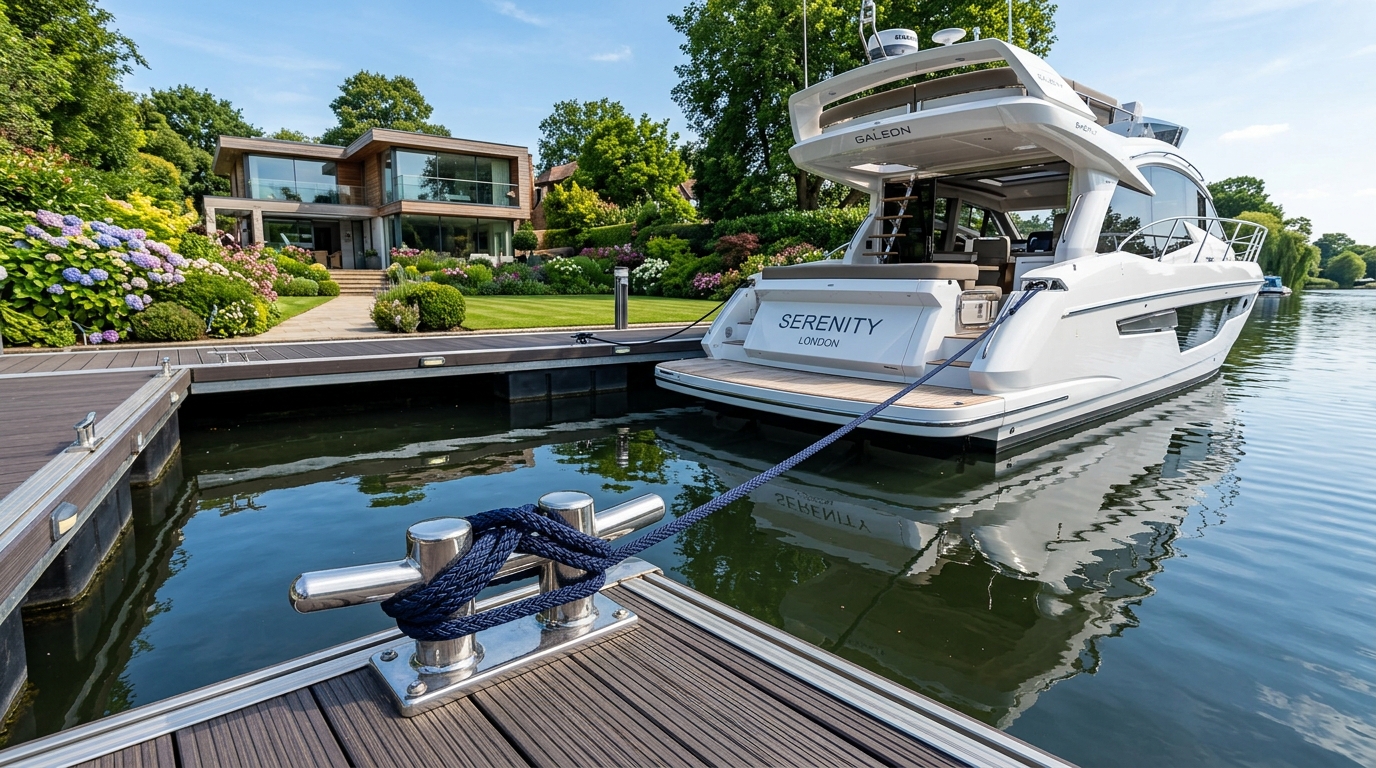
Historically, renting out a private dock was a risky, informal affair coordinated via community noticeboards or unverified online classifieds. Property owners worried about late payments, uninsured vessels, or unresponsive boat owners. Boaters, on the other hand, worried about arrival security and whether the dock would match the description.
Today, modern smart marina software acts as a secure digital bridge between these two parties. By moving the transaction onto a dedicated, professional platform, both owners and boaters gain access to essential trust-building tools:
- Identity and Vessel Verification: Ensuring that all boaters are verified and hold valid marine liability insurance before they arrive.
- Secure Automated Payments: Using secure global payment systems like Stripe to handle transactions, security deposits, and automated payouts.
- Clear Agreement Frameworks: Standardised rental terms that outline the rights and responsibilities of both parties, covering emergency situations, severe weather plan execution, and cancellation policies.
- Real-Time Communication: Allowing direct messaging between the boat owner and host without sharing sensitive personal contact details.
These features turn a potentially complex administrative process into a seamless, automated experience, giving private homeowners the confidence to act as their own micro-marina operators.
Integrating Private Berths into the Global Marine Ecosystem
The true power of modern marine technology lies in integration. A private jetty should not exist in isolation; it is an active node within a broader, global marine ecosystem. When private dock listings are integrated alongside commercial marina listings on a unified platform, the entire marine industry benefits.
For example, during peak regional events, a commercial marina operator may find their facility completely booked. Rather than turning boaters away, they can direct them to nearby verified private berths displayed on a shared live map. This collaboration keeps boaters in the local area, supporting local marine service businesses, mechanics, restaurants, and retail shops.
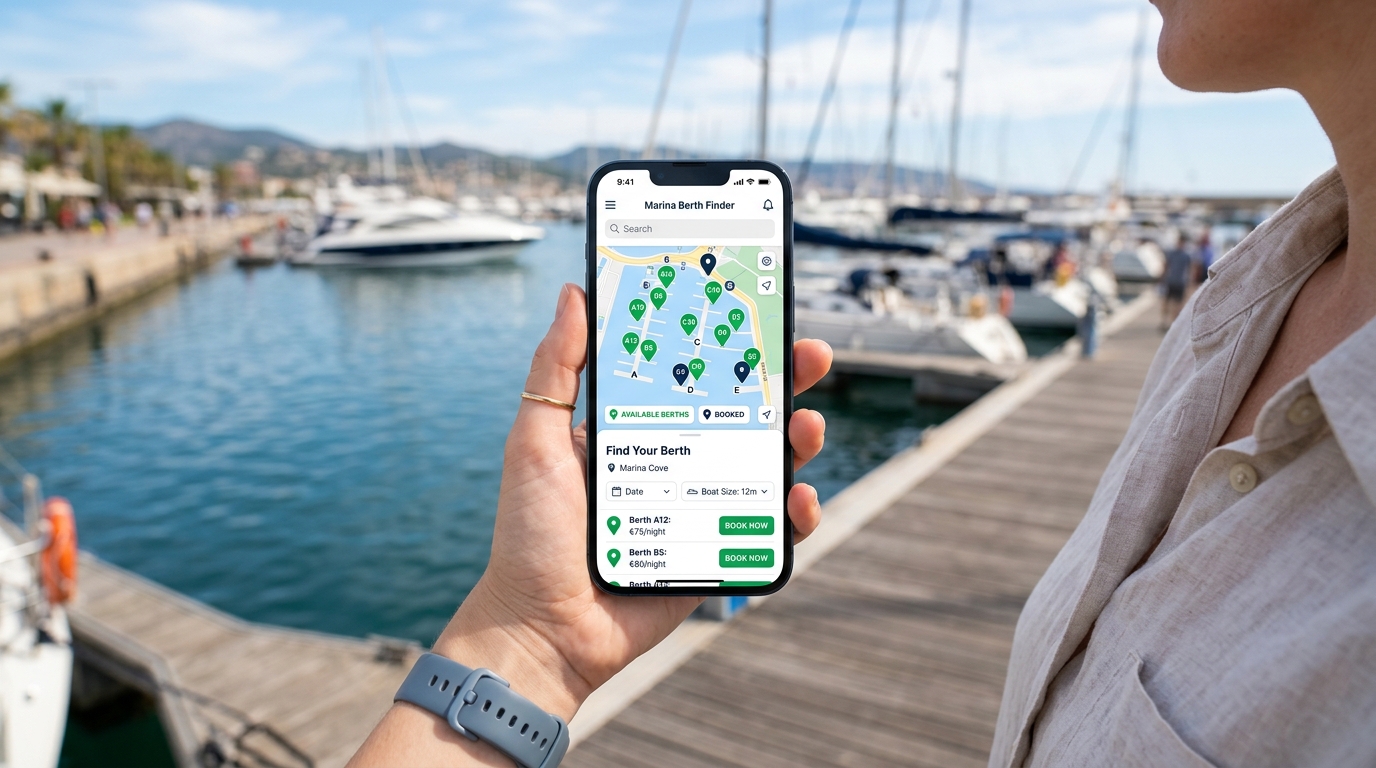
This shared network model relies on live berth availability. By using cloud-based dashboards, both commercial managers and private owners can update their occupancy calendars instantly. Boaters looking for a last-minute slip can open an online marina booking platform on their mobile device, view live options, and book a secure spot in minutes, confident that the berth is physically ready to receive them.
Operational Best Practices for Independent Dock Managers
Managing a single private dock may not require the heavy-duty staff of a commercial marina, but adopting a professional approach ensures long-term success and positive reviews. Here are key operational best practices to consider:
- Prepare Your Dock: Inspect your marine hardware regularly. Ensure cleats are bolted tightly, wood is free of splinters, and fenders are clean and positioned correctly to protect the incoming hull.
- Establish Clear House Rules: Set reasonable guidelines regarding noise levels, guest parking on land, pet policies, and waste disposal. Respecting your neighbours is vital for keeping residential canal rentals sustainable.
- Provide Arrival Instructions: Share photos of your dock from the water so boaters can easily identify your property from the channel. Include clear notes on local current patterns or tidal flow that might affect docking.
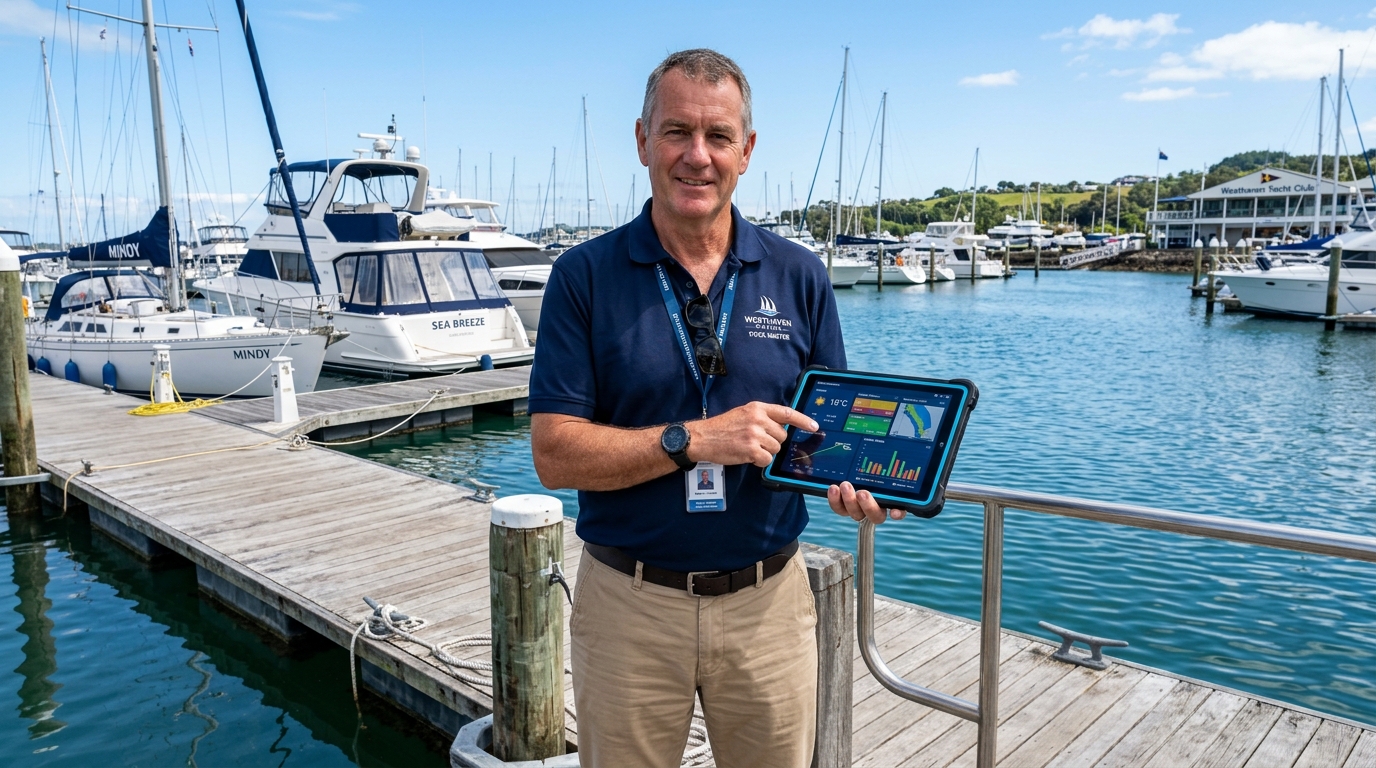
- Use Marina Analytics: If you manage multiple private berths or a community yacht club, monitor your occupancy rates and seasonal demand using marina analytics to adjust your pricing dynamically.
Traditional Dock Leasing vs. Modern Smart Marketplaces
To understand why the industry is shifting toward digital platforms, it is helpful to contrast traditional private leasing with modern smart marketplace solutions:
Traditional Private Leasing:
- Managed via unverified local classified ads or physical signs.
- Payments handled with cash or manual bank transfers, leading to high default risks.
- No built-in validation of vessel insurance or boater background.
- Vulnerable to scheduling disputes and manual calendar tracking errors.
Modern Smart Marketplaces (e.g., Marina Match):
- Listed on a global, searchable map view visible to thousands of verified boaters.
- Fully automated digital payments via secure credit card gateways.
- Mandatory upload of marine insurance and boat registration before booking.
- Automated booking calendars with instant confirmation and automated waitlists.
Frequently Asked Questions
Do I need special council permission to rent out my private jetty?
This varies by region and local municipality. Many local councils and waterway authorities allow property owners to rent their private berths as long as the visiting vessel does not obstruct public navigation channels, violate environmental laws, or exceed the structural limits of the jetty. Always check your local zoning and canal management bylaws before listing your space.
How do I determine the right rental price for my private dock?
Your pricing should reflect your dock's location, water depth, utility access, and local demand. Look at commercial marina rates in your area as a baseline; private berths are often priced competitively or offer premium value due to private, quiet locations. Using platform data and seasonal trends can help you find the sweet spot.
What happens if a visiting boat damages my private pontoon?
By using a dedicated booking platform, you can require all boaters to upload proof of active marine liability insurance before their arrival. In the rare event of damage, this insurance covers repairs. It is also wise to document the condition of your dock with photos before the vessel arrives.
Can a private dock listing accommodate large yachts?
Yes, provided the water depth and dock length are sufficient. Large yachts often struggle to find space in crowded commercial marinas, making deep-water private docks highly sought-after, premium listings that command excellent rental returns.
How do boaters find my private listing among thousands of options?
When you list your property on a connected platform like Marina Match, boaters can filter searches by location, draft, beam, power availability, and shore amenities. Your listing appears on an interactive map view, making it easy for boaters passing through your exact area to discover you.
Conclusion: Unifying the Waterfront for the Future
The decentralised waterfront is no longer a distant concept; it is a practical, rapidly growing reality. By embracing a secure private berth rental framework, we can build a highly efficient, sustainable marine ecosystem that benefits everyone. Waterfront property owners can transform their underutilised docks into valuable revenue-generating assets, while boaters gain unprecedented freedom to explore new waters without the stress of berthing shortages.
As technology continues to drive digital transformation across our waterways, platforms like Marina Match are building the infrastructure for a truly connected global marina network. Whether you are a commercial marina manager looking to optimize your local overflow, or a private jetty owner looking to step into the shared waterfront economy, the future of boating is open, automated, and connected.
Ready to list your waterfront space or discover your next secure mooring? Explore the possibilities with Marina Match today and join the modern, connected boating community.
SEO Metadata Information:
Suggested URL Slug: private-berth-rental-guide-waterfront-owners
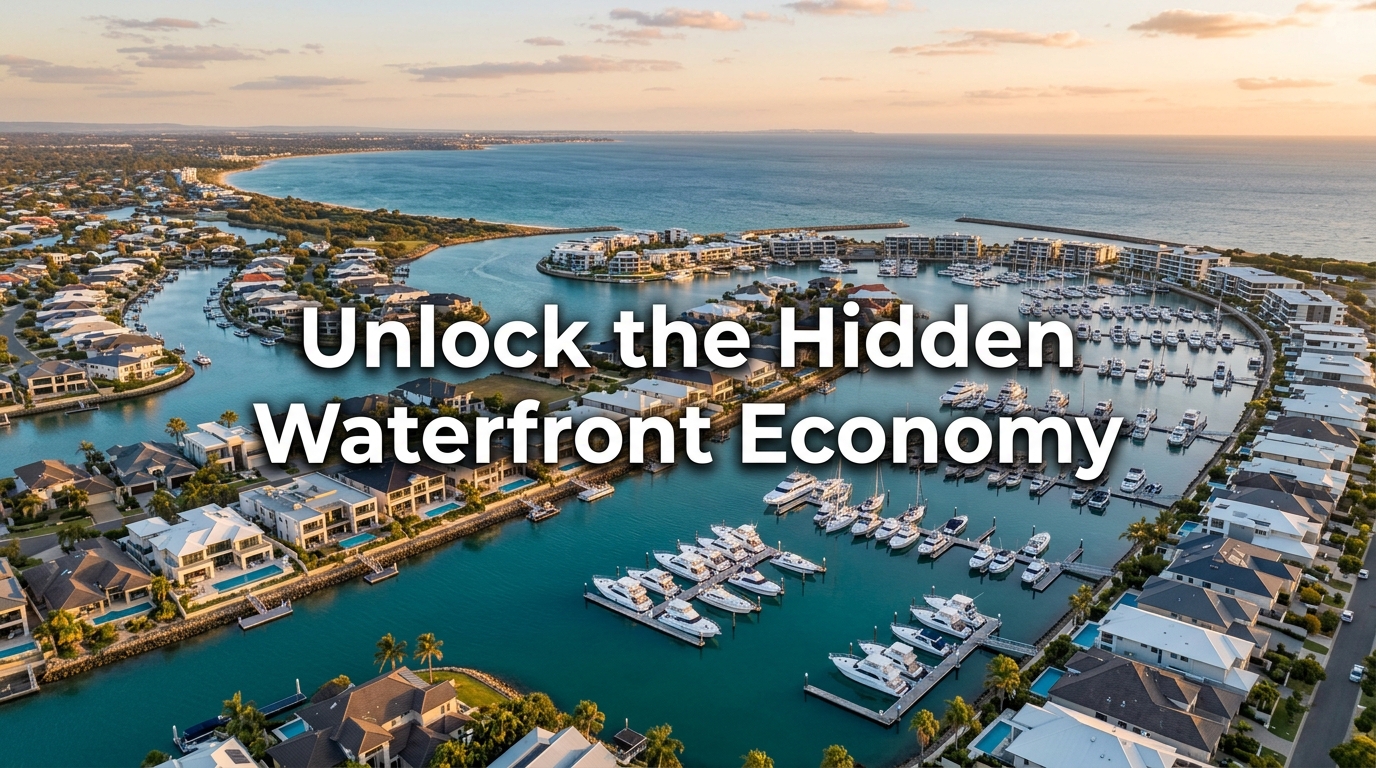
Featured Image Description: A dramatic aerial drone view of a luxury coastal marina and residential canal estate at golden hour. Warm sunlight glints off calm turquoise waters, highlighting neatly aligned private jetties and luxury yachts.
Alt Text: An aerial view of private jetties and luxury yachts moored along a residential canal estate during golden hour, highlighting private berth rental opportunities.
Social Media Summary: Are you leaving money on the table with an empty waterfront dock or jetty? Discover how the rise of secure private berth rental networks is helping property owners generate reliable passive income while solving the global berthing shortage for boaters. Learn how smart software and secure platforms are making private dock rentals safer and easier than ever before.
Do you run a marina or own a berth?
Reach boat owners searching for berths. Listing is free.
Recent Blogs

October 24, 2026
Find a Berth for Rent Near You | Marina Match
October 24, 2026
Marina Berth Costs & Boat Slip Rental Prices | Marina Match
October 24, 2026
Overnight, Monthly & Long-Term Berth Rental | Marina Match
October 24, 2026
What Size Berth Do I Need? Boat & Catamaran Guide