Selecting Vessel-Fit Slips: How Marina Technology Trends Simplify Finding a Berth for Rent
Understanding Vessel Clearance and Physical Berth Dimensions
Securing the right berthing space requires precise measurements that extend beyond a boat's registered length. Skippers often ask, what size berth do I need when planning seasonal stays or long-term leases? To ensure vessel safety and avoid dockside collisions, vessel owners must evaluate three core physical dimensions: length overall (LOA), total beam width (including fenders and davits), and draft under maximum load.
A standard guideline across Australian waterways is to select a berth that provides at least a 10% length buffer over your vessel's LOA and a minimum of 0.5 metres to 1.0 metre of total lateral clearance across the beam. For instance, a 12-metre vessel with a 4-metre beam typically requires a berth measuring at least 13.5 metres in length and 5 metres in width. Factoring in bowsprits, outboard swim platforms, and anchor rollers ensures your boat remains safely within the dock's perimeter without encroaching on fairways.
How Marina Technology Trends Improve Allocation and Booking
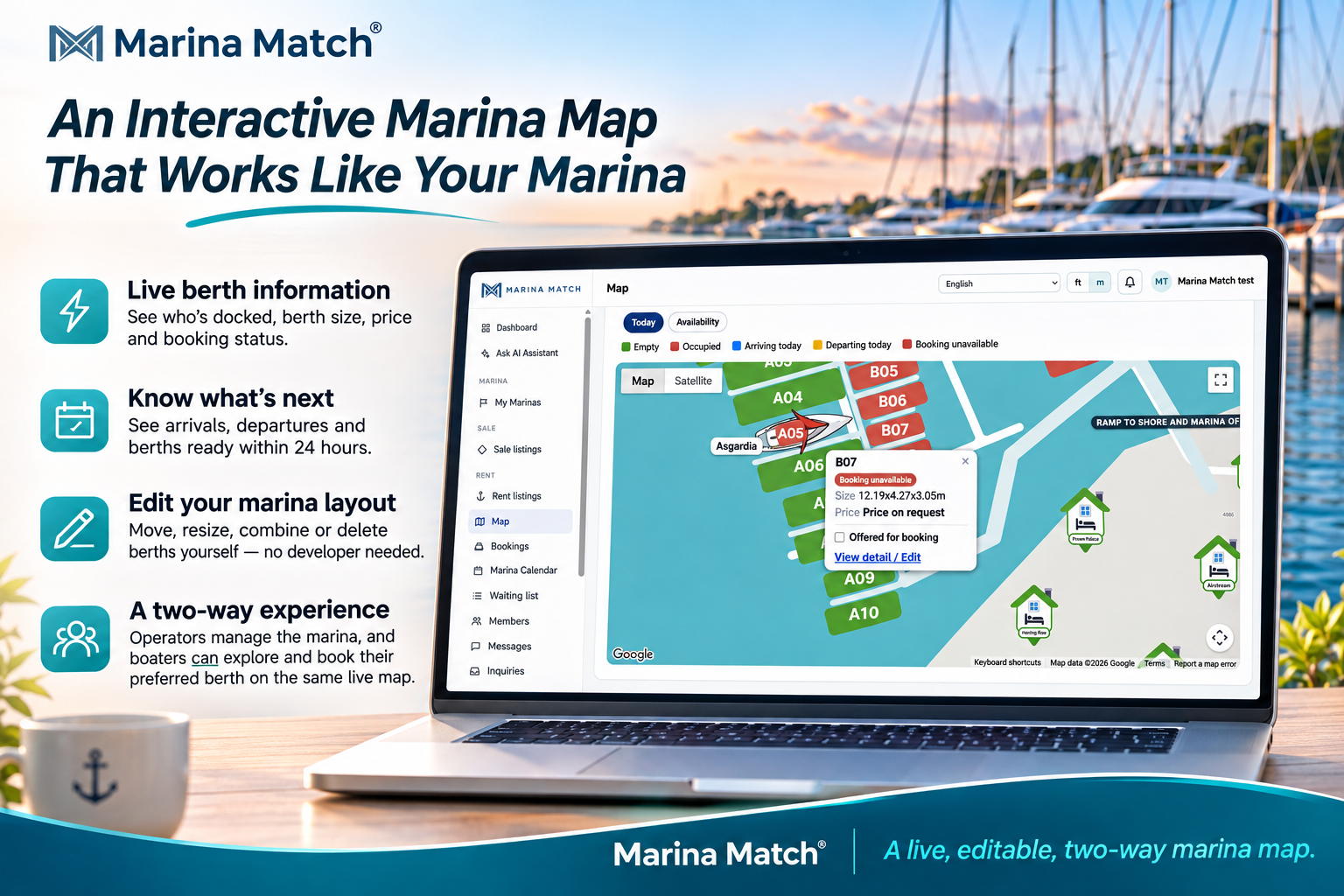
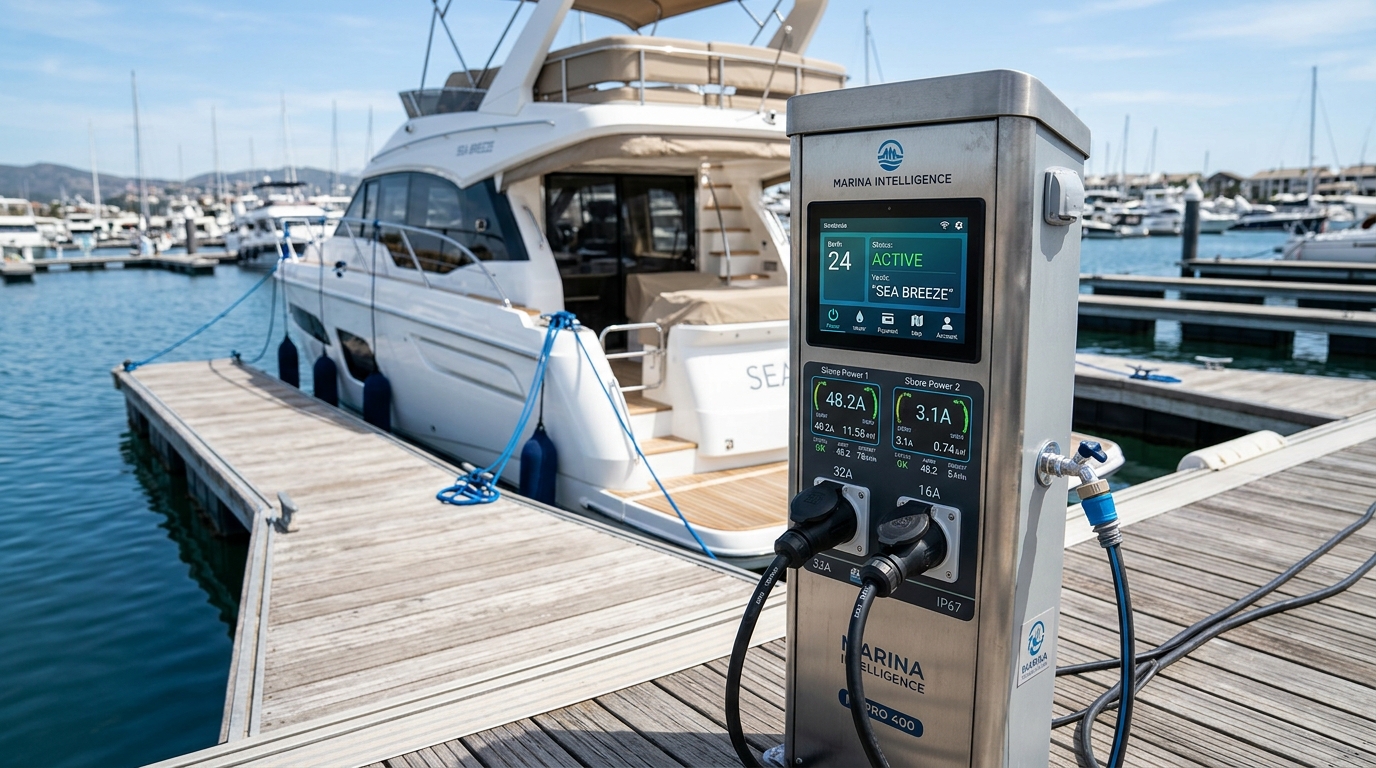
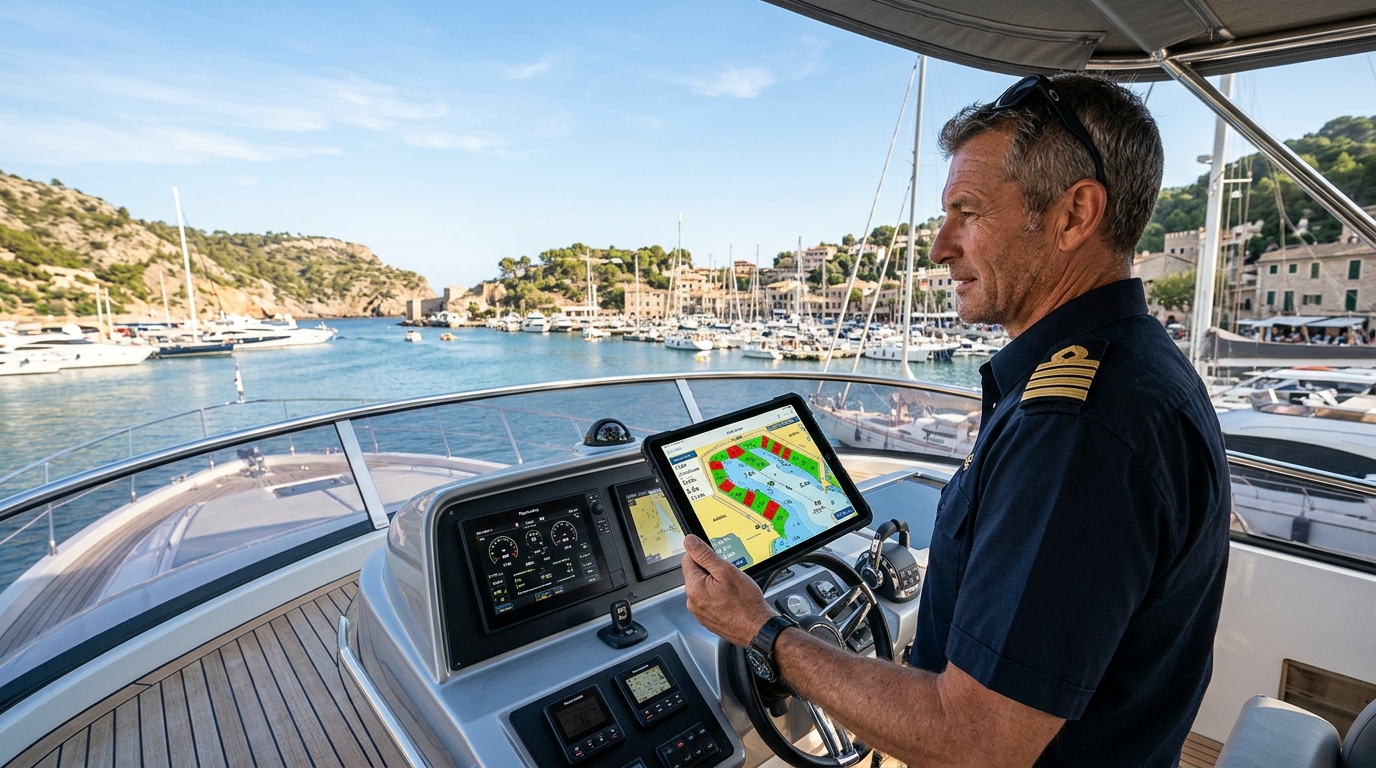
Recent marina technology trends have transformed how harbour masters allocate slips and how skippers discover available dockage. Traditional manual logbooks and static phone enquiries are rapidly being replaced by interactive berth-mapping platforms and real-time sensor networks. These digital systems process exact vessel specifications—such as draft, beam, and electrical requirements—against live inventory to prevent overbooking and improper sizing fit.
Automated allocation engines dynamically pair incoming vessels with suitable slips based on tide levels, channel depth, and pontoon load capacity. This technology eliminates human error during peak holiday periods, ensuring skippers looking for a berth for rent are instantly matched with a slip that accommodates their vessel's exact footprint and power needs.
Evaluating Key Amenities When Securing a Berth for Rent
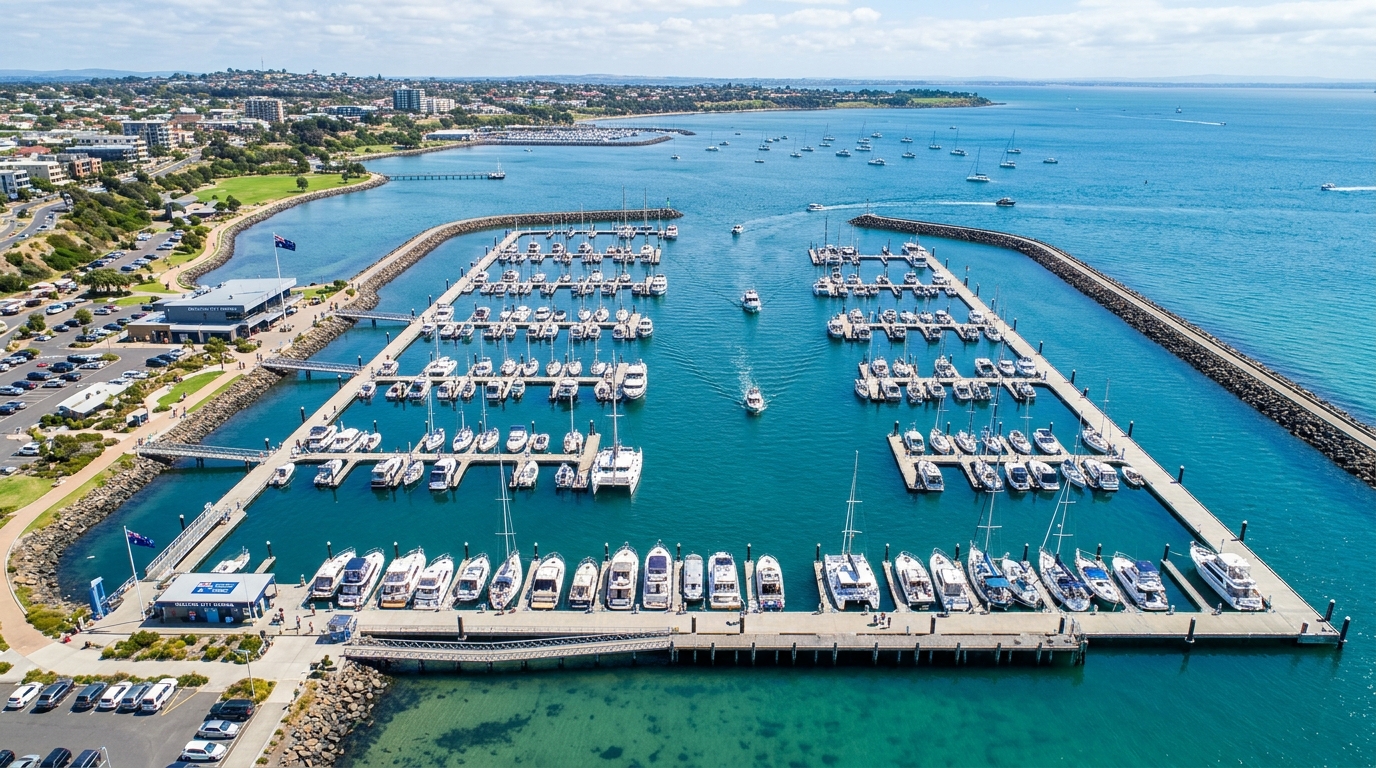
Physical sizing is only one part of the selection process; dockside utility infrastructure is equally vital. When assessing potential marina listings, vessel owners should verify the following operational specs:
- Shore Power Specifications: Confirm whether the berth offers standard 15A single-phase power, 32A connections, or 3-phase supply for larger cruisers. Modern smart pedestals now allow remote activation via mobile apps.
- Fairway and Turning Basin Width: Ensure the navigable fairway leading to your assigned berth is at least 1.5 times the length of your vessel to allow safe maneuvering in strong crosswinds or tidal currents.
- Waterway Access and Water Depth: Check chart datum depths at low tide, particularly for deep-draft keelboats or twin-shaft motor yachts.
- Smart Access and Security: Modern facilities increasingly employ keyless digital gate passes and integrated CCTV systems for boat protection.
Checklist for Selecting the Ideal Berthing Facility
Before confirming a digital reservation or executing a long-term licence agreement, work through this practical decision framework:
- Measure maximum LOA including tender davits, swim steps, and anchor extensions.
- Confirm beam width with fenders attached on both port and starboard sides.
- Verify low-water depth at the slip entrance and inside the fairway.
- Review digital booking terms, cancellation policies, and automated utility metering.
- Inspect finger pier length to ensure safe boarding access for your vessel's gate configuration.
Frequently Asked Questions
What size berth do I need for a multihull or catamaran?
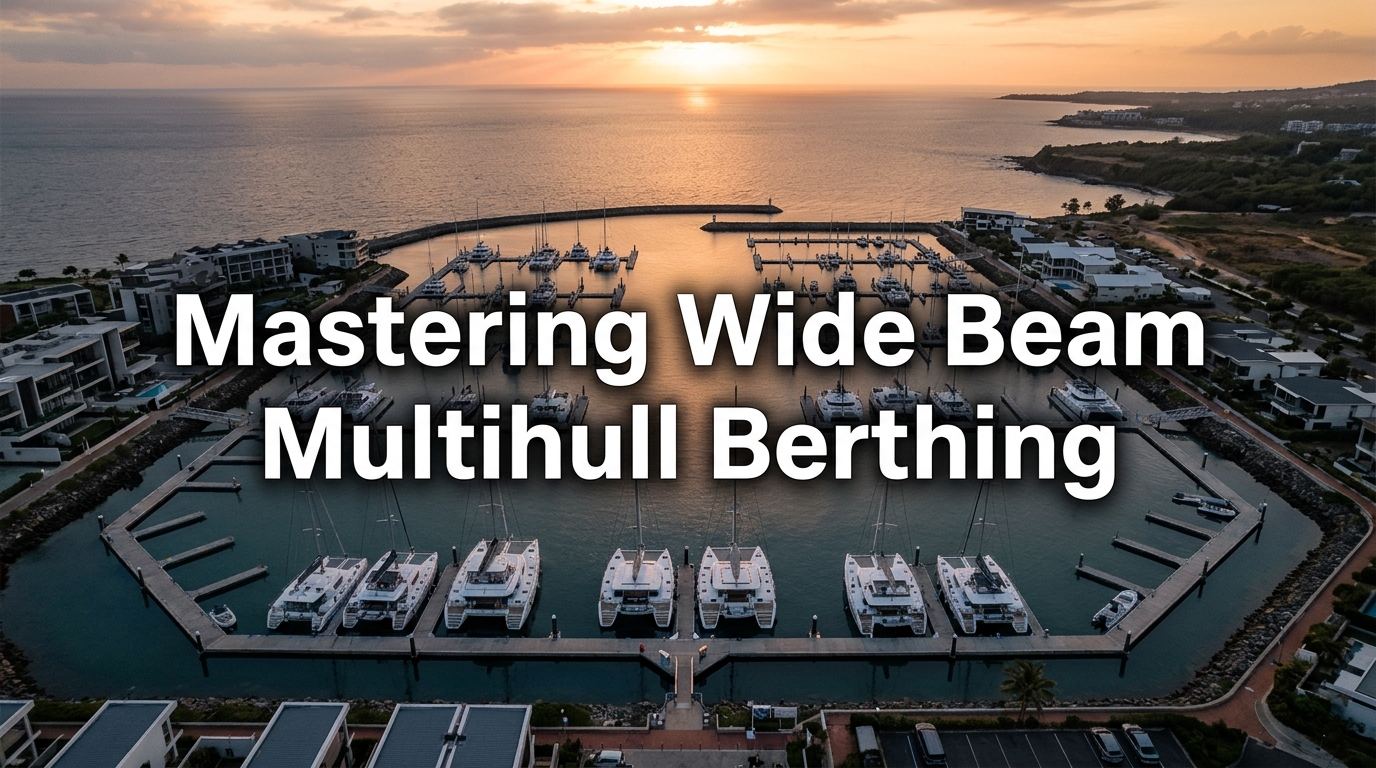
Multihulls require significantly wider berths than monohulls of equivalent length. Catamarans typically require a beam clearance equal to their total beam plus at least 1.2 to 1.5 metres of additional space, or two standard monohull slips joined without a central finger pier.
How do modern marina technology trends benefit private berth renters?
Digital management systems provide real-time visibility into availability, automated utility billing, instant confirmation of vessel fit, and contactless gate access, eliminating guesswork and lengthy paperwork for vessel owners.
Can I fit a 14-metre boat into a 12-metre berth if the bow overhangs?
No. Overhanging berths creates severe navigation hazards in narrow fairways and typically violates marina operational regulations. Your vessel's total length overall (LOA), including all accessories, must remain within the designated slip boundaries.
Do you run a marina or own a berth?
Reach boat owners searching for berths. Listing is free.
Recent Blogs