The AI Marina: Streamlining Modern Waterfront Operations
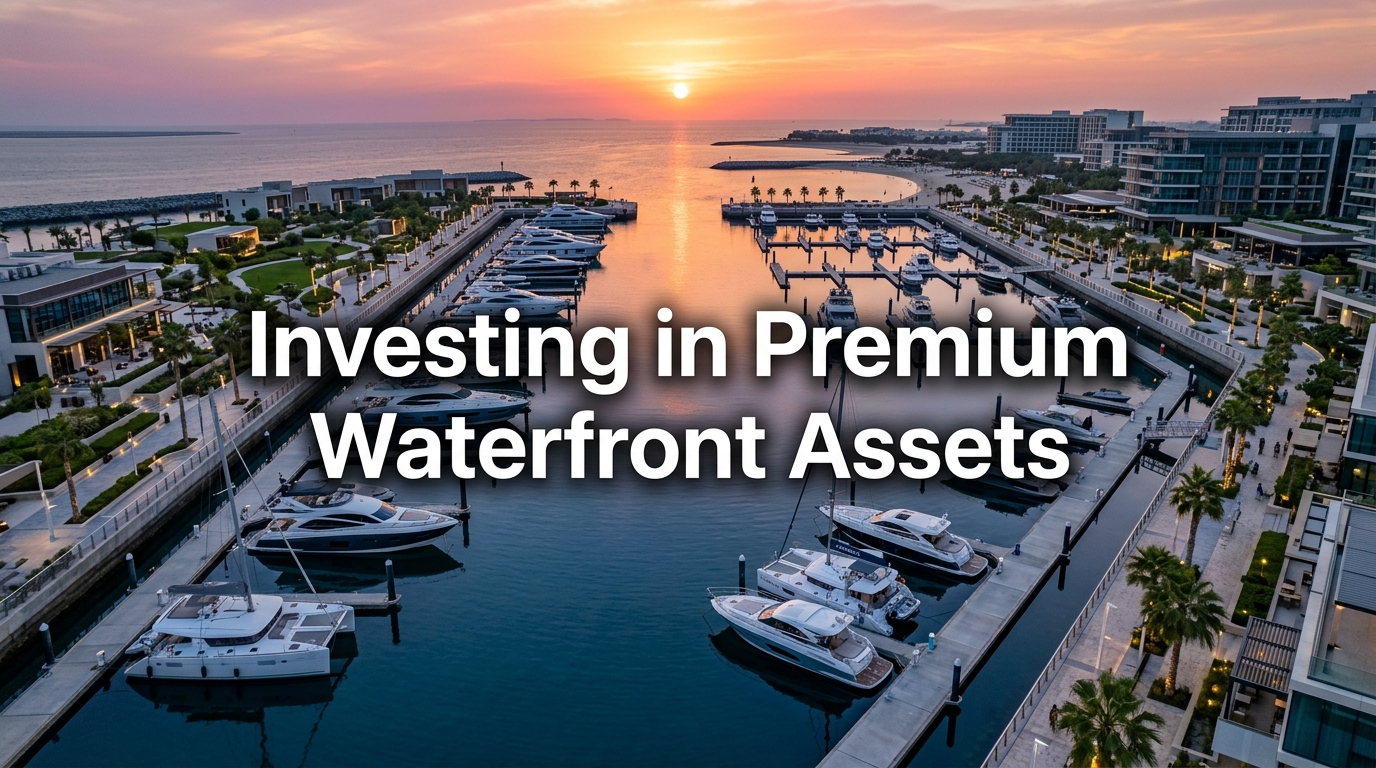
For decades, the marine industry operated on a simple, physical foundation: concrete docks, manual logbooks, and VHF radio chatter. While vessels evolved with state-of-the-art navigation and hybrid propulsion systems, the infrastructure supporting them onshore largely remained analog. Today, a quiet revolution is taking place at the water's edge. The concept of an AI marina is no longer a futuristic vision; it is a rapidly growing reality that is reshaping how we manage, book, and experience waterfront spaces.
As coastal real estate becomes more crowded and global vessel ownership rises, traditional systems are struggling to keep up. Marina operators, dockmasters, and private jetty owners face identical hurdles: maximizing space, managing fluctuating occupancy, and delivering a seamless experience to boaters who now expect instant digital convenience. By integrating smart automation, live marine marketplaces, and intelligent decision-making, the modern waterfront is transforming into a connected digital ecosystem.
The Evolution from Manual Logbooks to Intelligent Waterfronts
Historically, a marina operator managed daily bookings through physical whiteboards, localized spreadsheets, or legacy desktop software. These manual systems worked well enough when boating seasons were predictable and administrative demands were lower. However, manual management carries inherent limitations. Slip allocation is often reactive, leading to human errors such as double-booked slips, miscalculated vessel drafts, or missed revenue opportunities during peak weekend rushes.
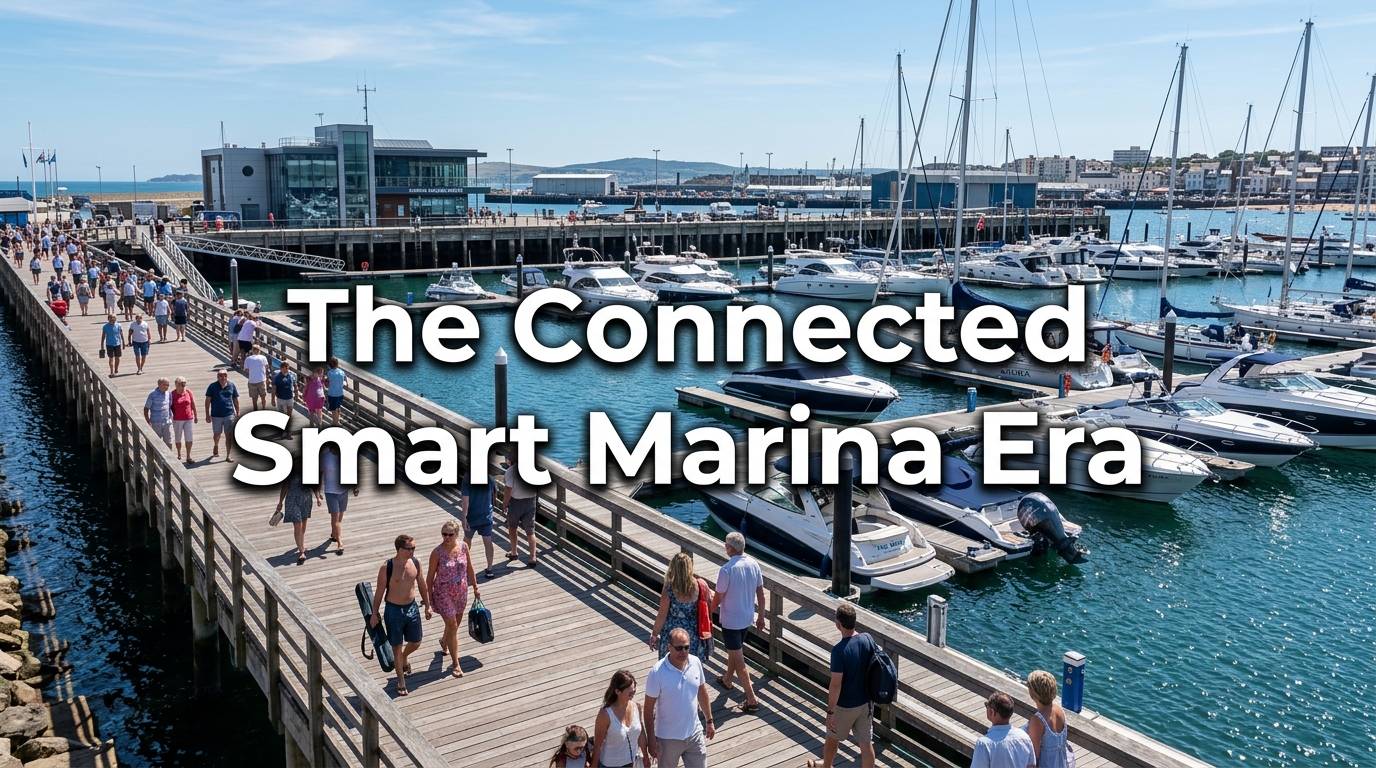
A modern digital transformation changes this dynamic from reactive to predictive. By utilizing cloud-connected platforms, a harbour master can see their entire inventory in real time. Instead of guessing which vessels are departing early or arriving late, automated platforms aggregate data to provide an accurate overview of current marina occupancy. This level of clarity helps operations run smoothly, ensuring that every linear foot of dock space is utilized safely and efficiently.
Furthermore, this digital shift benefits more than just large commercial facilities. Yacht clubs, private canal estates, and individual homeowners with private berths are discovering the value of smart management. Transitioning away from paper processes allows waterfront managers to focus on what truly matters: ensuring guest safety, maintaining physical infrastructure, and delivering excellent hospitality on the docks.
The Day-to-Day Reality of an AI Marina
How does an AI marina function on a typical Saturday afternoon during peak boating season? Behind the scenes, intelligent software acts as an invisible air traffic controller for the waterfront. Instead of a dockmaster spending hours manually plotting vessel dimensions against available slip sizes, the system automatically analyzes incoming booking requests and matches them with the ideal berth based on draft, beam, length overall (LOA), and shore power requirements.
This automated optimization addresses several common operational challenges:
- Dynamic Slip Allocation: When a 60-foot motor yacht departs its berth early, the platform instantly identifies the vacancy and updates the berth availability across public search channels.
- Automated Waitlist Management: Instead of administrative staff manually calling boaters on a paper waitlist, the platform alerts waitlisted vessels with matching specifications the moment a suitable slip becomes free.
- Intelligent Congestion Control: By analyzing historic arrival patterns, the system advises dock crews on optimal fueling and pump-out scheduling, preventing bottlenecks at the service docks.
By delegating repetitive tasks to an intelligent system, marina crews spend less time tied to office computers and more time on the pontoons assisting boaters with lines, power connections, and local concierge services. This improves on-water safety while significantly lowering operational stress.
Unlocking Hidden Supply Through the Sharing Economy
One of the most significant challenges facing the global marine sector is the physical shortage of boat slips. Building new marinas is an expensive, heavily regulated process that often takes years of environmental assessments and civil engineering. However, thousands of underutilized berths exist worldwide in the form of private jetties, residential canal pontoons, and quiet moorings behind private homes.
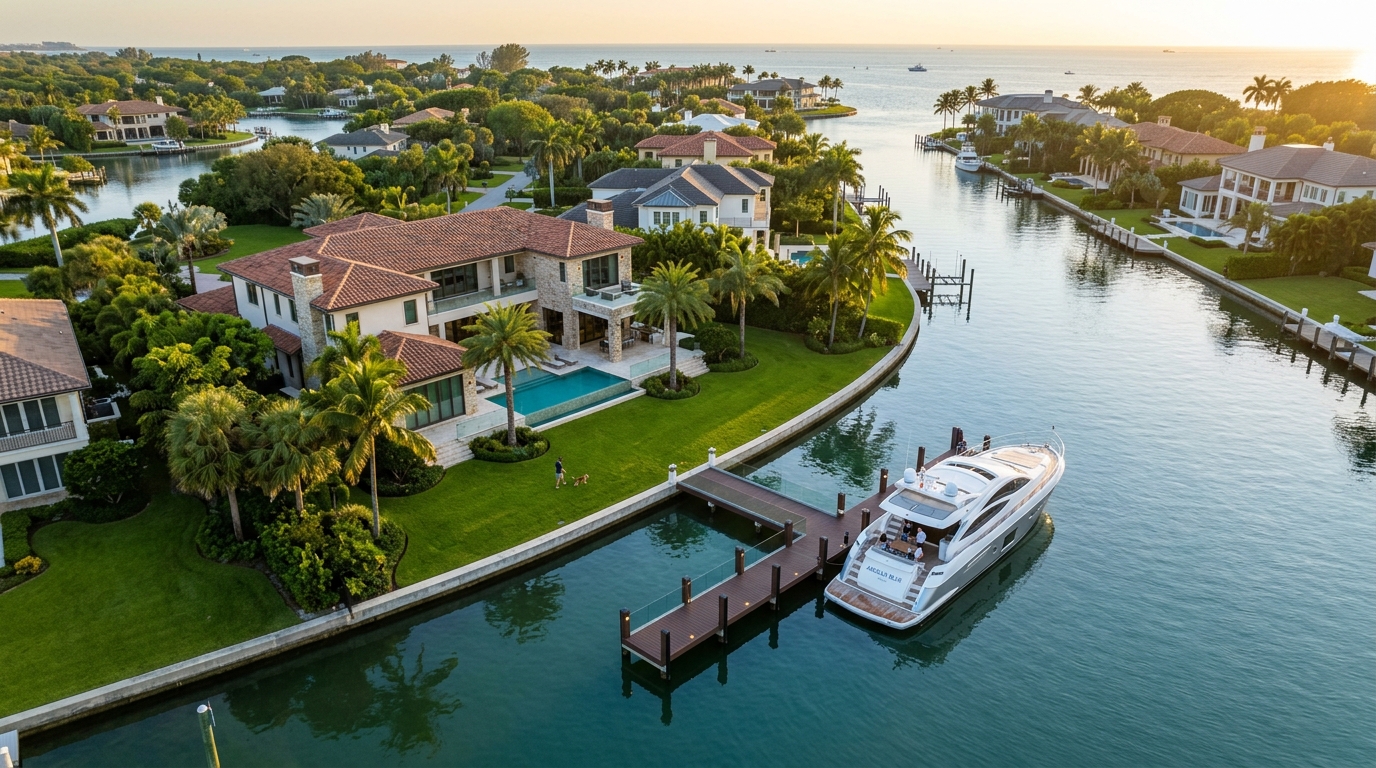
For waterfront property owners, these spaces represent untapped potential. A homeowner might ask themselves, "How can I safely rent my berth when my own boat is away cruising for the summer?" In the past, listing a private dock was difficult due to liability concerns, payment security, and the lack of a specialized audience.
By joining a secure, global marina network, private owners can now list their space for short-term or long-term rental. Boaters gain access to unique, safe mooring options in locations where commercial marinas are fully booked, while private jetty owners generate a steady stream of passive income. Secure payment gateways like Stripe protect both parties, making a private dock rental as simple and safe as booking a holiday home online.
Simplifying the Journey: Seamless Booking and Reservation Systems
For modern boaters, the journey begins long before they cast off their dock lines. They expect to plan their cruises, secure overnight stops, and pay for amenities directly from a smartphone. An intuitive online marina booking process removes the friction of calling multiple harbours hoping someone answers the phone or responds to an email before nightfall.
A modern berth reservation system benefits both the boater and the dockmaster by capturing all essential vessel data upfront. When a boater creates a profile, they input their vessel's length, beam, draft, electrical needs, and registration details once. Every subsequent booking across the network automatically transmits this information, ensuring the marina always has an accurate manifest of visiting vessels.
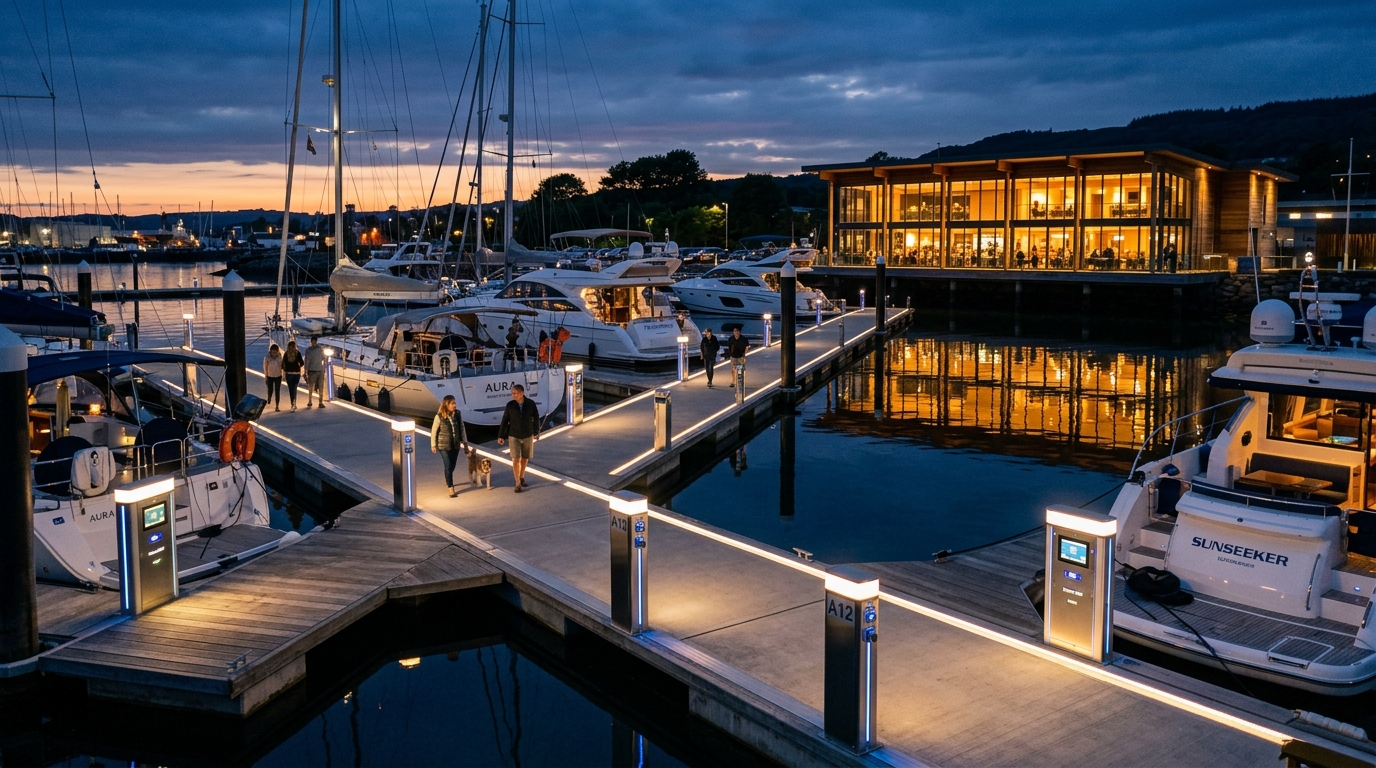
This system also allows boaters to view a real-time Marina Map before they arrive. Knowing exactly which slip they have been assigned, which side they need to prepare their fenders on, and where the nearest amenities are located reduces docking anxiety—especially in unfamiliar harbors or challenging tidal flows.
Comparing the Options: Traditional vs. Connected Marina Management
To understand the practical impact of these technological changes, let's compare traditional management methods with modern, smart marina systems:
- Reservation Process: Traditional marinas rely on manual phone calls, paper logs, and unconfirmed emails. Connected marinas feature instant online booking, real-time availability updates, and automated digital confirmations.
- Berth Allocation: Traditional operations require manual planning based on memory or physical charts, often leading to underutilized space. Connected marinas use automated space optimization that matches vessel specifications to the best available slip.
- Private Property Integration: Traditional private docks remain empty and underutilized. Connected networks allow private owners to easily list, manage, and monetize their unused waterfront spaces.
- Business Insights: Traditional systems offer minimal reporting, requiring hours of manual work to calculate occupancy rates. Connected platforms provide an integrated marina dashboard with real-time financial tracking and occupancy analytics.
- Waitlist Management: Traditional waitlists are managed on manual spreadsheets, requiring staff to make individual phone calls. Connected systems feature automated notifications that instantly contact matching boaters when a space opens.
Whether you are running a historic commercial yacht club, managing a municipal harbor, or looking after a dry storage marina, the operational and financial advantages of moving to a connected system are clear.
Frequently Asked Questions
What is an AI marina and how does it work?
An AI marina uses cloud software, real-time data, and predictive algorithms to automate daily dock operations. It optimizes slip allocations, manages booking waitlists, tracks occupancy, and helps boaters find and secure available berths automatically, reducing manual work for staff.
How does smart software help marina operators save time?
It automates routine administrative tasks such as slip matching, payment collection, and booking confirmations. By handling these processes digitally, dock staff can focus on physical maintenance, docking assistance, and guest services.
Can I rent out my private dock or jetty safely?
Yes. By listing your dock on a dedicated marine marketplace like Marina Match, you can set your own availability, vet incoming vessels based on their dimensions, and handle all transactions securely through integrated payment platforms like Stripe.
How does real-time berth availability benefit boaters?
It allows boaters to see active slip openings instantly on a map, eliminating the need to call ahead or guess if a harbor has space. This makes cruising safer and more spontaneous, especially during busy weekends or holiday seasons.
Is smart marina software suitable for small yacht clubs?
Absolutely. Yacht clubs of all sizes benefit from simplified reservation tracking, membership management, and automated slip allocation, making it easier to host visitors while keeping members-only spaces organized.
Conclusion: Charting the Course for a Connected Future
The marine industry is undergoing a significant shift toward digital efficiency. By embracing the power of an AI marina model, waterfront operators, yacht clubs, and private dock owners are moving away from manual bottlenecks and unlocking new levels of operational efficiency and revenue.
The key to this transformation is connected infrastructure. When individual docks, commercial marinas, and private canal moorings are linked within a single, cohesive network, the entire boating community benefits. Boaters enjoy stress-free journeys with guaranteed berths, while dockmasters gain the peace of mind that comes with real-time operational clarity and automated workflows.
Are you ready to simplify your waterfront operations, maximize your occupancy, or list your private jetty for rent? Discover how the Marina Match platform is building the world's most connected marine ecosystem. Explore our smart management tools, interactive maps, and global marketplace today.
Suggested URL Slug: the-ai-marina-operations-guide
Alt Text for Image 1: A vibrant, bustling marina boardwalk on a bright summer day with people walking beside luxury yachts.
Alt Text for Image 2: A high-tech tablet displaying a modern marina dashboard showing slip availability and revenue analytics.
Alt Text for Image 3: A scenic, peaceful private residential dock with a modern boat moored alongside at sunset.
Social Media Summary: The marine industry is going digital. From predictive AI slip allocation to secure private dock rentals, discover how the shift toward smart, connected marinas is streamlining operations for harbor masters and boaters alike. Learn how Marina Match is building the future of waterfront management. #SmartMarina #BoatingLife #MarinaManagement #WaterfrontProperty
Recent Blogs