Leveraging Shared Assets: Rent My Jetty to Boost Revenue
The global boating industry is experiencing an unprecedented capacity crunch. As vessel sales remain strong and the lifestyle appeal of being on the water grows, marina operators face a persistent operational challenge: physical slip supply cannot keep pace with demand. Building new wet slips is rarely a simple solution. Environmental regulations, strict coastal zoning laws, and astronomical dredging costs mean that physical expansion can take years—if it is approved at all.
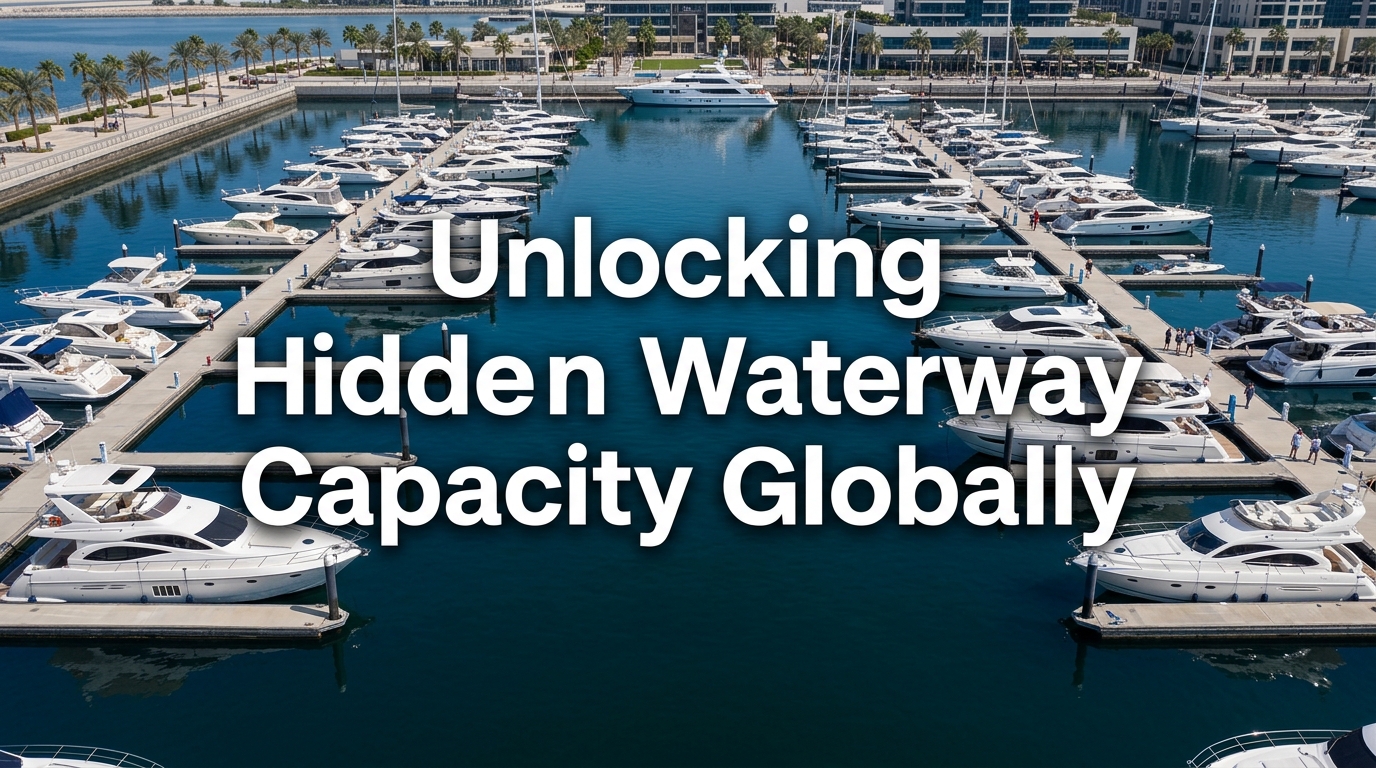
Faced with these physical limitations, forward-thinking operators are looking beyond their seawalls. A quiet revolution is taking place on our waterways, driven by the shared economy model that has already transformed industries like residential housing and urban transport. Across coastal suburbs and inland waterways, thousands of private docks, deepwater jetties, and swing moorings sit empty for long stretches of the year. When a waterfront property owner asks how they can safely rent my jetty, they are not just looking for a passive income stream; they are opening the door to a highly collaborative, hybrid model that can unlock massive capacity and drive significant marina revenue.
By unifying these private assets with commercial systems, regional operators can orchestrate a highly efficient, distributed network. This strategy addresses peak-season supply shortages, increases regional boating access, and builds a resilient, tech-driven waterway ecosystem that benefits boaters, private owners, and commercial operators alike.

Reimagining Waterway Capacity with Hybrid Networks
To understand the potential of a hybrid waterway network, we must first examine the limitations of traditional slip management. Most commercial marinas operate on a fixed-inventory model. Once their physical berths are fully leased or booked for transient stays, they must turn boaters away. This lack of flexibility is particularly costly during peak holiday weekends, major local regattas, and seasonal migrations, where a single marina operator might reject dozens of lucrative booking requests daily.
This is where a digital marina transformation changes the landscape. Instead of viewing nearby private docks, residential jetties, and independent swing moorings as competitors, progressive operators are beginning to view them as a flexible extension of their own inventory. By integrating these decentralized assets into a shared, real-time database, a marina can dynamically scale its capacity to match peak-season demand spikes.
This hybrid approach does not require pouring a single block of concrete. Instead, it relies on shared data and smart communication. When a nearby homeowner lists their private dock, that inventory becomes visible to a wider audience of boaters. By coordinating these listings through a unified platform, the commercial operator can capture transient overflow, direct traffic to safe local moorings, and maintain a seamless regional booking experience for boaters who would otherwise have been turned away.
The Economics of the Secondary Market: From Moorings to Private Jetties
Waterway assets come in many shapes and sizes, and each serves a different segment of the boating community. Understanding the nuances of these assets is critical for any operator or investor looking to build a unified regional network.
- Swing Moorings: Often situated in deeper water away from the immediate shoreline, swing moorings represent a highly cost-effective, low-impact storage solution. While they lack the immediate shore power and walk-on convenience of a wet slip, they are highly sought after by sailboat owners and budget-conscious cruisers. When an independent owner lists a mooring for sale or rent, they add crucial deepwater capacity to the local pool.
- Private Jetties and Residential Docks: These assets are highly coveted because they often sit in quiet, secure residential canals or protected bays. A private dock rental can offer deepwater access, privacy, and shelter from high winds, making it highly attractive to local boaters who live nearby but do not have direct water access.
- Commercial Marina Slips: These remain the premium standard, offering full amenities such as shore power, fresh water, blackwater pump-outs, 24/7 security, and direct access to marine services and hospitality venues.
By offering a marketplace that supports all three categories, a regional network ensures that boaters can always find an option that matches their vessel type, budget, and desired level of amenity. This diversity of choice keeps vessels active in the local area, which in turn stimulates local marine service providers, fuel docks, and waterfront businesses.
How "Rent My Jetty" Programs Expand Regional Marina Revenue
How does a commercial marina or yacht club benefit when local homeowners decide to rent my jetty? The answer lies in establishing a collaborative affiliate or management model. Instead of letting peer-to-peer rentals happen in an unregulated, fragmented market, professional operators can act as the central clearinghouse and service provider for these local private assets.
Under a managed hybrid model, a commercial marina can offer local private jetty owners a professional management package. The marina utilizes its established yacht club management expertise or digital platform to oversee the private listings. The marina handles the booking logistics, verifies the boater's insurance, collects payments securely, and coordinates arrival times. In return, the marina takes a percentage of the rental fee, creating an entirely new stream of marina revenue that carries virtually zero capital expense or physical maintenance overhead.
Furthermore, this relationship introduces private dock users to the marina’s paid onshore amenities. Boaters staying at a nearby private jetty can be offered temporary guest passes to the marina's clubhouse, pool, laundry facilities, and dining venues. They can also buy fuel, book pump-out services, and purchase marine supplies from the ship's store. By acting as the operational anchor for the entire bay, the commercial marina turns local private assets into valuable customer acquisition channels.
Overcoming Operational Hurdles with Smart Automation
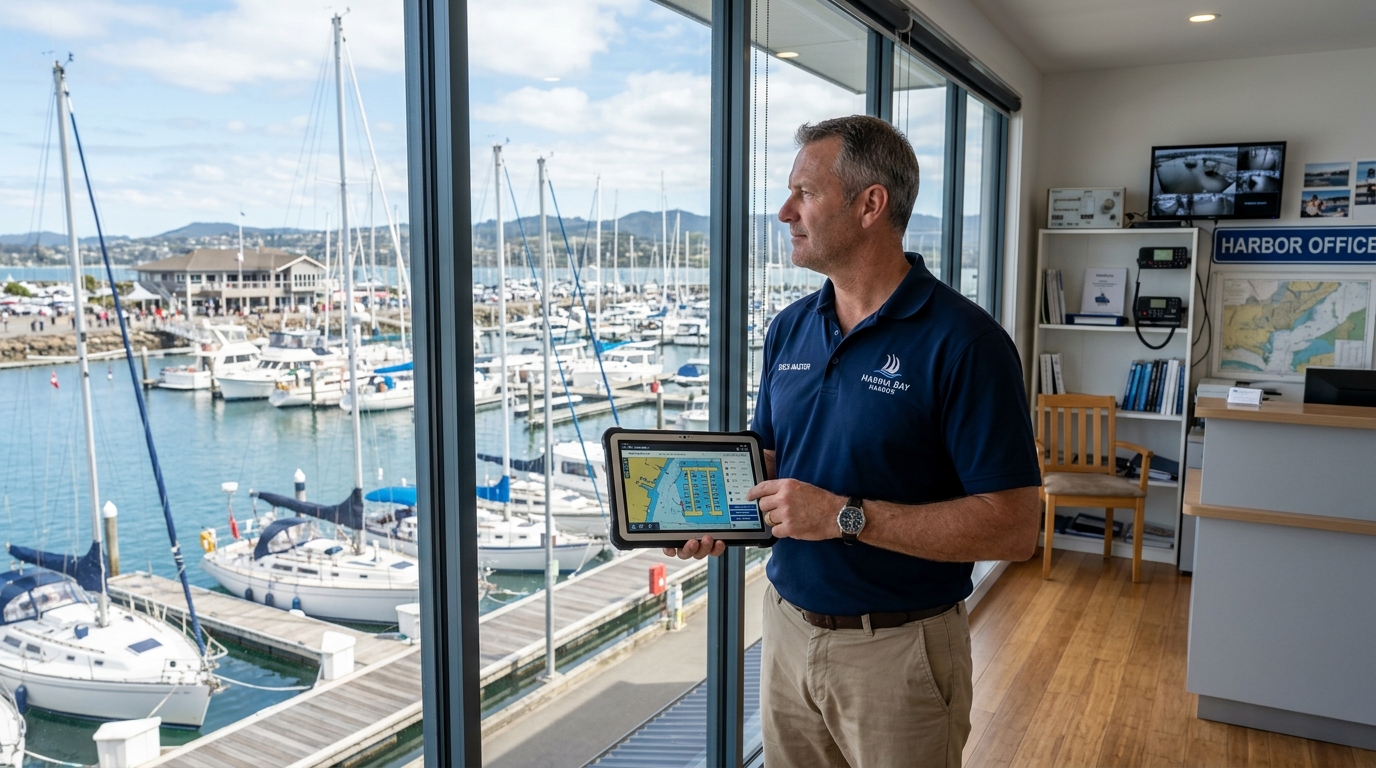
Managing a distributed network of private and commercial slips presents unique operational challenges. Unlike a centralized commercial basin where staff can physically walk down the docks to inspect a vessel, a private jetty might be located miles away down a winding canal. To make a hybrid network viable, operators and private owners must rely on modern marina automation and smart marina technology.
A modern online marina booking platform solves these coordination issues by serving as a single source of truth. Features like a Live Berth Availability map allow boaters to see exactly which docks are open, whether they are commercial slips, swing moorings, or private residential jetties. This transparency is critical for safe navigation and efficient trip planning.
For the operator or private owner, a dedicated Dock Master Dashboard provides real-time visibility over active bookings, vessel dimensions, and check-in schedules. This system ensures that a boat never arrives at a private dock that is too shallow for its draft or too short for its overall length. Secure payment processing, handled via integrated systems like Stripe secure payments, builds trust by ensuring that funds are held securely and released only when the reservation is successfully completed, protecting both the boater and the host from disputes.
Comparing Commercial, Private, and Swing Mooring Assets
To help operators and waterfront owners understand how these different options fit together, let us compare the typical characteristics of each asset class within a modern, connected waterway network:
- Commercial Marina Berths: High cost, premium amenities (shore power, water, pump-out), maximum security, highly active onsite management, ideal for transit boaters, large yachts, and those seeking convenience.
- Private Jetties and Docks: Moderate cost, variable amenities (often water, occasionally power, no public pump-out), high privacy and shelter, quiet residential settings, ideal for local boaters seeking long-term or secure seasonal staging.
- Swing Moorings: Low cost, basic amenities (vessel must be self-sufficient, tender required for shore access), moderate security, low management intensity, ideal for swing keel yachts, sailing vessels, and budget-conscious cruisers.
By presenting these options side-by-side within a unified regional marketplace, a connected network ensures that boaters can make informed choices based on their immediate operational needs, whether they are looking for a weekend berth booking near a city center or a long-term deepwater mooring in a quiet bay.
Navigating the Legal, Safety, and Insurance Landscape
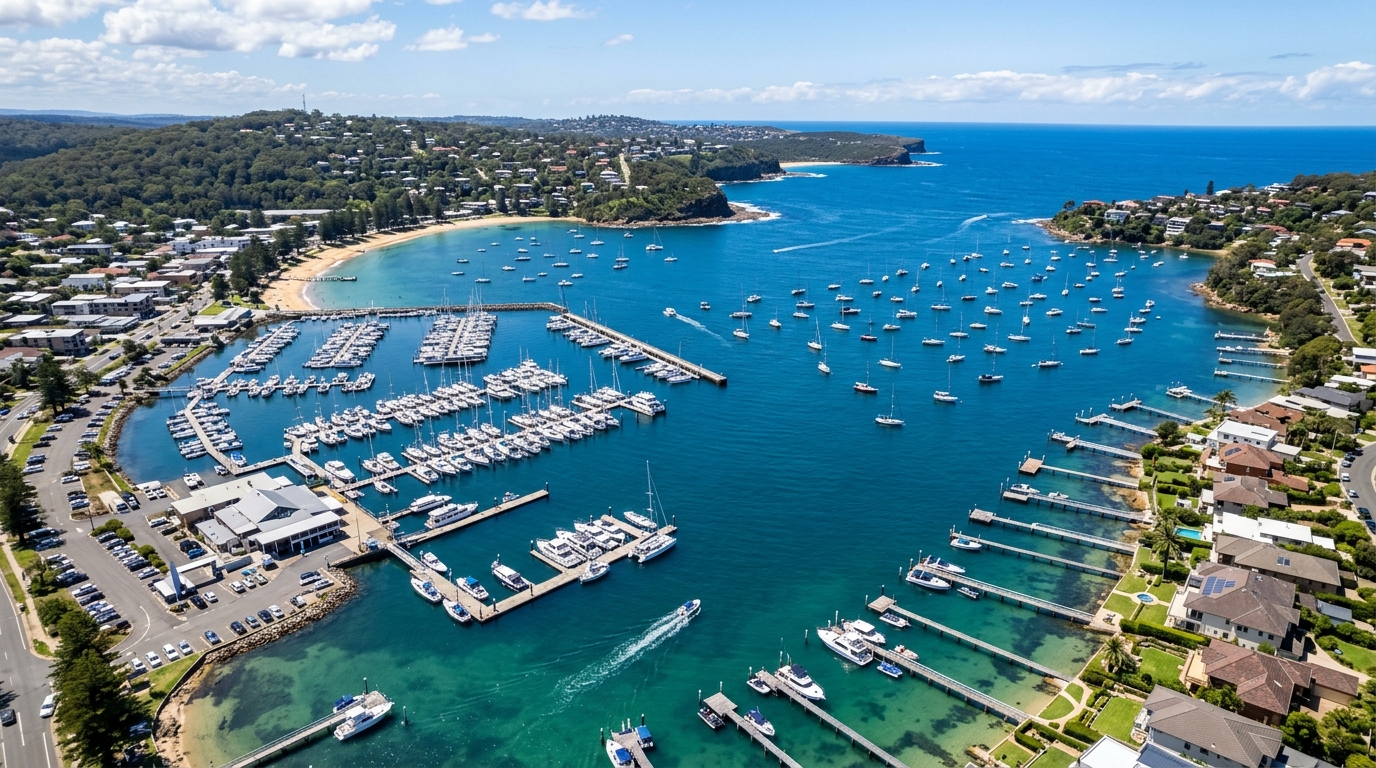
While the economic benefits of a hybrid marine network are clear, entering the shared-asset space requires careful attention to safety, liability, and local compliance. When a homeowner decides to list a private dock, or when an operator brokers a local swing mooring, several legal and operational baselines must be established.
First, vessel verification is paramount. Unlike commercial slips with dedicated dock staff, a private host cannot easily monitor a vessel's condition. A modern digital platform mitigates this risk by requiring boaters to upload valid comprehensive marine insurance, vessel registration, and safety certificates before a booking can be confirmed. This automated validation process protects private property owners from liability and ensures that only seaworthy vessels enter local waterways.
Second, clear terms of service must define access rights. Because private jetties are located on residential properties, the booking agreement must clearly outline rules regarding land-side access, noise levels, water and power usage, and guest conduct. By standardizing these agreements through a professional booking platform, operators can minimize friction and protect the peace and privacy of local waterfront neighborhoods.
Building a Connected Global Marina Network
The ultimate goal of integrating private jetties, swing moorings, and commercial slips is to build a truly connected global marina network. For too long, the maritime industry has operated in isolated silos, with individual facilities using fragmented systems or paper logbooks. This lack of connectivity creates immense friction for boaters who must navigate dozens of different booking processes, phone calls, and waitlists just to plan a coastal cruise.
By establishing a unified, AI-ready platform, Marina Match is building the digital infrastructure required to link these diverse assets into a single, cohesive ecosystem. Whether a boater is looking for a premium commercial slip at an elite yacht club, a quiet residential dock to carry out minor repairs, or a swing mooring to wait out a change in the weather, they can find, book, and pay for their stay through a single, intuitive interface.
For commercial operators, this connected model opens up highly efficient channels for growth, allowing them to expand their market reach, capture new service-based revenue, and optimize local waterway utility without expensive capital projects. For private property owners, it provides a safe, trusted, and fully automated way to monetize their waterfront investments with complete peace of mind.
Key Takeaways for Waterfront Operators and Owners
The transition toward hybrid, smart marine networks is no longer a future concept—it is actively shaping how modern waterways are managed. By embracing this collaborative model, stakeholders across the industry can capture substantial benefits:
- For Marina Operators: You can drive substantial new marina revenue and capture local overflow capacity by managing private assets as an extension of your physical footprint.
- For Private Property Owners: You can safely list your dock, knowing that automated verification, secure payments, and professional management networks make it simple and safe to share your asset.
- For Boaters: You gain access to a vastly expanded, transparent inventory of safe dockage options, backed by real-time availability and seamless online booking.
As waterway congestion grows and environmental regulations tighten, the marinas that thrive will be those that view their local waterway as a unified, connected ecosystem. By leveraging the power of smart automation, shared data, and hybrid marketplaces, we can maximize the potential of our coastlines and ensure a more accessible, sustainable future for boaters everywhere. Whether you are a private waterfront owner looking to safely rent my jetty, or an ambitious operator ready to optimize your regional presence, the digital infrastructure is ready to help you navigate this transition with ease.
Frequently Asked Questions
How can a commercial marina safely manage external private jetty listings?
Marinas can act as local management agents. By utilizing a central digital platform, the marina can handle the marketing, booking, insurance verification, and billing on behalf of the private owner. The marina takes a management fee or commission, while offering the visiting boater access to the marina's physical fuel docks, pump-out stations, and dining facilities, boosting overall revenue.
What safety checks are required before a private jetty can be rented?
A responsible platform requires boaters to submit up-to-date vessel registration, dimensions, draft requirements, and comprehensive marine liability insurance. Additionally, the platform provides hosts with structured profiles to clearly state maximum length, width, depth, and dock-side rules before any booking is finalized.
How does listing local swing moorings help with peak-season marina occupancy?
When a commercial marina is at 100% occupancy, having verified swing moorings available in the local bay allows the operator to still accept bookings. Boaters can secure a safe mooring close to the marina and use their tender or a marina water-taxi service to access onshore amenities, ensuring the marina does not lose valuable customer traffic.
Can private dock owners use Stripe secure payments for booking fees?
Yes. Modern marine marketplaces integrate secure global payment gateways like Stripe. This ensures that all financial transactions are encrypted, booking funds are held securely until the reservation begins, and payouts are deposited directly into the host's bank account automatically, eliminating payment disputes.
What is the difference between a mooring for sale and a leasehold slip?
A mooring for sale typically refers to the physical anchoring apparatus or the specific designated coordinate space in a waterway, which may be privately owned or held under a long-term government license. A leasehold slip is a commercial wet berth within a marina basin, leased for a set number of years, often offering premium utilities and full marina services.
Does listing a private jetty affect a homeowner's residential insurance?
Homeowners should always consult their personal property insurance provider before participating in dock rentals. Many choose to work through professional platforms because the platform's terms require the visiting boater's comprehensive marine liability insurance to act as the primary coverage for any vessel-related incidents while moored at the private dock.
Do you run a marina or own a berth?
Reach boat owners searching for berths. Listing is free.
Recent Blogs
October 9, 2026
Expanding Access: Why a Marina Network Matters Today
October 7, 2026
Leveraging Shared Assets: Rent My Jetty to Boost Revenue
October 3, 2026
Managing Swing Moorings with Smart Marina Software