Vessel Telemetry: Unifying Smart Marina Management with Boat Automation
The recreational boating industry is in the middle of a massive technological shift. Modern vessels are no longer just mechanical boats; they are floating networks of complex telemetry, advanced sensor arrays, and onboard computers. From self-docking yacht systems to satellite-enabled route planning, technology has dramatically changed how captains interact with their vessels. Yet, for many years, the shore-side operations managing these vessels remained stuck in the past, relying on disjointed spreadsheets, physical logbooks, and outdated legacy software.
This disconnect creates friction. When an advanced yacht equipped with next-generation navigation systems approaches a harbor still operating on manual processes, efficiency is lost. True modernization requires a bridge between shore-side management and vessel-side technology. By implementing smart marina management systems that naturally integrate with marina ERP platforms, Boat Automation, and Digital Navigation systems, marina operators can streamline their logistics, capture new revenue, and deliver a seamless experience to today's tech-savvy boaters.
The Evolution of Marina ERP and Vessel Communication
Historically, enterprise resource planning (ERP) software was reserved for heavy manufacturing and large-scale logistics. Today, the modern marina ERP has redefined how a complex waterfront operates. For a forward-thinking marina operator, a specialized ERP acts as the nervous system of the entire waterfront property, connecting dry stack storage, wet slips, retail, fuel docks, and hospitality services into a single operational view.
When a marina business links its core ERP with vessel-side technology, operations shift from reactive to proactive. Instead of waiting for a boater to hail the harbor office on VHF radio, an integrated ERP can communicate with the vessel via cloud networks. It can automatically process contracts, check credit terms, verify insurance documents, and assign slips before the vessel even crosses the breakwater. This level of automation reduces the administrative burden on dock masters, allowing them to focus on physical safety and high-touch customer service.
Furthermore, this integrated approach extends to specialized facilities. For example, a modern dry storage marina can sync its automated forklift launch queues directly with the ERP system. Boaters can request a launch through a mobile app, which immediately schedules the lift, bills the account, and alerts the dock crew, ensuring the boat is in the water and ready when the owner arrives.
How Digital Navigation Drives Real-Time Berth Allocation
Modern vessel captains rely heavily on advanced Digital Navigation tools to plot courses, monitor weather patterns, and estimate arrival times. However, these systems have historically operated in isolation from the marinas that captains intend to visit. By connecting onboard navigation telemetry with shore-side reservation engines, the industry is unlocking unprecedented logistical efficiency.
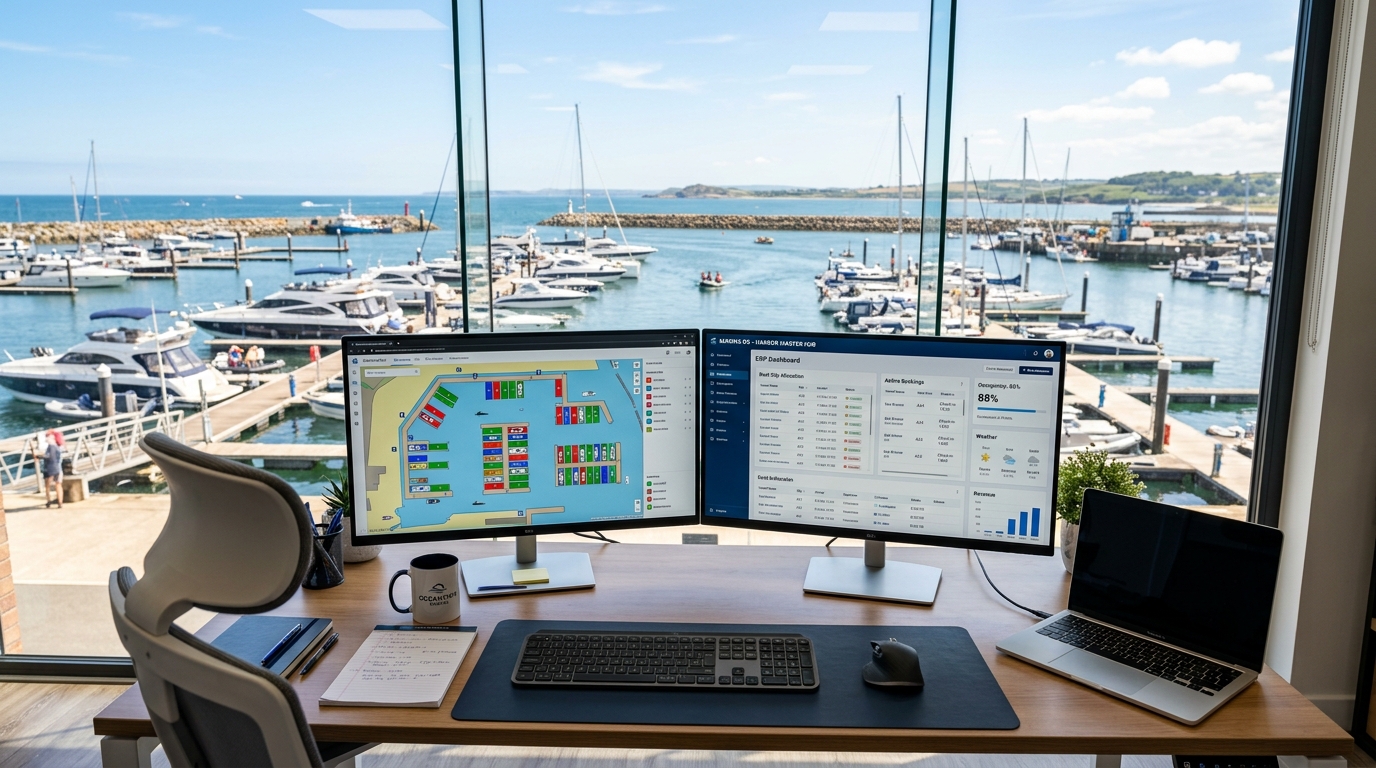
When a vessel shares its real-time GPS telemetry and estimated time of arrival (ETA) with a marina, the booking platform can adjust berth allocations dynamically. If a vessel is delayed by rough weather or head-winds, the smart reservation platform updates the harbor map in real time. This ensures that transient slips are not left empty due to scheduling uncertainty, helping to maximize both marina occupancy and marina revenue.
This seamless integration transforms the traditional reservation process. Rather than calling multiple harbors to find a slip, boaters can utilize an online marina booking platform that displays live berth availability. The platform can cross-reference the vessel's physical dimensions (length, beam, draft) pulled straight from its digital profile with available berths, ensuring a perfect physical fit and eliminating the risk of double-booking.
The Role of Smart Marina Management in the Age of Automated Vessels
As builders continue to roll out advanced features like joystick piloting and automated self-docking, the physical dock must become smarter to accommodate these changes. The true potential of smart marina management is realized when the shore-side infrastructure and the vessel communicate directly during the critical docking phase.
Using localized sensors, IoT-enabled utility pedestals, and smart docking systems, modern marinas can guide automated vessels safely into their slips. This connection minimizes the risk of collisions, reduces docking anxiety for inexperienced boaters, and optimizes slip utilization. Additionally, smart pedestals can automatically read water and electricity consumption the moment the vessel plugs in, sending the usage data straight to the central management software for automated, touchless billing.
This level of automation also unlocks new opportunities for private waterfront owners. Through a secure private dock rental marketplace, homeowners with private jetties can list their unused space on the same global network. By installing simple smart monitoring tools, these private owners can offer transient boaters secure, automated mooring options, generating passive income while expanding the overall capacity of the global marine ecosystem.
Unifying the Dock Master Dashboard with Onboard Telematics
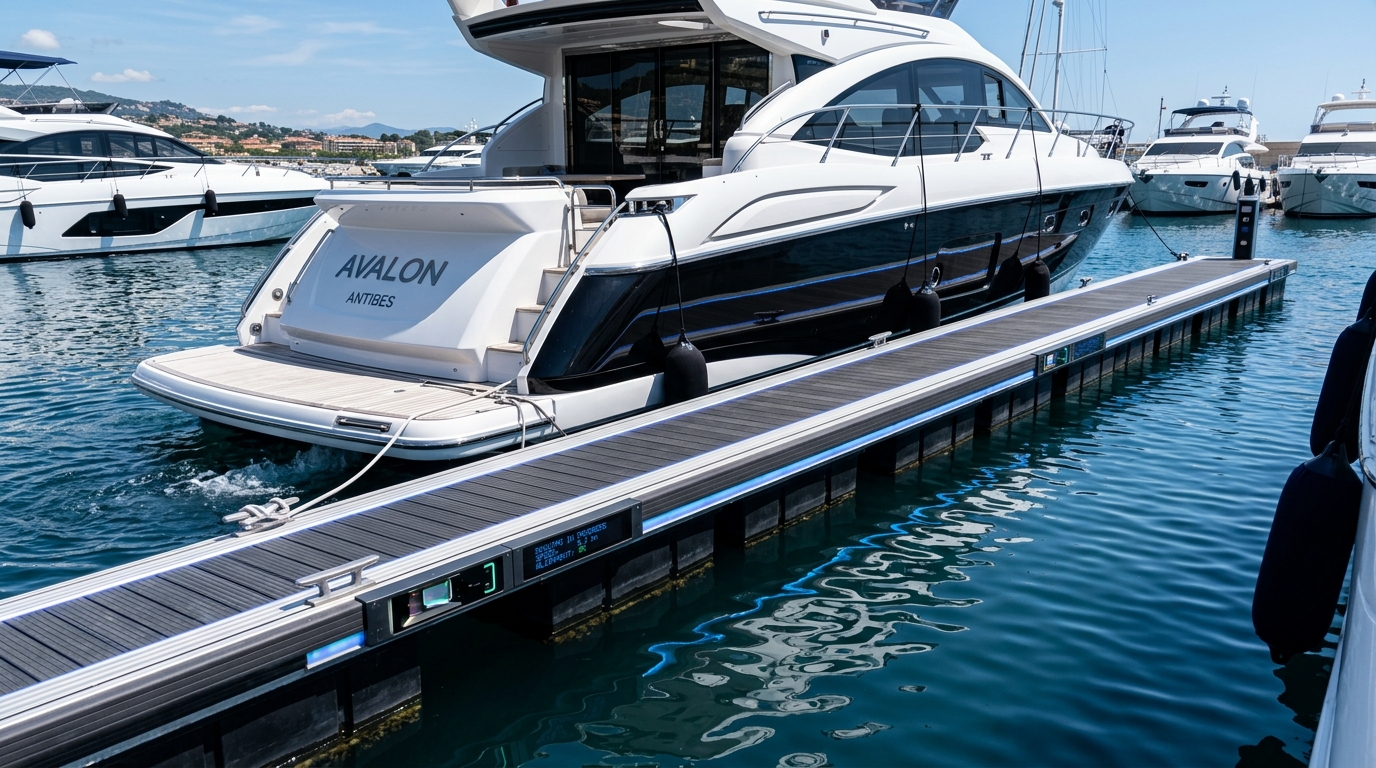
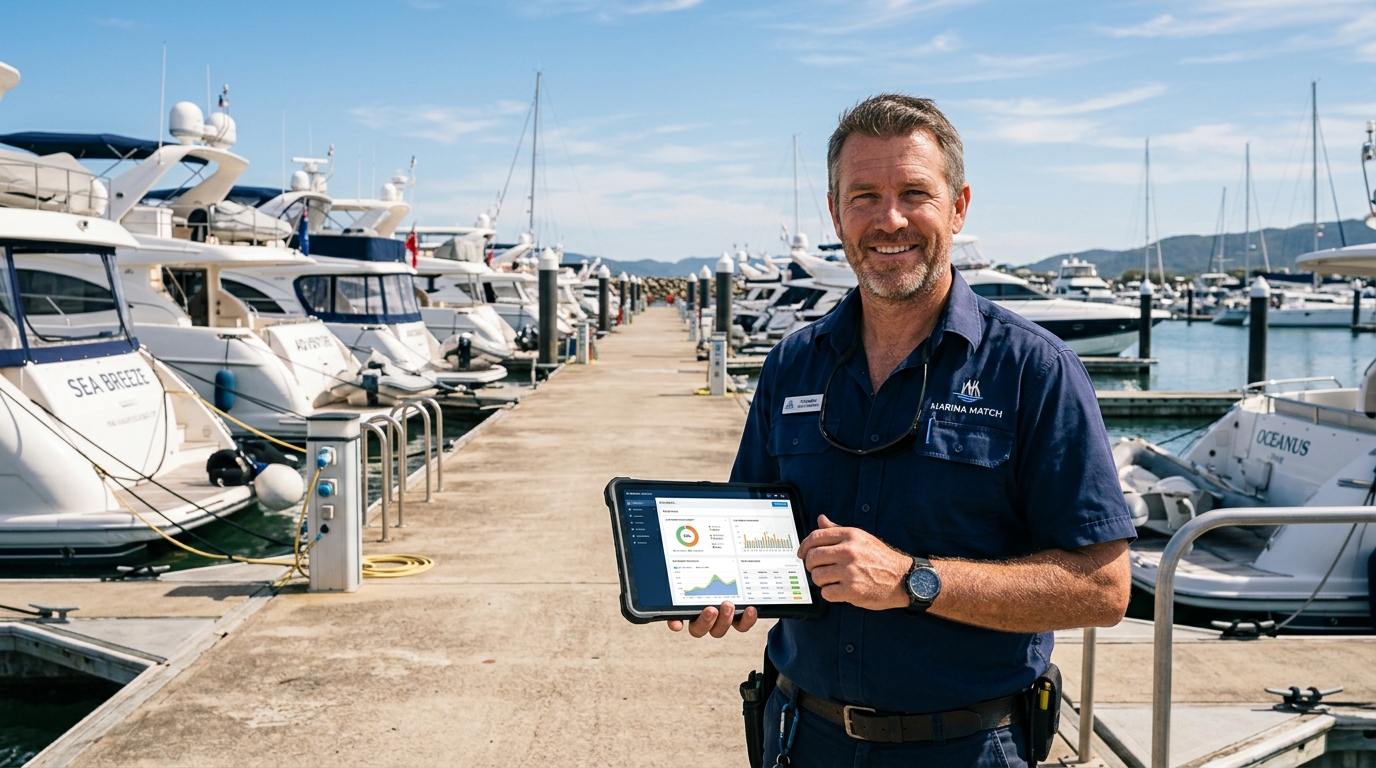
The core of a modern, automated waterfront is a unified control center. A comprehensive Dock Master Dashboard pulls together real-time data from incoming vessel telemetry, physical slip sensors, utility meters, and financial ledgers into a single, highly visual interface. This dashboard allows harbor managers to monitor the pulse of their waterfront at a glance.
Through real-time marina analytics, operators can identify historical occupancy trends, track utility consumption patterns, and predict future demand. If a sudden storm is forecasted, the system can automatically message all incoming vessels via their onboard communication systems to coordinate safe arrival windows, adjust slip assignments, and organize emergency waitlists.
For the boater, this digital transformation is experienced through a dedicated Boater Dashboard. From this interface, they can manage their slip reservations, view real-time weather at the marina, monitor their onboard power usage, settle invoices securely via Stripe, and communicate directly with dock staff. By removing physical paperwork and manual check-ins, the marina experience becomes completely frictionless, keeping boaters on the water longer and driving long-term customer loyalty.
A Practical Migration Blueprint for Modern Waterfronts
Transitioning from manual workflows or fragmented legacy software to a modern, integrated ecosystem requires a structured, deliberate approach. Marina operators do not need to overhaul their entire physical infrastructure overnight. Instead, they can follow a phased migration path to build a highly connected, scalable operation.
- Phase 1: Centralize Data with Modern Software. Consolidate your reservation, billing, and customer databases into a single, cloud-based management platform. This replaces scattered spreadsheets and ensures a single source of truth for your entire operation.
- Phase 2: Enable Online Bookings and Portals. Launch a self-service boater portal to allow for online reservations, automated waitlist management, and secure digital payments, immediately reducing administrative overhead.
- Phase 3: Integrate IoT and Telemetry. Install smart utility pedestals, dock sensors, or digital security gates that feed real-time usage and access data directly back to your central management dashboard.
- Phase 4: Connect to the Global Network. List your wet slips, dry storage options, and transient berths on a global marketplace to connect with boaters worldwide and dynamically optimize your yield.
To help visualize this transition, consider the operational differences between legacy workflows and an integrated, modern smart marina approach:
| Operational Focus | Legacy Marina Workflows | Modern Smart Marina Management |
|---|---|---|
| Reservations | Manual phone calls, emails, paper logs | Instant online booking, real-time map view |
| Billing & Payments | Manual invoicing, physical card swipes | Automated billing, secure Stripe integration |
| Berth Allocation | Estimated guessing, risk of double-booking | AI-ready dynamic slip matching, live availability |
| Utility Tracking | Manual meter readings at the end of the month | Real-time IoT monitoring, instant billing updates |
| Vessel Communication | VHF radio communication near the breakwater | Cloud telemetry, ETA tracking, digital notifications |
Frequently Asked Questions
What is a marina ERP, and how does it differ from simple reservation software?
A marina ERP (Enterprise Resource Planning) is an all-in-one software platform that manages every aspect of a marina business, including slip reservations, dry stack logistics, financial accounting, inventory tracking, fuel dock operations, and point-of-sale retail. Simple reservation software only handles bookings, whereas an ERP unifies all business units into a single system.
How does Boat Automation assist with docking?
Boat automation features like dynamic positioning, joystick piloting, and automated self-docking use onboard sensors, cameras, and GPS data to safely steer a vessel into a slip with minimal human intervention. When integrated with smart dock systems, the vessel can communicate directly with shore-side sensors to guide itself safely home.
Can private dock owners list their space on a smart marina network?
Yes. Platforms like Marina Match allow private jetty and dock owners to list their unused mooring space for rent or sale. This peer-to-peer marketplace increases available transient berths for boaters while allowing private property owners to safely monetize their waterfront assets.
How does digital navigation telemetry improve marina operations?
By sharing GPS and ETA data from a vessel's navigation system with a marina's management software, operators can dynamically adjust slip allocations. This minimizes empty slips, handles unexpected weather delays automatically, and ensures that staff are ready on the dock precisely when a vessel arrives.
What are the benefits of automated waitlists for busy marinas?
Automated waitlists eliminate manual queue management. When a slip becomes vacant due to a cancellation, the system instantly identifies the next eligible boat based on physical dimensions and arrival preferences, sends an automated booking offer, and updates the marina map without requiring manual office administration.
Connecting Shore and Sea with Marina Match
The future of the marine industry relies on connection. As recreational vessels become highly advanced, digital machines, the marinas that host them must keep pace. Integrating core marina ERP systems with vessel-side telemetry, Boat Automation, and Digital Navigation systems is no longer a futuristic concept—it is a practical necessity for operators who want to protect their margins, optimize space, and deliver the premium experiences modern boaters expect.
By unifying these technologies, a marina operator can move away from tedious admin tasks and focus on what truly matters: providing safe, welcoming, and world-class waterfront hospitality. Whether you manage a large commercial harbor, a historic yacht club, a busy dry stack facility, or a single private jetty, adopting a smart marina management approach is the key to unlocking the true potential of your waterfront assets.
Marina Match is building the digital infrastructure to connect boaters, private dock owners, and commercial operators into a unified global marine network. With features like real-time interactive marina maps, intelligent dock master dashboards, automated waitlists, and secure payment processing, Marina Match makes it simple to future-proof your waterfront. Ready to transform your operations? Explore Marina Match today and discover how easy smart waterfront management can be.
Do you run a marina or own a berth?
Reach boat owners searching for berths. Listing is free.
Recent Blogs
October 9, 2026
Expanding Access: Why a Marina Network Matters Today
October 7, 2026
Leveraging Shared Assets: Rent My Jetty to Boost Revenue
October 3, 2026
Managing Swing Moorings with Smart Marina Software