Managing Swing Moorings with Smart Marina Software
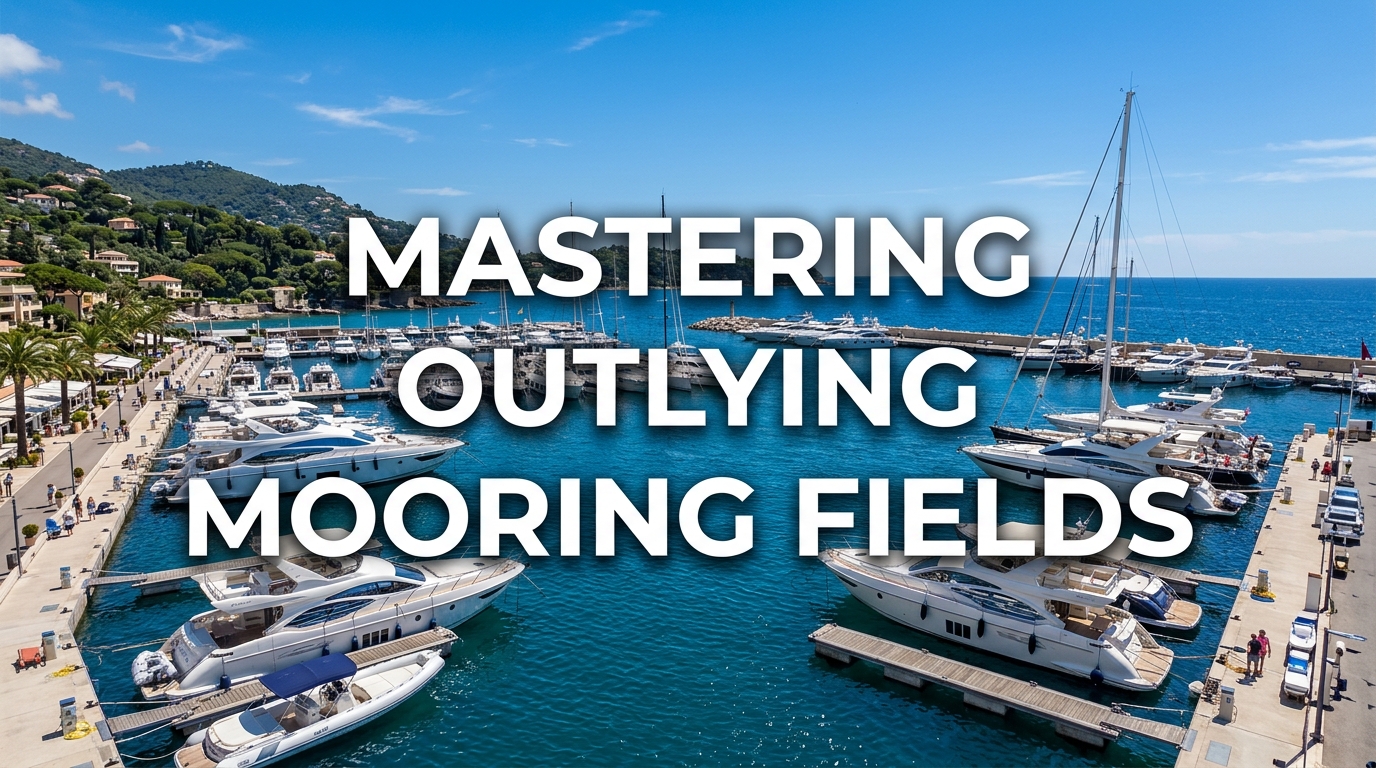
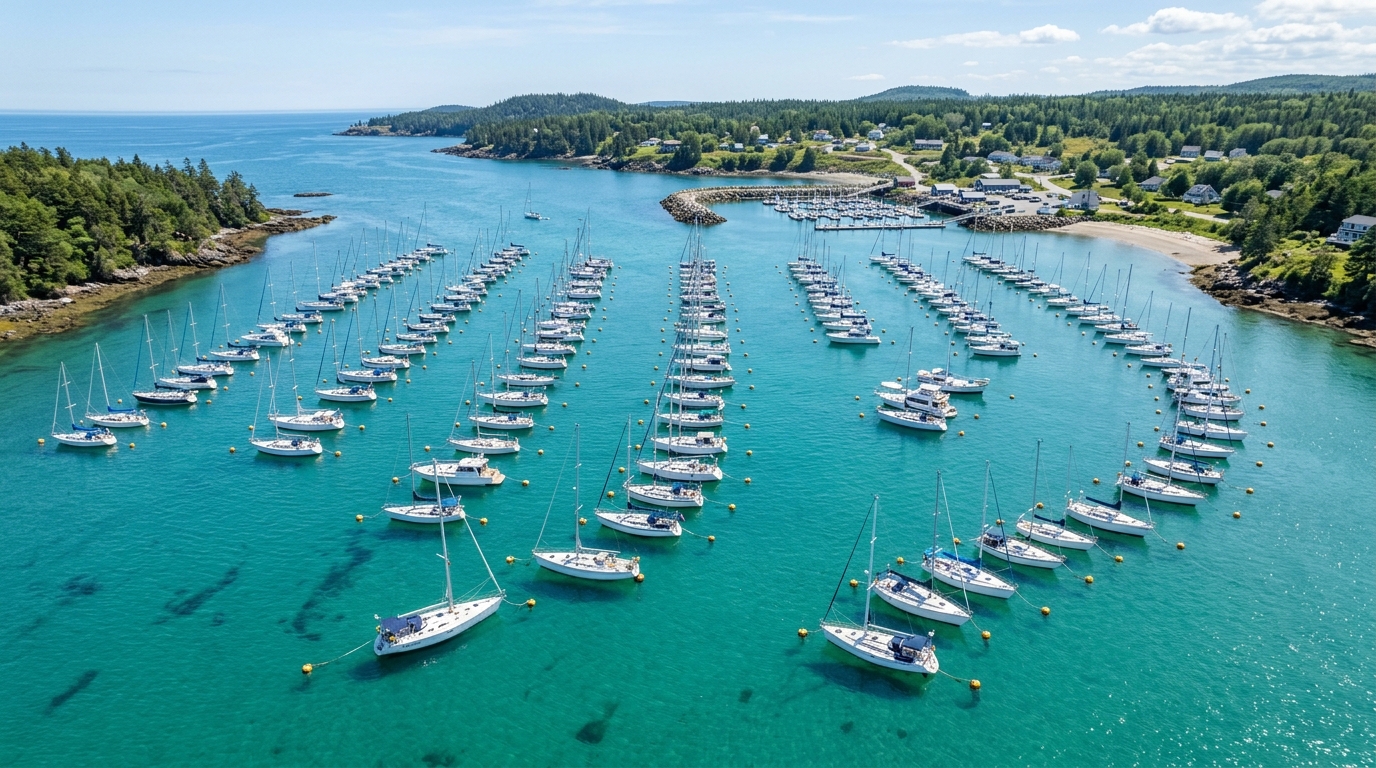
Managing a bustling waterfront involves juggling a multitude of moving parts. For a typical marina operator, daily focus is naturally directed toward the main docks where shore power hums, finger piers are secured, and fuel docks require constant supervision. However, many marine facilities, yacht clubs, and public harbors control valuable assets that lie far beyond the reach of their physical walkways: outlying swing moorings, deep-water anchoring fields, and detached tie-up piles. These outlying assets represent an incredible opportunity for supplemental revenue and flexible guest accommodation, but they are historically difficult to coordinate. Without physical gates, shore power pedestals, or landlines, monitoring a distant mooring field has traditionally required manual inspection trips on a chase boat, leaving massive room for missed bookings, unauthorized tie-ups, and lost income. To bridge the gap between dry land and deep water, forward-thinking operators are turning to modern smart marina software. By digitizing the management of every outlying mooring, harbor masters can maintain complete visibility, protect their infrastructure, and capture valuable transient revenue.
Why Outlying Fields Need Dedicated Smart Marina Software
Managing a physical swing mooring is fundamentally different from assigning a slip on an A-dock. Slipping a boat involves fixed dimensions, predictable depths, and immediate access to staff. A outlying mooring, on the other hand, presents unique environmental and operational challenges that complicate standard docking procedures. First, swing radius and scope are highly dynamic. Vessels of different lengths and displacements require varying swing circles depending on wind direction and tidal flow. A heavy-displacement yacht will react differently to a midnight squall than a light-displacement cruising catamaran. Second, tackle weight limits must be strictly respected. Each mooring anchor, swivel, and chain assembly has a rated maximum load. Overloading a light mooring with a heavy motor yacht during a storm can lead to catastrophic ground tackle failure, drag-outs, and liability issues. Third, the lack of physical security on open water invites unauthorized use. Because these locations are physically isolated, unauthorized vessels can easily tie up undetected, creating safety risks and depriving the facility of income. Finally, maintenance tracking is an ongoing battle. Mooring tackle degrades quickly in saltwater. Keeping up with annual or bi-annual physical dive inspections is vital for liability protection, but tracking these schedules manually is highly prone to error. Without a dedicated system, these critical variables are often tracked on a fading whiteboard in the harbor office. By implementing smart marina software, these parameters are integrated into a single database, allowing operators to match incoming vessels with the exact physical specifications of each mooring site.
Transforming Visibility with a Live Dock Master Dashboard
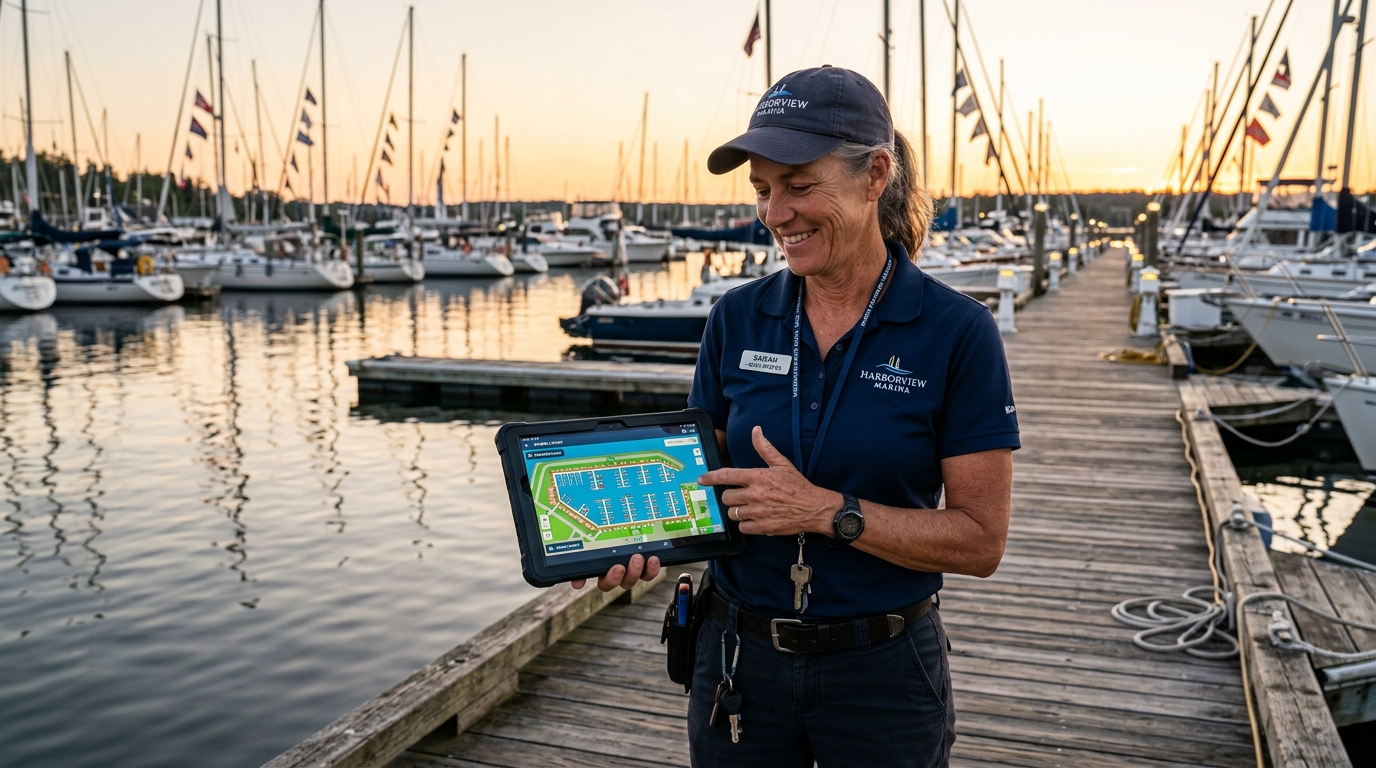
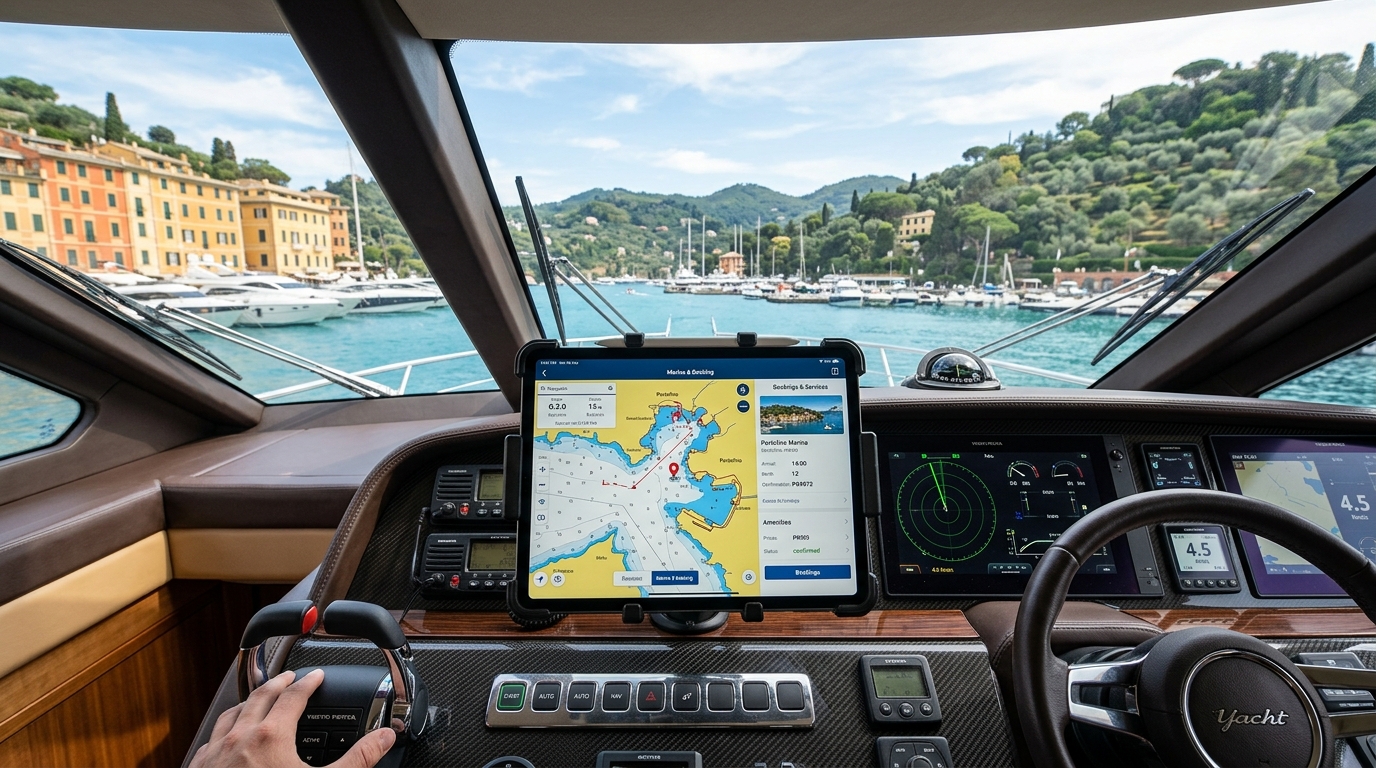
The cornerstone of modern harbor operations is real-time visualization. When managing distant mooring fields, a cloud-based dock master dashboard acts as an eye in the sky. Instead of relying on written lists or radio check-ins, a modern platform provides an interactive, GPS-mapped view of the entire harbor. Each outlying mooring is represented as an interactive node on a map, color-coded by its current status: occupied, reserved, vacant, or temporarily out of service for maintenance. When a boat crew requests a reservation, the system automatically cross-references the vessel’s length, beam, draft, and weight against the physical capacity of the swing moorings. This ensures that a deep-draft sailboat is never allocated to a shallow-water mooring close to shore, and a heavy motor yacht is never assigned to light-duty tackle. Furthermore, staff can access this dashboard on any mobile device. A dock hand patrolling the harbor in a utility boat can update berth availability on the spot, noting unauthorized vessels or marking a mooring as needing maintenance the moment they spot a worn mooring buoy or chafed pendant. This seamless loop between the water and the office eliminates administrative leaks and ensures safety protocols are upheld in real time.
Designing the Seamless Boater Experience with a Marina Booking Platform
For transient boaters, navigating an unfamiliar harbor after a long passage is highly stressful. They want to secure safe holding quickly without having to hail the harbor office repeatedly over a noisy VHF radio channel. Integrating your assets with a modern marina booking platform allows boaters to view real-time availability from their onboard devices before they even enter the bay. This self-service model streamlines operations for both the traveler and the harbor staff. Boaters can reserve their mooring, sign safety waivers, upload registration documents, and pay securely via integrated payment gateways like Stripe. Once a booking is confirmed, the system sends digital arrival notes, including the precise GPS coordinates of the assigned mooring buoy, instructions on how to secure the lines, and local amenities. If bad weather rolls in, a boater can request an extension directly through their boater dashboard, which automatically updates the master schedule and manages the automated waitlist if other vessels are queueing. By lowering the barrier to booking, a marina operator can turn empty water into a high-occupancy asset, capturing revenue from cruisers who might otherwise have chosen to anchor elsewhere.
The Intelligence Edge: Implementing AI Marina Software
As marine technology evolves, the integration of artificial intelligence is set to optimize complex waterfront logistics even further. While traditional software relies on manual inputs, future-ready AI marina software acts as an active operational assistant. Consider the daily challenge of optimizing a swing basin during a busy weekend. A smart algorithm can analyze real-time marine weather forecasts, local tide tables, and incoming vessel profiles to predict potential safety hazards. For instance, if a northeast gale is predicted for Sunday afternoon, the AI can scan active bookings and automatically flag any heavy vessels assigned to moorings that are highly exposed to northeastern swell, suggesting alternative inner berths. Additionally, AI-driven scheduling can run predictive modeling to balance wear and tear across your physical assets. By rotationally assigning vessels to different moorings, the software prevents a few easily accessible buoys from taking all the structural strain, extending the operational life of your expensive ground tackle. This level of predictive management helps marina managers shift from reactive firefighting to proactive, data-driven stewardship.
Supporting Yacht Clubs, Private Jetties, and Shared Waterfront Spaces
The benefits of digitizing water assets extend far beyond commercial mega-marinas. Community-focused entities and private landowners also stand to benefit significantly from adopting smart marine systems. Many yacht clubs operate extensive mooring fields for their members alongside a few transient berths for visiting racers. Implementing dedicated yacht club software that interfaces with a smart marina network allows clubs to easily partition their assets. Members can log in to view their designated moorings, while the club administrator can temporarily release vacant member spaces to transient visitors, boosting club revenue without inconveniencing regular members. For waterfront property owners with a private jetty, a deep-water mooring, or a private dock, these assets often sit empty for months of the year. Through a trusted marina marketplace, these private owners can list their space with a simple click. The “rent my marina berth” feature enables individuals to offer safe, secure moorings to verified boaters in compliance with local waterway guidelines, turning underutilized private property into a reliable source of passive income while relieving pressure on crowded public harbors.
Comparing Traditional Mooring Management with Smart Systems
To understand the practical impact of upgrading your operational workflow, let us compare the old way of managing outlying water assets with the benefits of a modern digital ecosystem.
- Traditional Status Tracking: Relies on paper logs, memory, or physical whiteboards. High risk of double-booking or leaving assets empty due to lack of real-time communication.
- Smart Mooring Tracking: Real-time, color-coded visual map updated automatically via a cloud-based dashboard accessible from any phone or tablet.
- Traditional Boater Communication: Handled entirely over VHF radio or phone calls, consuming significant staff time during peak hours and raising the risk of misheard coordinates.
- Smart Boater Communication: Self-service reservations, automated arrival emails with GPS links, SMS updates, and digital check-ins.
- Traditional Safety Compliance: Relies on manual safety checks and hand-written logs of mooring weight ratings and boat displacements.
- Smart Safety Compliance: Automatic validation rules matching vessel length, draft, and displacement with mooring tackle capabilities.
- Traditional Revenue Capture: High rate of missed payments from unauthorized vessels tying up overnight without registering or paying.
- Smart Revenue Capture: Secure online pre-payments, digital self-registration, and automated billing workflows that capture every night of occupancy.
Practical Steps for Upgrading Your Outlying Mooring Operations
If you are ready to transition your facility away from manual methods, here is a practical framework to begin. First, compile a complete database of every mooring buoy, swing tackle, and slip. Record GPS coordinates, maximum weight ratings, depth at low tide, and the date of the last professional dive inspection. Next, select an open, scalable smart marina software platform that combines a visual map with intuitive booking tools. The platform should be accessible to boaters and easy for your dock staff to operate on mobile devices. Once selected, import your assets and set visual rules, programming safety limits into the software to prevent the system from allowing bookings that exceed weight or draft parameters. Finally, empower your community by sharing the booking link with local yachting groups, publishing it on your website, and listing your transient berths on a global marina marketplace to maximize your visibility.
Frequently Asked Questions
How does smart marina software track moorings that have no internet connection?
Because physical moorings lack Wi-Fi or shore power, the software uses cloud-based GPS mapping. Dock masters update the status of each GPS-tagged buoy via mobile devices during harbor patrols, while boaters check in and out digitally. This updates the database instantly without requiring physical sensors on the mooring itself.
Can we restrict booking access based on weather conditions?
Yes. Advanced platforms allow operators to temporarily lock out specific outlying moorings or swing basins during predicted high-wind events or storms, preventing boaters from booking exposed spots and automatically prompting them to book sheltered inner berths instead.
How do yacht clubs handle member-only moorings versus public rentals?
Modern software allows you to set custom access permissions. Member-only moorings can be hidden from the public map and reserved exclusively for club members, while designated transient moorings remain open for public booking to generate external revenue.
What happens if a boat overstays their booking on a mooring?
The system sends automated checkout reminders to the boater’s phone. If they do not check out, the dock master dashboard flags the late departure, allowing the harbor patrol to contact the vessel or apply overstay fees automatically through the integrated payment system.
Is it difficult to migrate from a paper-based whiteboard system to digital software?
Not at all. Modern platforms are designed for quick onboarding. You can upload your mooring coordinates, assign weight limits, and go live within a few days, with intuitive visual dashboards that require minimal staff training.
Embracing the Connected Waterway
The future of the marine industry lies in connectivity. As boaters demand seamless digital experiences and marina operators face rising operational costs, the traditional, siloed approach to harbor management is no longer sustainable. Outlying moorings and swing basins should not be treated as “out of sight, out of mind” assets. By adopting modern smart marina software, harbor managers can unify their entire waterfront footprint, bringing remote mooring fields into the same structured, revenue-generating ecosystem as their premium slips. Platforms like Marina Match are building the infrastructure for this connected global network, helping you streamline logistics, secure your income, and provide boaters with the safe, modern experience they expect. Take control of your outlying assets today and discover how easy managing your entire waterfront can be.
Do you run a marina or own a berth?
Reach boat owners searching for berths. Listing is free.
Recent Blogs
October 9, 2026
Expanding Access: Why a Marina Network Matters Today
October 7, 2026
Leveraging Shared Assets: Rent My Jetty to Boost Revenue
October 3, 2026
Managing Swing Moorings with Smart Marina Software